DD
MM
YYYY

PAGES

DD
MM
YYYY

spot_img

PAGES

Home Blog Page 7389

Why OPEC Cannot Help Nigeria: In 10 Years, OPEC May Not Exist

0

The Organization of the Petroleum Exporting Countries, OPEC, is  becoming increasingly irrelevant. And it is asking America for help.

The unusual plea was issued Thursday in the cartel’s closely-watched monthly report, which found that global markets are still suffering from too much supply. The report noted that balancing the market would “require the collective efforts of all oil producers” and should be done “not only for the benefit of the individual countries, but also for the general prosperity of the world economy.”

Producer in particular is to blame: The U.S., where shale producers have continued to ramp up their drilling despite lower crude prices. The increased production has undermined OPEC’s efforts to keep prices between $50 and $60 per barrel.

OPEC and allied producers agreed in November to slash production, a move designed to rid global markets of excess supply. For a while, the strategy appeared to be working, with prices drifting north of $54 earlier this year. Now, the magic appears to be wearing off.

The cartel has responded to the sharp decline in prices by suggesting that the agreement could be extended far beyond its original mid-year deadline. But that won’t help OPEC solve its American problem. The U.S. did not join its agreement, and the number of rigs in operation there has doubled over the past year.

So in practice, OPEC needs U.S. to get prices high. That will not happen because cartel is not allowed in U.S. laws.


Nigeria Needs Technology and not OPEC

Within 10 years, there may not be OPEC as it will be highly irrelevant. That means Nigeria cannot count on OPEC to boost revenue. Now is the time to redesign the economy with technology and knowledge.
Is Your Website At Risk Of Facebook Ban? Find Out What To Do

0

Facebook wants to make its ecosystem cleaner with lesser irrelevant contents showing on people’s feeds. The social media giant said on Wednesday that it was making changes designed to keep its users from linking to “low-quality” websites, part of an effort to fight spam and misinformation.

The world’s biggest social network said it is updating its ranking algorithm with the help of artificial intelligence so users would see fewer posts “that link to these low-quality web page experiences.”

“With this update, we reviewed hundreds of thousands of web pages linked to/from Facebook to identify those that contain little substantive content and have a large number of disruptive, shocking or malicious ads,” a Facebook blog post said.

“If we determine a post might link to these types of low-quality web pages, it may show up lower in people’s feeds and may not be eligible to be an ad,” the blog post from researchers Jiun-Ren Lin and Shengbo Guo said.“This way people can see fewer misleading posts and more informative posts.”


The social network with nearly two billion users worldwide also recently stepped up its security to counter efforts by governments and others to spread misinformation or manipulate discussions for political reasons.

It is becoming increasingly important that people will realize that content is king. That means to stay and be relevant in Facebook, one has to make a great content so that the social media company does not issue the hammer of a ban.

WEMA Bank Introduces ALAT Digital Bank To Nigerian Market

1

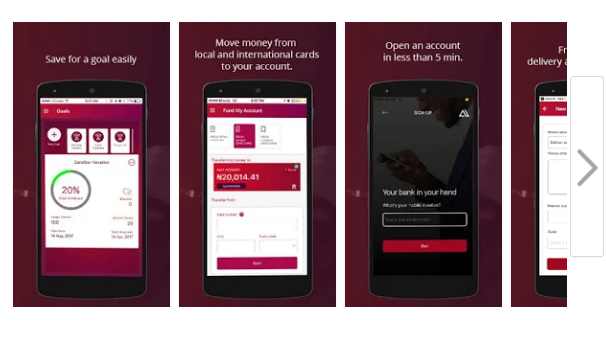
WEMA Bank, on Tuesday, said it is re-positioning with a new digital agenda, as it launched an innovative banking solutions named ‘ALAT’, which it claimed would make it the first fully digital bank in Nigeria.

The Managing Director of Wema Bank, Segun Oloketuyi, while unveiling ALAT, said with the solution the bank targets growing its customer base from 1.5 million to 3 million, and revenue from the present N54.25 billion to N200 billion by 2020.

ALAT, according to Oloketuyi, is a digital bank where customers can do their banking transactions without ever entering any physical branch. According to him, Wema is committed to satisfying its present and prospective customers by offering them an optimal banking experience through innovative digital technology.

“ALAT is the bank for the future and it redefines the seamless relationship we have with our customers. This is an offering to the young professionals, entrepreneurs and students who are tech savvy and always on the move. It is an opportunity to integrate banking into their lifestyle without hassles, by offering them real value, as they desire,” he said.

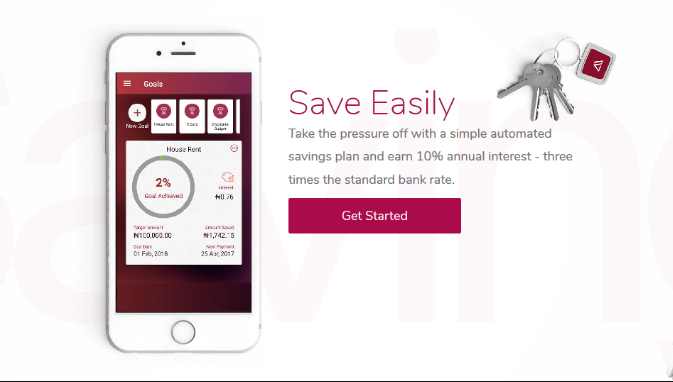
ALAT will be accessed via app and web, which is targeting all existing and prospective customers who are tech-savvy and upwardly mobile and it is an app-only, no-physical-contact bank. You can download it here.


Intel Feels Heat As Toyota Selects Nvidia Drive PX AI Automotive Platform

0

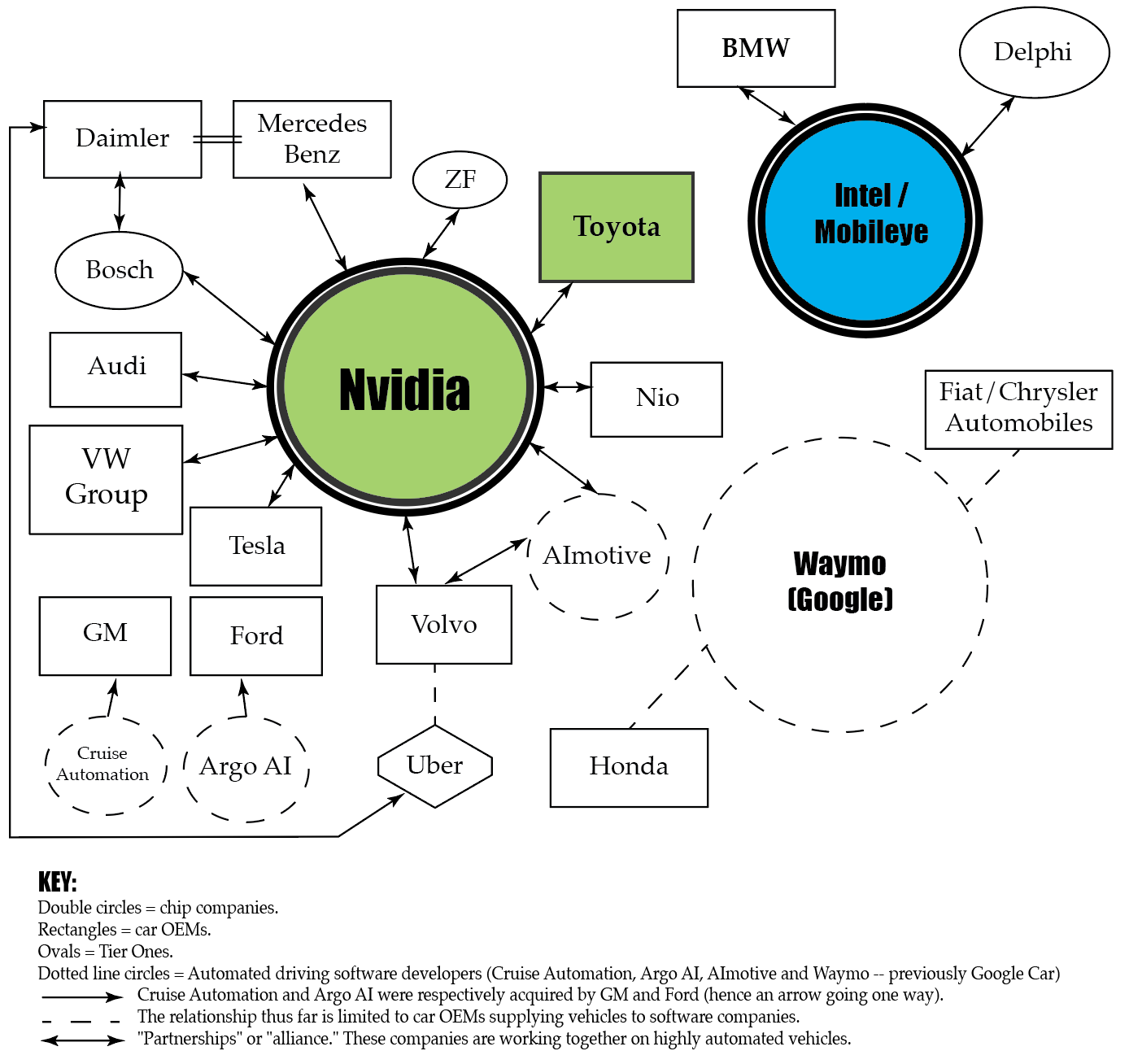
The competition is coming from all angles for Intel Corp. Nvidia revealed Wednesday at its GPU Technology Conference that Toyota will use Nvidia’s Drive PX AI automotive platform to power advanced autonomous driving systems planned for market introduction.

In the brewing battle between Nvidia’s AI car computing platform and an Intel-Mobileye platform, Nvidia now appears to be building momentum.

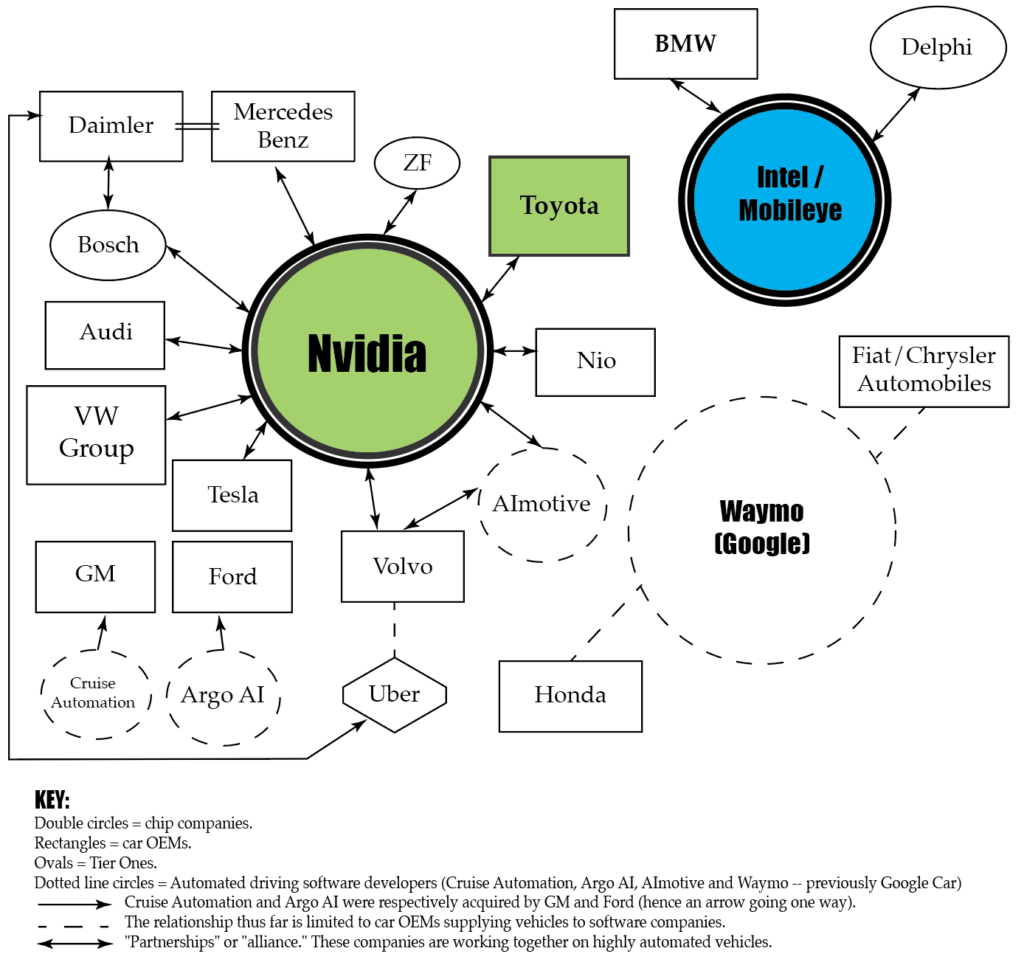
According to Egil Juliussen, director research, Infotainment & ADAS at IHS Automotive, Toyota has become the fourth major car OEM publicly committed to Nvidia’s Drive PX for their highly automated vehicle. The other three OEMs are Audi, Daimler, and VW Group.

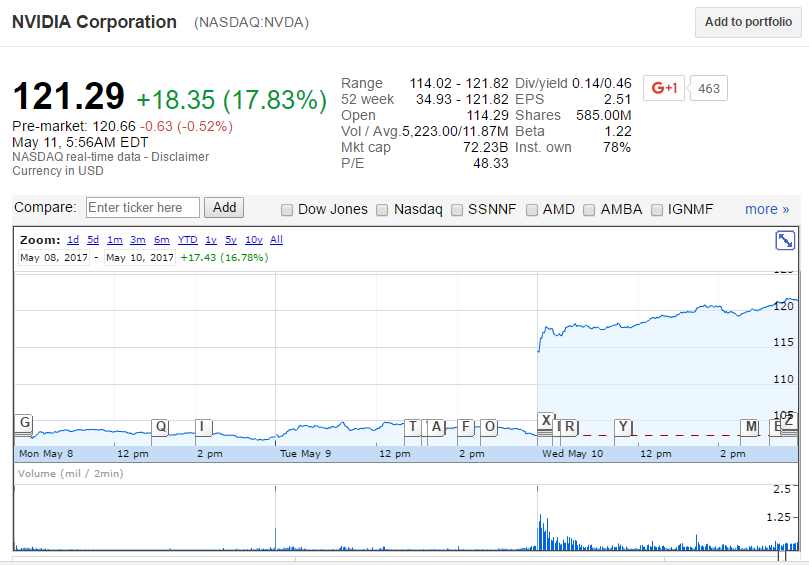
Wall Street likes the news and Nvidia stock is doing very well, jumping 17% after hours. The company also delivered a solid quarterly earning.


Access Bank Will Now Charge $20 Monthly Maintenance Fee on Dollar USD Debit Card

0

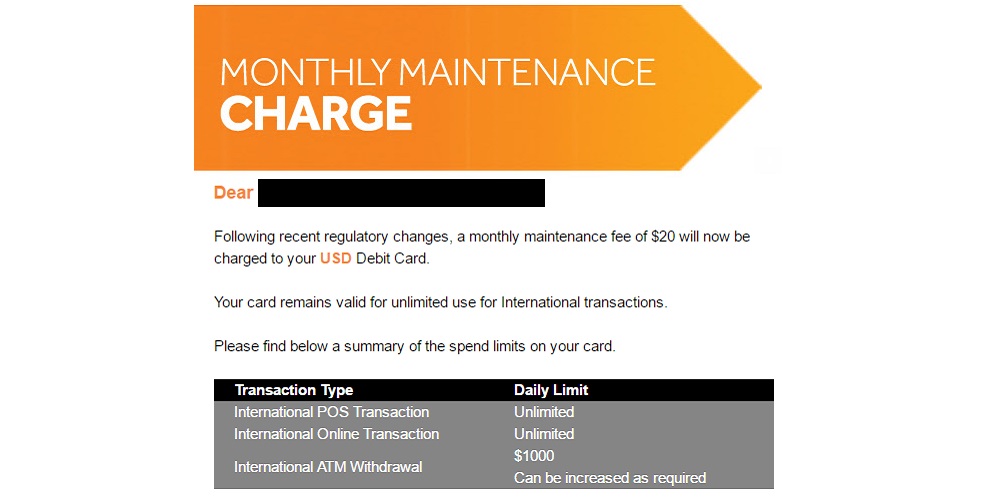
Nigeria is always an enigma as things move forward and then quickly move many steps backward. A recent Central Bank of Nigeria directive increased ATM maintenance fees from N100 to N600. Naturally, one expects the banks to respond accordingly by increasing fees to customers. Access Bank has drawn the first sword.

Access Bank communicated to its customers that it has introduced a monthly maintenance fee of $20 on dollar-denominated debit cards:; “Following recent regulatory changes, a monthly maintenance fee of $20 will now be charged to your USD Debit Card”.