In this videocast, I discuss the 30th year anniversary, in my opinion, of the beginning of modern entrepreneurship in Nigeria. The supporting article is here.


In this videocast, I discuss the 30th year anniversary, in my opinion, of the beginning of modern entrepreneurship in Nigeria. The supporting article is here.

I am a student of Nigerian (business) history especially in the years 1986-1992. That period, in my opinion, represents an era of immersive entrepreneurship. Some of our finest companies were started during that period. If not for the great recession, which resulted to the failure of many banks, the impact of this era would be more evident today.
Under the military rule of former President Ibrahim Babangida (IBB), Nigeria made many policy moves, starting in 1986. The impact is huge – between 1987 and 1992, some of the finest (old) technology and (modern) financial institutions in Nigeria were founded. In my analyses, I have zero’d in on Second-Tier Foreign Exchange Market (SFEM) which made it possible for banks to make huge profits on foreign currency transfer/trading, as catalytic.
SFEM brought alternative foreign exchange which made dealing on foreign currency very lucrative in banking. Before then, Naira was largely stable and there was no money to be made, except fees, on forex. The float on treasury transfers was marginal. But SFEM, changed Nigeria. It gave us bureau de change, making trading Naira a product of itself. Nigerian Naira is yet to recover from the impact.
SFEM was one of the policy recommendations of the IMF (and World Bank) which introduced the structural adjustment program. One of the goals was to open the private sector and subsequently diversify the economy.
In one way, the policies internationalized Nigeria despite making it possible for institutions to make so much money from government. It is arguable, that if Nigeria had eliminated corruption, we could have done better on the outcomes. Around 1989, IBB cracked another policy with profound impacts on finance. He made it possible that people could open Finance Houses withe ease. He waived most requirements. Most of those firms would later collapse and many people lost their investments in them. But the survived ones flourished and created a new class of super-rich Nigerians. The financial institutions including banks made money on forex with the alternative exchange where Nigeria maintained official and black market rates.
Simply, buy dollars from Central Bank of Nigeria (CBN) for say Nx; in the evening sell to traders at N(x+y) where y is your profit. You do this without any risk. With so much lapses, CBN transferred our commonwealth to banks and finance houses .
Today is July 1 2017 and it is the 30th year anniversary of the beginning of the era of immersive entrepreneurship in Nigeria. I have chosen July 1987 as the mid-time of that moment.
These are some samples of companies starred during this time. In short, the phrase “New Generation Banks”, came into the lexicon during that era.

Etisalat Nigeria is floating. It is like a bride that no one really wants in the middle of a wedding. The UAE investors abandoned it in the hour of need. Now, the Chairman of the company has resigned. Businessman Hakeem Bello-Osagie resigned from the Board earlier today. The non-executive Board members had already resigned from the fourth mobile operator few days ago.
But the company has to move forward. The firm had noted that it would move ahead to establish a new management and appoint a new board. The Chairman had left after the restructuring plan for the telecommunications firm was finalized. They have now a roadmap to execute, as it looks for ways, to manage the evolving crises in the firm. According to a statement, from Etisalat, all the important stakeholders had agreed on the plan.
The development reflects Mr. Bello-Osagie’s deep commitment to protecting the interest of all stakeholders. It is now expected that Etisalat Nigeria under its new shareholding structure will navigate through its current loan repayment challenge with minimum impact.
Over the last several months, the Chairman has worked extensively with critical stakeholders to prepare clearly articulated strategies and robust road maps that will mitigate the impact of the new shareholding restructuring and realignment on the operations and management of the 4th largest telecoms player in Nigeria,” the statement said.
Etisalat Nigeria owns consortium of banks more than $600 million on a $1.2 billion loan. The foreign currency denominated loan was to help Etisalat upgrade its infrastructure. Unfortunately, when Nigerian economy went into recession, its business struggled, and the situation worsened that it could not service its debts, since 2016. Cascading events led to the exit of its major shareholders, non-executive directors and today, the resignation of its Chairman, Hakeem Bello-Osagie.
This is going to be a challenging moment for the fourth mobile operator in Nigeria, despite a finalized restructuring plan. Here are options Etisalat Nigeria may consider as it works to manage this challenging moment in its history.
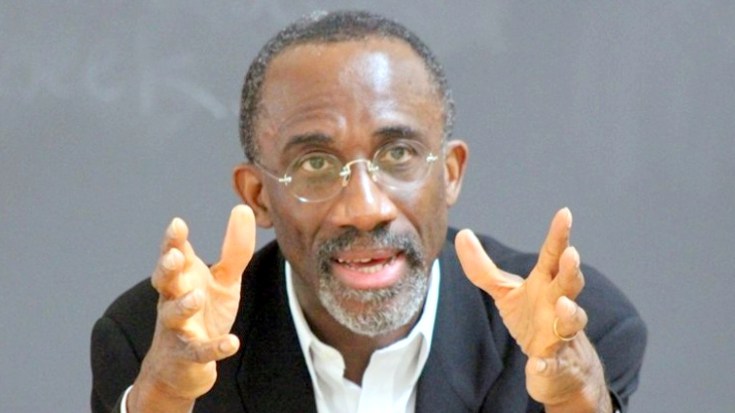
Hakeem Bello-Osagie, the Chairman of Etisalat Nigeria Limited, has resigned his position with the company which he was the promoter in Nigeria. This is a very unfortunate incident that can cripple finding a lasting solution in Etisalat. Few days ago, other non-executive directors of Etisalat Nigeria also resigned. The resignation of Mr Bello-Osagie completes the clean-up of the Etisalat Nigeria board.
The resignation takes immediate effect. A statement obtained by PREMIUM TIMES confirmed the development, saying the decision followed “the approval of a restructuring plan for the telecommunications firm.”
Mr. Bello-Osagie, the one-time Chairman of the United Bank for Africa, UBA, was the surviving shareholder in the embattled mobile operator currently embroiled in a $1.2 billion loan repayment crisis with a consortium of 13 Nigerian banks.
He was the promoter of Emerging Markets Telecommunications Services, EMTS, which controlled 15 per cent of the equity holding of the company
His resignation followed the withdrawal, two weeks ago, of the company’s major shareholder, Emirates Telecommunications Group Company, which announced the decision to quit effective June 15, 2017.
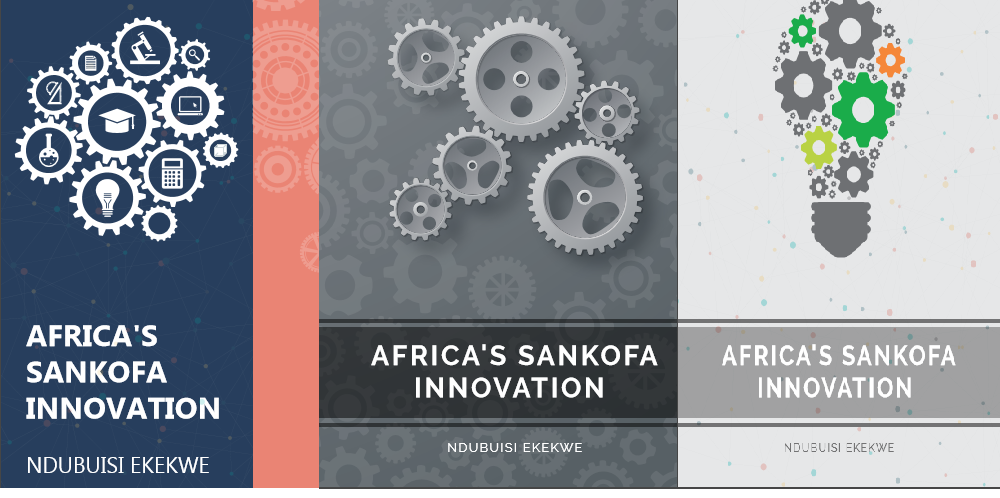
This is Ndubuisi Ekekwe who has a new book coming out in August 2017. All proceeds of the book will go to support workshops to be organized by the African Institution of Technology (a U.S. 501(c)3 non profit) to help deepen AI programs in selected African universities. AFRIT, the non-profit, has done similar workshops on electronics (photos) with positive reviews in more than 60 universities in Africa.
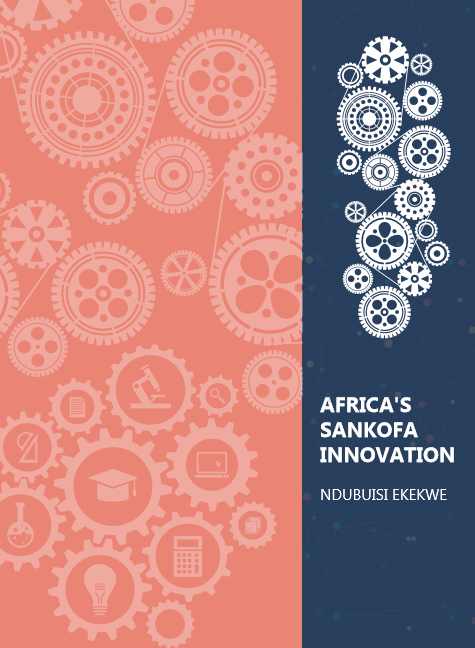
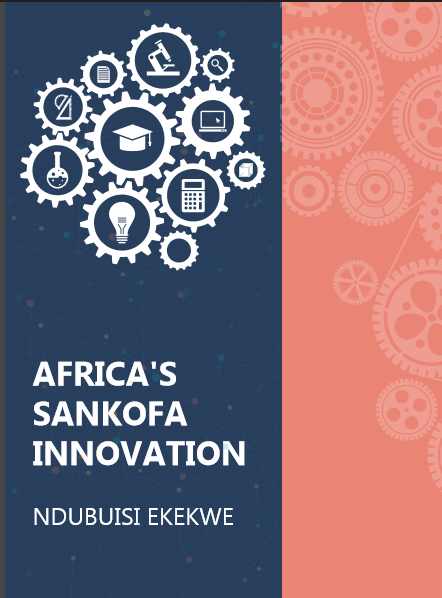
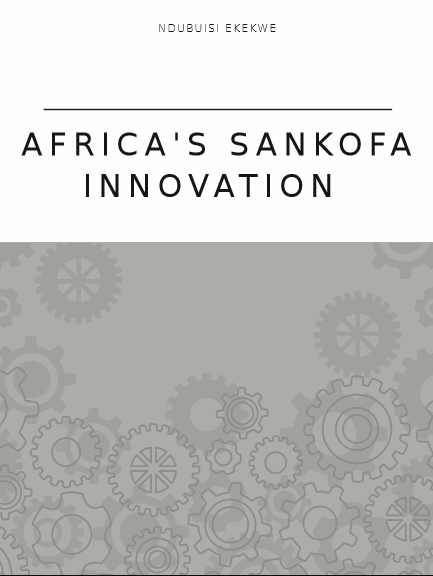
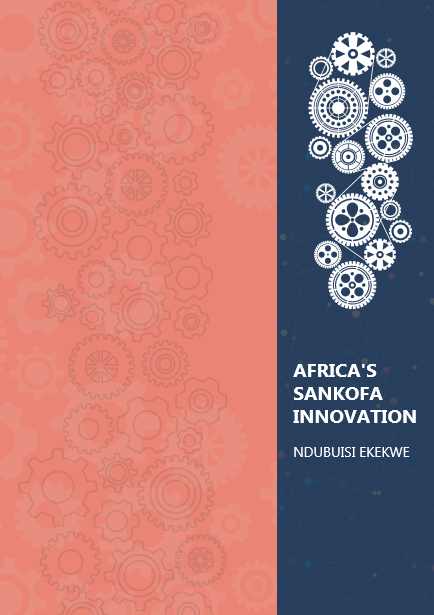
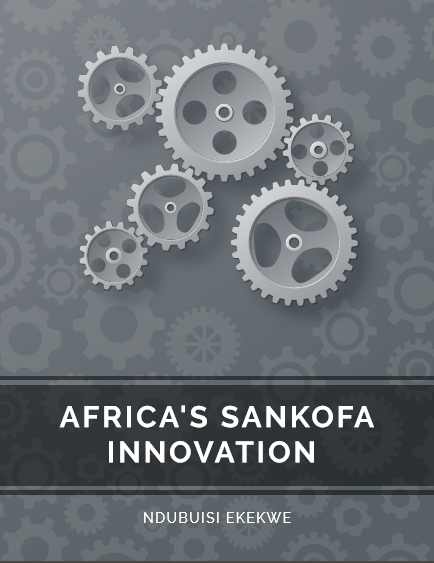
I need help in choosing the book cover. I presented to our graphic design team with A10 but they returned with these options. You can comment on my LinkedIn page if you prefer. Alternatively, even anonymous choice is fine below. Simply, I want you to give me the choice you think will do well (e.g. A8). Yes, do well on sales. The book is awesome and will be distributed at $10 subscription online here. Thanks, always.
NB: A has Africa’s Sankofa Innovation while B is Africa Sankofa Innovation. Please consider that if possible.
A1
A2
A3
A4
A5
A6

A7
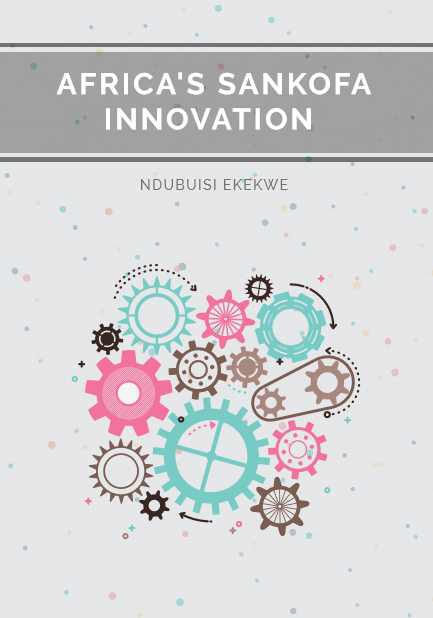
A8
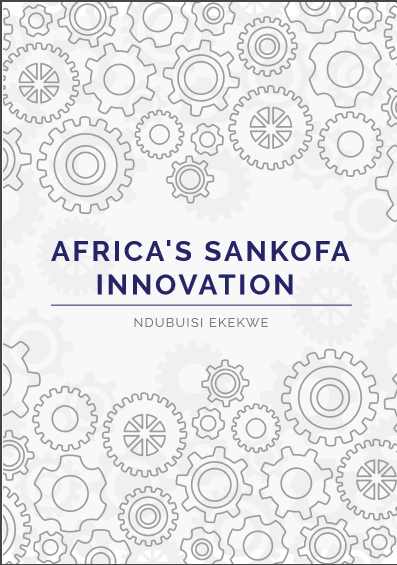
A9
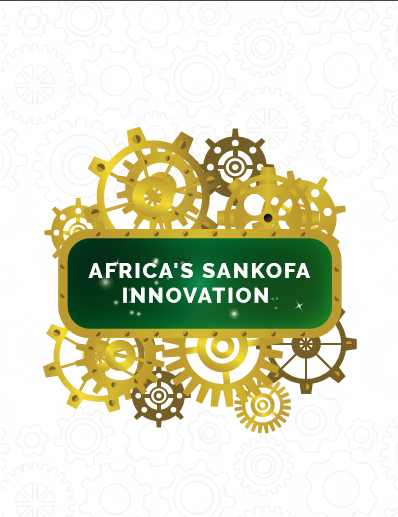
A10
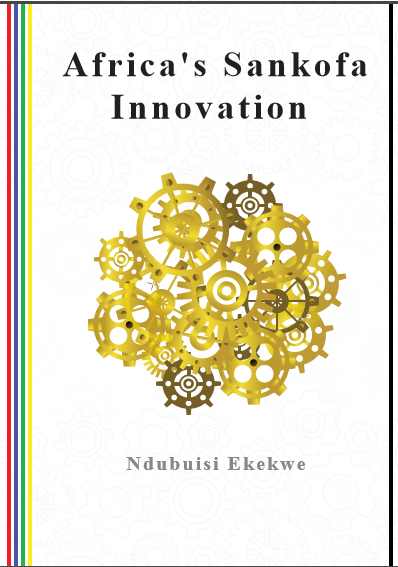
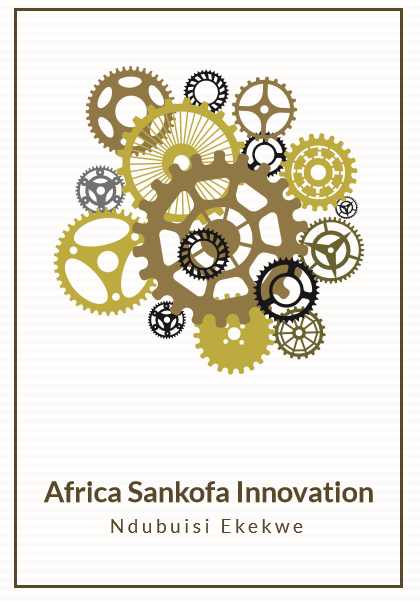
B1
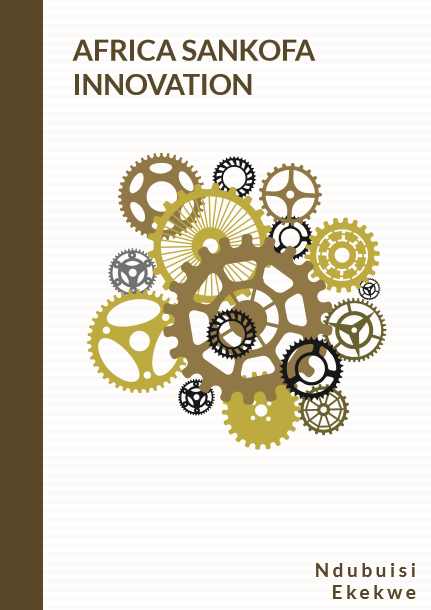
B2
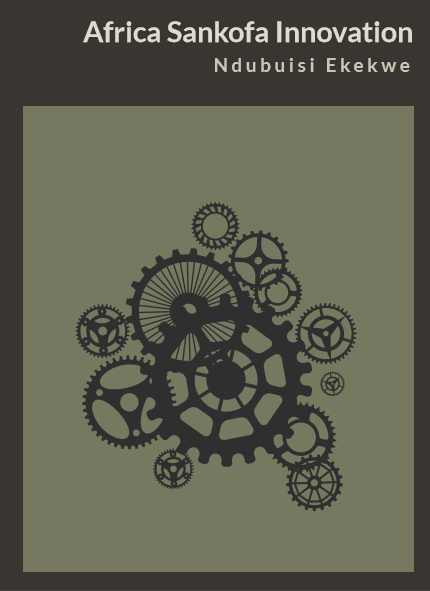
B3
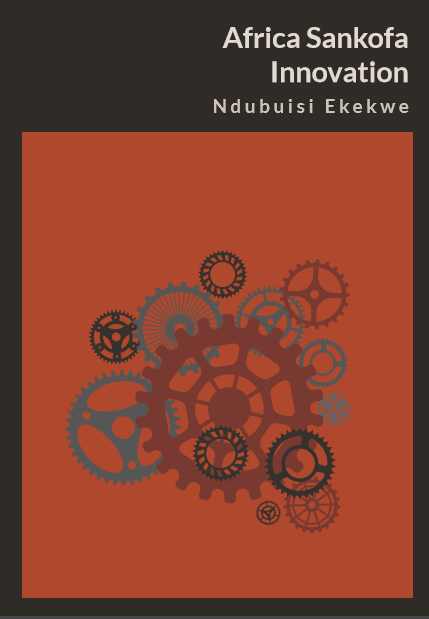
B4
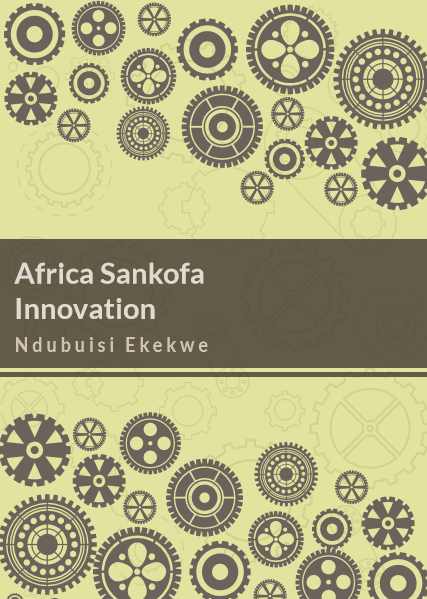
B5

B6
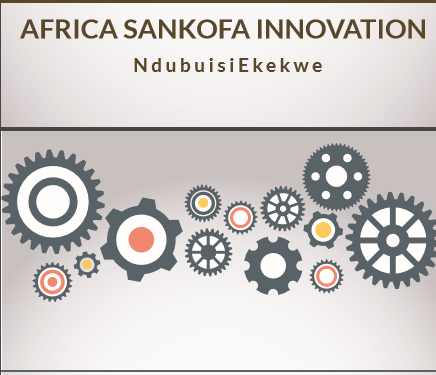
B7
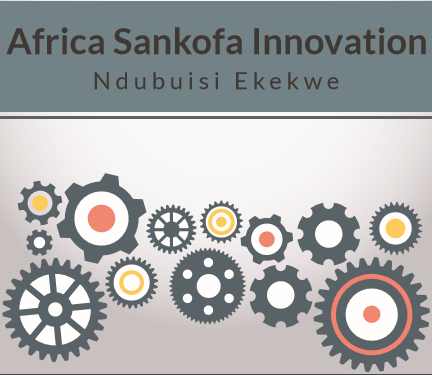
B8
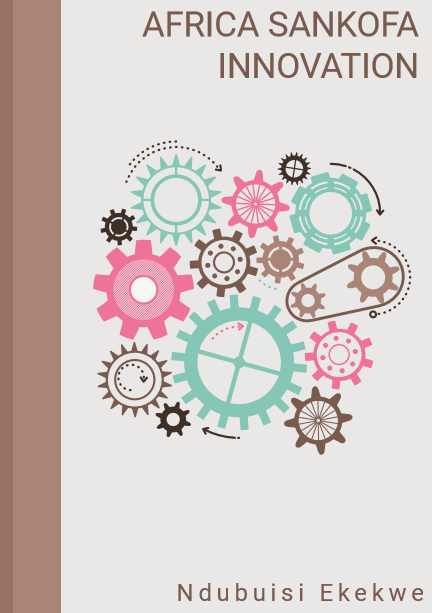
B9
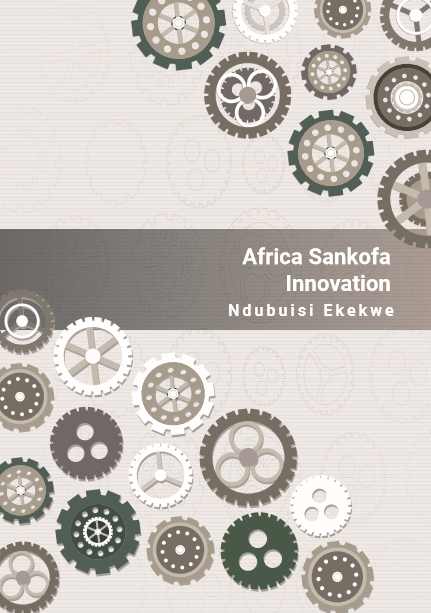
B10