DD
MM
YYYY

PAGES

DD
MM
YYYY

spot_img

PAGES

Home Blog Page 7626

The costs no bank can ask customers to cover and why they matter

0

The first wave of cost cutting at banks was straight-forward: layoffs, bonus reductions, curbing employee travel, renegotiating vendor contracts etc.. These days it’s increasingly difficult to find fat to trim! Brian Moynihan (CEO BoA) recently told investors that the bank spends “about $1 billion a year just moving cash around the bank”. A cost that is hard to get rid of.

Stiff costs go beyond employees. Each lost, stolen or corrupted debit or credit card costs 20 cents to replace, according to A.T. Kearney. Sending out paper checking account statements for one customer costs $9 a year. ATM maintenance runs $165 a month, according to Deloitte. And each new ATM costs $15,000 to $65,000, depending on how sophisticated the technology, says Diebold Inc (DBD.N), which sells the machines to banks and other businesses. Those costs may seem insubstantial, but with millions of customers and tens of thousands of ATMs, they add up.

It is looking like those little costs banks cannot ask customers to pay directly is adding up.

Goldman Sachs to compete with Lending Club on online lending

0

Goldman Sachs revealed on Tuesday’s earnings call that they have surveyed thousands of consumers on what they look for in an online lender, and that they plan to launch their own platform this fall. The platform will likely focus on unsecured loans and may compete directly with Lending Club.

And so here comes Goldman tiptoeing into the business with what Schwartz calls a “very deliberate and methodical approach” as LendingClub’s reputation lies in rubble — indeed with the reputation of the entire fintech marketplace-lending startup world still somewhat covered in its dust. Goldman has the experience and contacts to securitize consumer loans and sell them to investors if that’s the route it wants to take. And with 20,000 customers opening up new savings accounts on top of the $16 billion in deposits it acquired from General Electric’s online bank in the second quarter, Goldman theoretically should be able to fill in the gaps easily at times when investor demand gets skittish.

How Dollar Shave Club exit teaches entrepreneurs what matters in generating multiples of returns

0

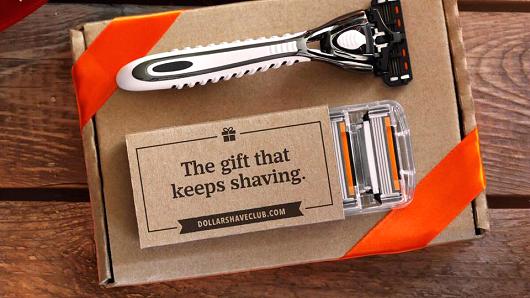
In a world with many “paper” unicorns but few actual unicorn exits, Unilever’s acquisition of Dollar Shave Club for $1b of cash is a huge win for venture investors.

In just five years, DSC captured 15% of the men’s razor cartridge market and achieved one of the largest private e-commerce exits in recent years. So who were the biggest winners and how do venture investors think about returns?

Dollar Shave Club raised $163.5m in total venture funding, most recently last November at a $539m valuation. According to PitchBook, seed-round participants garnered the greatest returns, earning an eye-popping 49.7x multiple on invested capital (MOIC). In other words, a $250k seed check would have returned $12.4m. As an entrepreneur it is important to remember that early stage investors are aiming for these outsized returns with each check that they write.

Later stage investors (Series C through D), including Technology Crossover and Comcast Ventures, invested with greater visibility into Dollar Shave Club’s business and proven market traction. Still, Series D investors returned a 1.6x MOIC, and a 100% annualized return in just 8 months!

Overall, this was a remarkable outcome for both the company and its venture investors.

Dollar Shave Club to continue trajectory under new parent – A pioneer in online D2C subscription businesses, DSC expects to generate approximately $200m in revenue in 2016. CEO Michael Dubin plans to stay on

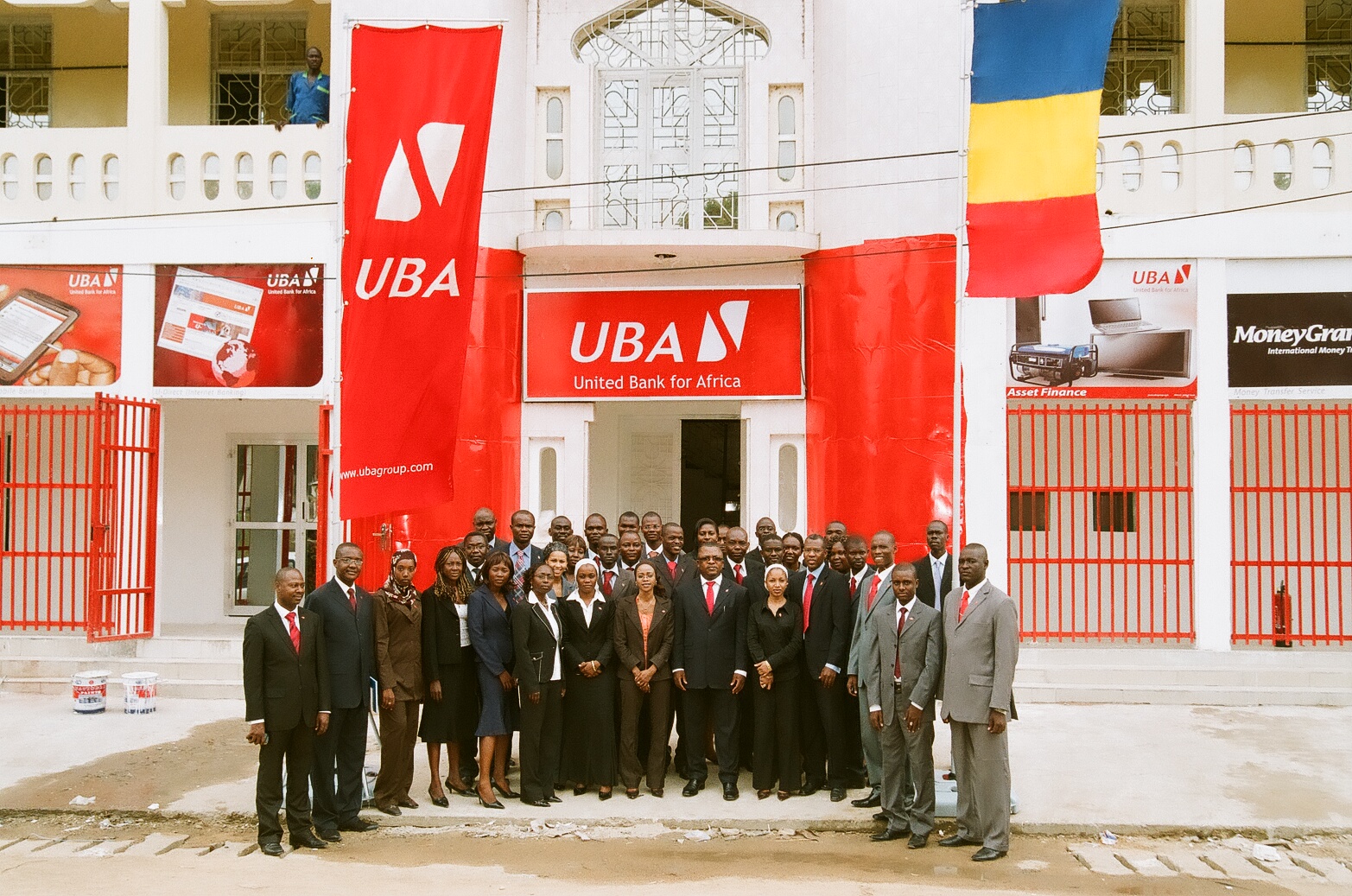
UBA, Mastercard partnership shows UBA is positioned to dominate Africa

0

UBA and Masercard have a great deal on payments across Africa.

The partnership will focus on increased payments infrastructure across Africa, including the roll out of point-of-sale and mobile-point-of-sale technology, to ensure merchants are able to accept the cards when introduced into these markets.

Mastercard and UBA are partnering across the 19 African countries in which UBA currently operates: Nigeria, Benin, Burkina Faso, Cameroon, Chad, Cote D’Ivoire, Democratic Republic of Congo, Equatorial Guinea, Ghana, Gabon, Guinea, Guinea-Bissau, Kenya, Liberia, Mozambique, Republic of Congo, Senegal, Sierra Leone, Tanzania, Uganda and Zambia.

“As the needs of our customers change, we are adapting through strategic innovations and partnerships to provide them with excellent and convenient services. Through these strategic partnerships, we are able to accelerate the drive for financial inclusion and economic wellbeing across the African continent” said Kennedy Uzoka, group managing director-Designate, UBA plc.

According to the World Bank there are approximately 2.5 billion people who are financially excluded. Access to financial tools creates economic empowerment and reduces poverty. Mastercard has the tools and resources – including potential partnerships – to drive real change today.

On June 27, 2016, Mastercard set a goal to connect 40 million micro and small merchants to its electronic payments network within five years. This expands on the company’s Universal Financial Access 2020 commitment made last year.


Konga.com restructures its business as economy hammers e-commerce in Nigeria

0

Nigeria’s largest online mall, Konga.com, will lay off some of its employees, as part of its business development strategy whereby it reviews staff strength every 6months. Konga has been doing this consistently over the last 2 years and usually let go of staff that still go on and do great things elsewhere.

The CEO of Konga, Shola Adekoya stated that “The restructuring which also entails workforce reduction is a prudent and necessary step for the long term success of the company. The reorganizing will also impact the business model as we continue to do retail but only focus on the products that customers really like with high throughput in the warehouse and that will leave other products to strategic merchants that will take over some of the products in a marketplace fashion. By this, Konga will optimize its warehouse and from September will allow merchants to begin to store items in the KONGA warehouse which guarantees quality and ensures quicker shipping times for customers.”

Konga began operations as a first party retailer investing in inventory and infrastructure to support the birth of ecommerce in the region. The company has now evolved to become Nigeria’s most vibrant online marketplace with close to 30,000 merchants registered and selling on the platform. With over 200,000 products listed on the site, spanning various categories including Phones, Computers, Clothing, Shoes, Home Appliances, Books, healthcare, Baby Products, personal care and much more; Konga is Nigeria’s largest online marketplace. Konga has offices in Lagos, hubs in South Africa and China; with warehouses and distribution centers all over Nigeria.

This restructuring which is focused on reconfiguration and reallocating resources to focus on areas that offer the highest growth opportunities and alignment with Konga’s strategic objectives is absolutely necessary for Konga in becoming the engine of commerce and trade in Africa.