DD
MM
YYYY

PAGES

DD
MM
YYYY

spot_img

PAGES

Home Blog Page 789

Spartans’ Great Cashback Offers Give Real Rewards and Instant Payouts That Keep Players Coming Back

0

For many experienced bettors, short-lived promotions often come off as bait. They’re flashy, limited, and rarely align with long-term habits. Spartans.com gets this. It knows serious players don’t want empty offers, they want steady value. Its weekly cashback system gives that. Instead of rotating offers with hidden restrictions, Spartans delivers dependable reward for steady play. 

Bet through the week and meet a clear minimum threshold, and you’ll get back a slice of your net losses. There are no hidden caps or confusing fine print. In an industry full of gimmicks, Spartans focuses on clarity and consistency. Loyalty gets rewarded, every single week. This system works because players learn exactly what to expect. That certainty builds trust. Instead of one-off perks, Spartans makes cashback a core benefit. Regular players know they’ll get something back. That kind of transparency sets Spartans apart in online betting.

Predictable Cashback Beats Gimmicky Promos 

Casino players, especially regulars, know most promos favor the house. “100% match” offers or confusing wagering rules often disappoint. Many platforms use promotions as bait, not long-term tools. Spartans is different. Its cashback is built into the user experience. Bet regularly, reach the minimum volume, and earn a percentage of net losses back, automatically. 

No random bonuses tied to specific games or limited-time events. It’s about loyalty over a week, not luck in one session. That structure appeals to new users and keeps experienced players happy. No vague terms or surprise exclusions create trust. Users know what to expect and can plan. That predictable reward encourages more play, not just during promo periods, but all the time. Spartans builds fairness into every interaction. It rewards steady, engaged bettors who value honesty over hype.

Volume Rewards Instead of Chasing Luck 

Most platforms focus on luck, jackpots, or streak-based prizes. Spartans takes a different view: it pays for volume, not volatility. If you’re active and place regular bets, you’re eligible for cashback, hot streak or not. That shift changes the betting mindset. It’s not about chasing big wins; it’s about steady engagement. Spartans understands real value builds over time. High-frequency players appreciate the stability of weekly cashback. 

You soften unlucky weeks without feeling penalized. The cashback percentage applies to net losses, giving consistency and fairness. And players using Spartans’ bonus codes don’t lose out, if codes aren’t in play, cashback still kicks in. Rather than stacking shaky incentives, Spartans weaves bonuses into its foundation. The result is a cohesive system where cashback isn’t just a promo, it’s a constant, player-first feature.

No Hidden Clauses or Cap Games 

A big frustration with most casino cashback is the fine print. Offers claim “up to 20% cashback,” yet real payouts often cap at $20 or exclude many game types. Spartans removes that frustration. Its terms are clear and shared upfront. Yes, there’s a minimum play threshold, but it’s stated plainly. The cashback percentage is calculated openly and fairly. No tricks, no guessing. That transparency turns cashback into a basic feature, not a marketing stunt. 

You don’t have to worry whether your bets counted or if secret rules block your reward. That builds confidence, which breeds loyalty. When players trust that the platform has their back, especially during losing weeks, they stick around. Pair this with reliable access to Spartans’ bonus codes, and players get both short?term perks and steady safety nets. Spartans doesn’t force you to choose, it offers both.

Built for Long-Term Players, Not Quick Wins 

Many platforms center promotions on bringing in new customers. Spartans takes a different path: it focuses on keeping those who stay. Its weekly cashback doesn’t come with flashy launches or expiry dates, it’s continuous. This approach appeals to serious players and supports smart bankroll planning. You can map out your play knowing a portion of losses returns weekly.

It feels like a long-term relationship, not a brief fling. Spartans respects regular bettors and rewards consistent activity rather than selective engagement. The cashback system becomes its own draw, reducing reliance on constant giveaways. When combined with optional online betting bonus codes, it offers both quick value and structural support. This balanced setup makes for a more sustainable platform. Cashback isn’t just a bonus, it’s a reason to keep playing and return week after week.

The Loyalty Loop That Really Delivers 

Spartans.com removes the guesswork from betting rewards by using a weekly cashback program that truly benefits players. It isn’t based on hype or luck. It’s based on clear, trackable play. If you bet consistently, even unlucky weeks still offer return via cashback. Add smart use of Spartans’ bonus codes and you get both short-term gains and reliable value. 

For newcomers and loyal users, the platform gives solid reasons to come back. This system offers predictability, trust, and genuine long-term worth. When rewards are fair, dependable, and straightforward, retaining users becomes natural. Spartans doesn’t rely on gimmicks. It offers a new, better way to play.


 Find Out More About Spartans:

Website: https://spartans.com/

Instagram: https://www.instagram.com/spartans/

Twitter/X: https://x.com/SpartansBet

YouTube: https://www.youtube.com/@SpartansBet

 

Robinhood Q2 2025 Earnings Reported A 98% YoY Increase in Crypto Related Revenue

0

Robinhood’s Q2 2025 earnings reported a 98% year-over-year increase in crypto-related revenue, reaching $160 million, driven by a 32% surge in crypto trading volume to $28 billion. The acquisition of Bitstamp in June added $7 billion in institutional trading volume, enhancing its global crypto presence.

Total net revenue grew 45% to $989 million, with net income doubling to $386 million, or $0.42 per share, surpassing analyst expectations. Despite the strong performance, crypto revenue fell 36% quarter-over-quarter from $252 million due to market slowdowns and geopolitical tensions. CEO Vlad Tenev emphasized tokenization as a key growth strategy, launching Robinhood Chain for tokenized assets in Europe.

However, the stock dipped slightly in after-hours trading, reflecting high investor expectations. Blockchain and stablecoins enable near-instant settlements globally, 24/7, at lower costs compared to traditional systems like SWIFT or ACH, which can take days and incur high fees. Stablecoins like USDT and USDC, which dominate the $200 billion market, reduce intermediary costs and FX markups, making them ideal for cross-border transactions.

Robinhood’s crypto platform supports transfers of assets like Bitcoin and Ethereum to external wallets, facilitating faster and cheaper cross-border transactions without deposit or withdrawal fees, though network fees apply. Cryptocurrencies enable payments in regions with limited banking infrastructure, crucial for remittances in emerging markets like Vietnam, Philippines, and Nigeria, where stablecoins reduce transaction fees significantly.

Robinhood’s expansion into the EU, with tokenized assets and crypto trading, targets underbanked populations and tech-savvy millennials, aligning with its mission to democratize finance. Cross-border crypto flows face regulatory scrutiny, with frameworks like the U.S. STABLE and GENIUS Acts (2025) and Singapore’s Payment Services Act aiming to ensure compliance with AML and KYC standards.

Robinhood’s crypto division, licensed by the New York State Department of Financial Services and registered with FinCEN, adheres to strict compliance measures. However, a $30 million fine in 2022 for AML and cybersecurity violations highlights ongoing risks. Stablecoins and low-value Bitcoin payments are increasingly used for remittances in developing economies, partly to circumvent capital flow restrictions. Geopolitical tensions may further drive crypto adoption as a hedge against currency volatility.

Robinhood’s acquisition of Bitstamp and launch of Robinhood Chain in Europe position it to capitalize on these trends, especially in regions with high financial exclusion. Fintechs like Wise and Revolut, alongside traditional players like Visa and Mastercard, are enhancing cross-border payment solutions. Blockchain’s ability to bypass correspondent banking models intensifies competition.

The acquisition of Bitstamp in June 2025 for $200 million bolsters Robinhood’s institutional crypto trading capabilities, adding $7 billion in trading volume. This enhances its ability to process cross-border transactions efficiently. Launching tokenized ETFs and stocks in the EU, alongside Robinhood Chain for tokenized assets, targets Europe’s growing crypto market, leveraging blockchain’s borderless nature.

Robinhood offers commission-free crypto trading and no deposit/withdrawal fees, aligning with the low-cost advantage of blockchain-based payments. This appeals to cost-conscious users, particularly for cross-border remittances. Support for over 50 cryptocurrencies, including stablecoins like USDC, positions Robinhood to facilitate stable, low-cost cross-border payments.

With an average customer age of 35, Robinhood targets tech-savvy younger demographics who value speed and efficiency in cross-border transactions. Features like price alerts and advanced charting cater to this group’s trading preferences. Robinhood emphasizes robust security through routine code reviews and third-party audits, critical for cross-border transactions where cybersecurity risks are high.

The launch of Robinhood Chain for tokenized assets in Europe taps into the growing trend of tokenization, which enhances liquidity and simplifies cross-border asset transfers. This aligns with blockchain’s potential to streamline treasury management and e-commerce. Despite Q2 success, Robinhood’s crypto revenue dropped 36% quarter-over-quarter due to market slowdowns, highlighting crypto’s volatility as a risk for cross-border payment reliability.

Evolving global regulations, such as the EU’s digital euro initiatives or U.S. stablecoin laws, could impose stricter compliance costs or limit crypto’s use in cross-border payments. Fintechs and traditional institutions adopting blockchain (e.g., Stripe’s stablecoin platform, JPMorgan’s blockchain solutions) challenge Robinhood’s market share.

Robinhood’s crypto strategy, bolstered by acquisitions like Bitstamp and innovations like Robinhood Chain, positions it well to leverage the speed, cost-efficiency, and inclusivity of blockchain-based cross-border payments. By targeting younger demographics, ensuring compliance, and expanding globally, Robinhood aligns with the growing adoption of stablecoins and tokenized assets.

U.S. Tariffs Threaten Germany’s Export-Driven Economy, as Nation Allows Greater Borrowing

0

Germany’s economy contracted by 0.1% in Q2 2025, reversing a 0.3% expansion in Q1, as U.S. demand slowed after a period of strong purchases driven by anticipated tariff hikes. The decline aligns with forecasts and reflects reduced investment in equipment and construction, though consumption and government spending rose.

Uncertainty over U.S. tariffs, which include a 15% levy on EU goods and higher sectoral tariffs on autos, steel, and aluminum, has weighed heavily on Germany, a major exporter. The eurozone, however, saw a better-than-expected 0.1% growth, suggesting some resilience.

Analysts warn that ongoing trade tensions and potential new tariffs could push Germany toward a third consecutive year of stagnation or recession, with exports to the U.S., a key market, dropping significantly. A new trade framework with the U.S. offers some relief, but broader structural issues and global uncertainty continue to challenge growth prospects.

The economic contraction and ongoing stagnation signal persistent structural challenges, including high energy costs, bureaucratic burdens, and geopolitical tensions. These factors reduce Germany’s attractiveness as an investment destination, particularly for smaller and medium-sized enterprises.

Multinationals, however, may continue to invest in larger projects to secure European value chains, as seen with FDI inflows reaching €46 billion in the first four months of 2025, driven by intra-company debt flows. Uncertainty surrounding U.S. tariffs and global trade tensions, particularly with the U.S. and China, discourages FDI, as investors adopt a cautious “wait-and-see” approach.

In contrast, sectors like semiconductors and pharmaceuticals see selective investment (e.g., TSMC’s €10 billion fab in Dresden). Germany’s green energy transition, supported by €6 billion annually for climate protection by 2025, may attract FDI in green technologies, but skepticism about the growth potential of decarbonization efforts could limit this.

Germany’s low public investment (2.8% of GDP, below the EU average of 3.6%) and bureaucratic red tape (e.g., 120 days to obtain a business license) deter FDI. The proposed €500 billion infrastructure fund could boost FDI by signaling government commitment to growth, but its impact is not expected until 2026.

Germany’s stable legal environment and skilled workforce remain attractive, but competition from Central and Eastern European countries (e.g., Poland, Hungary) with lower costs and higher growth is diverting FDI. Germany’s outward FDI is increasingly sensitive to geopolitical risks, particularly in energy-intensive sectors and with countries like China and Russia. Inward FDI from China has declined, reflecting global fragmentation.

Tighter screening of foreign investments in critical sectors (e.g., AI, semiconductors) may limit FDI inflows from non-EU countries. German exports fell by 1.4% in May 2025, with a sharp 7.7% drop to the U.S. and a 13.8% year-on-year decline, driven by tariff uncertainty. The U.S., Germany’s largest trading partner, accounts for a €65 billion trade surplus, making it vulnerable to proposed 15% tariffs on EU goods and higher sectoral tariffs.

Exports are projected to contract by 1.9% in 2025, marking a third consecutive year of decline, exacerbated by reduced demand from China and global trade tensions. U.S. tariffs threaten Germany’s export-driven economy, where goods exports account for 36.1% of GDP. The automotive sector, a cornerstone of German exports, faces challenges from both U.S. tariffs and competition from Chinese EV manufacturers supported by “Made in China 2025.”

The BDI industry association estimates that U.S. tariffs could shrink Germany’s economy by 0.5% in 2025, further dampening export prospects. Germany’s reliance on intra-EU trade (a key stabilizer) may grow as transatlantic trade weakens. Deeper EU integration is critical to offset U.S. tariff impacts, though Chinese goods redirected to Europe due to U.S.-China trade tensions could oversaturate markets.

The EU Commission is urged to pursue new trade agreements to maintain and expand market access. High energy costs and declining competitiveness in key industries (e.g., automotive, chemicals) undermine export performance. Layoffs by major firms like Bosch and Siemens (over 60,000 jobs cut in 2024) signal reduced production capacity. The government’s forecast predicts a 0.3% export decline in 2025, driven by global uncertainties and weakened competitiveness.

Germany’s government must address bureaucratic inefficiencies and boost public investment to restore FDI appeal. The €500 billion infrastructure fund and potential debt brake reform could signal a shift, but effects are delayed. Mitigating tariff impacts requires stronger EU trade agreements and diversification of export markets. Investments in green technologies and digitalization could enhance competitiveness, but structural reforms are critical to avoid a third year of recession.

Germany’s Strict Fiscal Rule To Allow Greater Borrowing And Investment in 2026

The German Cabinet approved the 2026 draft budget, featuring a total spending of €520.5 billion, with record investments of €126.7 billion and borrowing of €174.3 billion, tripling the 2024 borrowing of €50.5 billion. This includes €117.2 billion for defense, set to rise to €161.8 billion by 2029, supported by a debt brake reform and a €100 billion special defense fund. A €500 billion infrastructure fund will add €58.9 billion in borrowing for 2026.

The budget aims to revive economic growth, modernize infrastructure, and boost military spending, with parliamentary discussions starting in September and approval expected by year-end. Finance Minister Lars Klingbeil warned of austerity measures from 2027 due to a projected €172 billion deficit through 2029.

The debt brake reform in Germany refers to changes made to the country’s constitutional debt brake (“Schuldenbremse”), a fiscal rule embedded in the German Constitution (Basic Law) since 2009. The debt brake limits the federal government’s structural budget deficit to 0.35% of GDP and generally prohibits deficits for state governments, with exceptions for emergencies or severe economic downturns.

The reform addresses Germany’s need for increased public investment in areas like defense, infrastructure, and climate initiatives, especially after years of underinvestment and amid economic stagnation. It balances the constitutional commitment to fiscal restraint with the necessity to fund modernization and meet NATO defense spending targets (2% of GDP).

The reform allows for higher borrowing in 2026 (€174.3 billion, up from €50.5 billion in 2024) by adjusting how the debt brake is applied, possibly through a broader interpretation of “exceptional circumstances” or recalibrating the structural deficit limit. A new €500 billion infrastructure fund was introduced, enabling €58.9 billion in borrowing for 2026 to finance projects like rail, renewable energy, and digitalization, which are treated separately from the regular budget to bypass strict debt brake limits.

The reform facilitates the use of a €100 billion special defense fund (created in 2022) and increased defense allocations (€117.2 billion in 2026, rising to €161.8 billion by 2029), ensuring compliance with NATO commitments without fully counting against the debt brake’s cap. The reform may refine how economic cycles are factored into deficit calculations, allowing more flexibility during economic recovery phases.

The debt brake typically caps structural deficits but permits higher borrowing during crises (e.g., natural disasters, pandemics, or recessions). The reform likely expands these exceptions or adjusts the formula for calculating permissible deficits, possibly by accounting for long-term investment needs or off-budget special funds.

Special funds (like the defense and infrastructure funds) are structured to comply with the debt brake by being legally separate from the federal budget, thus not counting toward the 0.35% GDP limit. Germany faces pressure to stimulate its economy, which has lagged in recent years. Investments in infrastructure and green technology aim to boost competitiveness.

Rising defense spending reflects commitments to NATO and regional security amid global tensions. The reform maintains the debt brake’s core principle of limiting deficits to avoid unsustainable debt, with Finance Minister Lars Klingbeil signaling austerity measures from 2027 to address a projected €172 billion deficit through 2029.

Some argue the reform weakens fiscal discipline, risking higher debt levels, while others say it doesn’t go far enough to address investment needs. The increased borrowing in 2026 raises concerns about future budget cuts, as the government plans to reduce deficits post-2026 to comply with the debt brake’s long-term constraints.

The debt brake reform adjusts Germany’s strict fiscal rule to allow greater borrowing and investment in 2026, particularly for defense and infrastructure, through mechanisms like special funds and a loosened interpretation of deficit limits. It aims to balance economic stimulus with fiscal responsibility, though it sets the stage for potential austerity measures after 2026 to manage rising deficits.

Seplat Energy Triples Revenue in H1 2025 to N2.167 Trillion

0

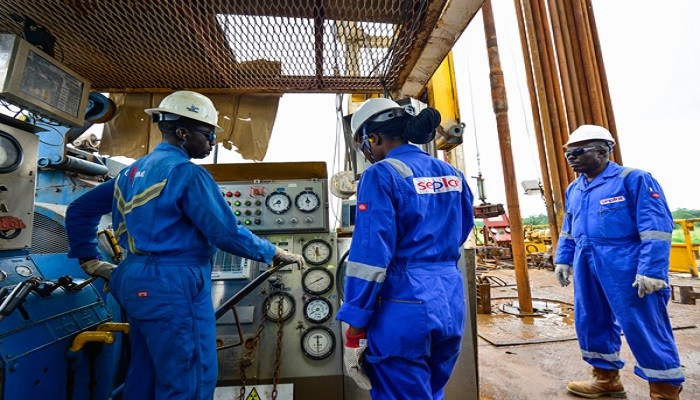
Seplat Energy Plc, Nigeria’s foremost indigenous energy company listed on the Nigerian Exchange and London Stock Exchange, has posted a blockbuster unaudited financial result for the six months ended June 30, 2025.

The company’s revenue rose sharply to N2.167 trillion, a nearly 277% surge from N575.1 billion recorded in the same period last year, reflecting strong production growth, strategic offshore expansion, and disciplined cost management.

The energy giant’s gross profit tripled year-on-year to N751.2 billion from N247.5 billion, while operating profit rose to N601.2 billion, up from N285.2 billion. Cash generated from operations hit N1.188 trillion, almost quadrupling from N308.2 billion in the prior year period. These figures underscore Seplat’s sharp financial and operational turnaround, boosted by its expanded offshore footprint and rising gas infrastructure investments.

Seplat’s earnings before interest, taxes, depreciation, and amortization (EBITDA) climbed to N1.139 trillion, up from N364.5 billion — a 212.4% jump — affirming strong operating efficiency.

Soaring Production Output

Seplat’s performance was anchored by a 178% surge in production, reaching an average of 134,492 barrels of oil equivalent per day (boepd). This is well above its 2025 guidance midpoint of 130,000 boepd and includes 100,327 barrels per day of working interest crude oil output.

Onshore assets contributed 54,831 boepd, 13% higher than H1 2024, while offshore production rose sharply to 79,660 boepd, aided by the restoration of 29 idle wells, which added nearly 26,000 barrels per day of gross production capacity. Offshore production was dominated by crude and condensate (86%), alongside NGLs (5%) and gas (9%).

The company recorded over 15.3 million man-hours without a Lost Time Injury (LTI) on its operated assets, reinforcing Seplat’s commitment to safety. It also reported reduced carbon intensity across onshore assets, down to 26.7 kg CO?/boe, from 31.4 kg CO?/boe, aligning with its target of ending routine flaring by the end of 2025.

The ANOH gas plant, a key infrastructure project, received dry gas in July and has begun hydrocarbon commissioning, indicating another step in Seplat’s strategic shift toward cleaner energy sources.

Balance Sheet Strength and Upgraded Ratings

In dollar terms, Seplat’s revenue for H1 2025 stood at $1.398 billion, a 231% rise from $422 million in the same period last year. Adjusted EBITDA was $735 million, while cash from operations hit $766.2 million.

Despite increased investment, capital expenditure dropped slightly to $96.5 million, down from $102.4 million. Net debt fell to $676 million, improving leverage ratios to 0.53x EBITDA. The company also repaid $100 million in debt post-period and now has full access to its $350 million revolving credit facility.

Buoyed by its financial strength, Fitch upgraded Seplat’s rating to B in April, followed by Moody’s assigning a B2 (stable) rating in June.

Dividend and Capital Outlook

Seplat declared a Q2 2025 dividend of 4.6 cents per share, in line with the previous quarter. The company plans to unveil a new capital allocation policy at its upcoming Capital Markets Day on September 18, 2025, where it will detail its medium- and long-term growth plans.

Seplat’s resurgence signals that energy, too, is undergoing a revaluation, driven not just by oil but increasingly by gas. With upstream expansion, improved production efficiency, and focused investments in gas infrastructure, Nigeria’s energy space is emerging as a dynamic, cash-generating frontier once again — a development that strengthens the argument for resource-based economic diversification.

For the rest of 2025, Seplat has reaffirmed its guidance:

  • Production: 120,000–140,000 boepd
  • Capex: $260–320 million
  • Unit costs: $14–15/boe

According to CEO Roger Brown, the company’s strategy is delivering beyond expectations:?“Seplat has continued its positive trajectory in Q2 to deliver a strong performance for the first half of 2025. Our focus on integrity, reliability, and production improvement activities is bearing fruit as evidenced by strong production in 2Q 2025, with onshore in the upper end of guidance, and offshore production growing 11% quarter on quarter.

“The Company delivered first half production over 10% higher than the pro forma output in the same period last year, delivering on both our ambitions and supporting Nigeria’s goals of oil and gas production growth.”

He further assured, “We are well placed to weather the recent increase in macro volatility. Strong revenues and a focus on costs delivered significant positive cash flows, enabling us to further reduce net leverage, continue our strong quarterly dividend track record, and, in the past week, pay down an additional $100 million of debt.

“We have hit the ground running in 2025, building a strong foundation with which to deliver on our 2025 performance targets. Integration of the enlarged group continues at pace, and we look forward to sharing our exciting plans for the Company when we set out the future of our business at the upcoming Capital Markets Day in September.”

Analysts believe that Seplat’s strong financials, increasing offshore output, improved safety profile, and gas-focused transition strategy may very well position the company as the anchor for Nigeria’s new energy economy.

1win as a trailblazer in online gambling innovation

0

In the competitive landscape of online gambling, 1win stands out by merging cutting-edge technology with a player-focused approach. The platform offers a seamless and engaging experience tailored to meet the needs of a wide audience, from casual users to seasoned bettors.

By integrating advanced software solutions and user-friendly design, 1win ensures smooth navigation, quick load times, and a visually appealing interface across all devices. This adaptability makes it easy for players to access their favorite games anytime, anywhere.

Security is paramount, with stringent measures to protect personal and financial information. Transparency in game fairness is maintained through certified random number generators, fostering player confidence.

The platform also embraces modern payment options, including cryptocurrencies, allowing for faster transactions and enhanced privacy. This versatility reflects 1win’s commitment to staying at the forefront of industry trends.

For those looking to explore a reliable and innovative online gaming platform, the Site oficial do 1win offers a comprehensive solution that continues to attract and retain players worldwide.

Diverse gaming options available on 1win

The variety of games offered on 1win caters to an extensive range of player preferences, ensuring that every type of gambler finds something suited to their tastes. The platform collaborates with renowned software providers to deliver a rich portfolio of titles that blend entertainment with quality.

Slots are a major highlight, ranging from classic three-reel machines reminiscent of traditional casinos to state-of-the-art video slots featuring immersive graphics, dynamic bonus rounds, and innovative mechanics. Progressive jackpot slots offer thrilling opportunities for substantial winnings, appealing to risk-takers.

For fans of strategic play, the table games category provides multiple variants of blackjack, roulette, baccarat, and poker. Each game offers different rule sets and betting limits, accommodating beginners and high rollers alike. The clear layouts and smooth interfaces enhance decision-making and gameplay.

The live dealer section replicates the real casino atmosphere by streaming games with professional dealers in real-time. Players can interact with dealers and fellow participants during games such as live blackjack, live roulette, and live baccarat, adding a social dimension that enhances immersion.

Expanding beyond traditional casino games, 1win features a comprehensive sports betting platform. It covers a wide array of sports, including football, basketball, tennis, and esports, offering both pre-match and live betting options. The sportsbook combines competitive odds with an intuitive interface for an enjoyable wagering experience.

Additionally, the virtual sports category simulates sporting events with quick outcomes, catering to players who prefer fast-paced betting without the wait associated with real events. These simulations offer a range of sports like horse racing and football, maintaining engagement throughout the day.

This diverse game selection on 1win ensures a comprehensive entertainment package that can satisfy both casual players and avid gamblers seeking excitement and variety.

Rewarding bonuses and promotions for loyal players on 1win

Sustaining player engagement requires more than just a great game selection — consistent and valuable bonuses are essential. 1win offers a dynamic range of promotions tailored to reward ongoing activity, helping players maximize their winnings and extend their gameplay.

The bonus system is designed to cater to both newcomers and seasoned players, ensuring that regular participants feel appreciated and motivated. These offers are structured with clear terms to maintain fairness and transparency, allowing players to benefit without confusion or unrealistic wagering conditions.

Welcome bonuses and activation conditions on 1win

New players are greeted with generous welcome bonuses that boost initial deposits and often include free spins on popular slot titles. Activating these bonuses typically involves making a qualifying deposit and sometimes entering a promo code, which is clearly communicated within the terms.

It is important for players to understand wagering requirements, as they dictate how bonuses can be converted into withdrawable funds. The straightforward activation process and fair conditions make the welcome offers both attractive and accessible, providing an excellent foundation for a positive gaming experience.

Regular promotions and loyalty programs at 1win

Beyond the welcome package, ongoing promotions keep the momentum alive for frequent players. These include reload bonuses, cashback offers that return a portion of losses, and special event-related campaigns tied to holidays or new game launches.

The loyalty program rewards consistent play with tiered benefits, such as personalized bonuses, faster withdrawal times, and exclusive access to VIP-only events. This program encourages long-term engagement by recognizing and incentivizing player commitment.

Ttournaments, promo codes, and exclusive deals on 1win

Competitive players can participate in regularly hosted tournaments that offer significant cash prizes and unique rewards. These contests foster a sense of community and add an extra layer of excitement to the gaming experience.

Promo codes distributed through newsletters and social media channels grant access to additional bonuses and free spins, often exclusive to subscribers or loyal players.

Exclusive deals, including seasonal offers and limited-time promotions, provide further chances to maximize earnings and enjoy fresh content, keeping the platform vibrant and rewarding.

Flexible payment solutions and rapid withdrawals at 1win

Efficient financial transactions are a cornerstone of a satisfying online gaming experience. 1win offers a broad spectrum of payment options that prioritize both convenience and security, catering to players across different regions.

Traditional methods such as credit and debit cards remain popular due to their accessibility and familiarity. Additionally, electronic wallets like Skrill and Neteller provide faster transaction times, enabling near-instant deposits and withdrawals with enhanced privacy.

One of the standout features is support for cryptocurrencies, which allows for anonymous and swift transfers, appealing to players who value discretion and cutting-edge technology.

Withdrawal processing is streamlined, with many transactions completed within 24 hours, especially when using e-wallets or cryptocurrencies. Clear policies regarding minimum and maximum limits, as well as transaction fees, help users manage their funds without surprises.

This comprehensive payment infrastructure underscores 1win’s commitment to a seamless and secure gaming environment where financial operations never interrupt the fun.

Competitive strengths of 1win in the gambling industry

1win has carved out a distinctive position by combining innovation, security, and user-centric design. Its competitive edge is reflected in multiple facets that appeal to a wide player base.

Key advantages include:

  • Diverse game library: A wide range of games across categories ensures that every player finds their preferred entertainment.
  • User-friendly interface: Intuitive navigation and mobile optimization provide seamless access on all devices.
  • Robust security measures: Advanced encryption and certified fairness protocols build player trust.
  • Comprehensive bonus programs: Attractive promotions and loyalty rewards keep users engaged and valued.
  • Flexible payment options: Support for traditional methods and cryptocurrencies allows easy and fast transactions.
  • Responsive customer support: 24/7 assistance through multiple channels ensures issues are promptly resolved.
  • Constant innovation: Regular updates and feature expansions keep the platform fresh and competitive.

While the platform continues to refine its offerings, these strengths position 1win as a forward-thinking and reliable choice in the competitive gambling landscape.

Why 1win is more than just another online casino

Evaluating 1win reveals a platform that does more than tick standard boxes — it actively redefines what players can expect from an online gaming experience. Its blend of innovative technology, a vast game selection, and a player-first approach establishes a foundation that resonates with both casual and serious users.

Strengths such as diverse payment options, comprehensive bonuses, and robust security demonstrate a clear understanding of player priorities. The platform’s continuous evolution and responsiveness to user feedback indicate a commitment to growth rather than complacency.

Certainly, like any service, there are areas where 1win can enhance its performance, but these do not overshadow its overall appeal. What sets it apart is the willingness to innovate while maintaining trust and fairness, creating a gaming environment that invites players to return not out of habit, but because the experience genuinely adds value.

In a crowded digital landscape, 1win offers a refreshing alternative — a place where technology and player needs converge to create something more than just games: a dynamic, evolving community.