DD
MM
YYYY

PAGES

DD
MM
YYYY

spot_img

PAGES

Home Blog Page 8

Meta Faces Wall Street Pressure as Kaito Bets on Creator Incentives

0

The latest developments surrounding Meta and Kaito highlight how quickly sentiment can shift across both traditional technology stocks and the crypto economy.

While the two stories unfolded in different sectors, they share a common theme: investors are becoming increasingly demanding about execution, growth, and the ability to translate innovation into measurable financial results.

A disappointing earnings report can erase billions in market value within hours, while a new product launch in crypto may fail to inspire confidence if investors remain uncertain about its long-term impact.

Meta experienced a sharp sell-off, with its shares dropping approximately 9% after the company missed earnings expectations.

The decline reflects the market’s growing intolerance for even minor disappointments from large technology companies that have enjoyed years of exceptional growth. Investors have come to expect strong revenue expansion, improving profit margins, and continued leadership in artificial intelligence.

When quarterly results fall short of those expectations, concerns quickly emerge over slowing advertising revenue, rising operational costs, or increased capital spending on AI infrastructure. The reaction illustrates how sensitive technology stocks have become to earnings performance.

Companies investing billions of dollars in AI, data centers, and advanced computing are under pressure to demonstrate that these investments will eventually generate sustainable returns. Any indication that profitability could be delayed often leads to aggressive selling, regardless of the company’s long-term strategic vision.

The crypto industry witnessed another important development as Kaito introduced Katalyst, a new reward layer designed to compensate creators based on the measurable value they generate. Unlike conventional engagement models that reward likes, views, or follower counts.

Katalyst seeks to recognize creators whose content drives meaningful discussions, market attention, and ecosystem growth. The initiative represents another step toward aligning incentives within decentralized social and information networks.

The concept behind Katalyst reflects a broader movement across Web3 toward value-based participation.

As decentralized ecosystems mature, projects are increasingly exploring mechanisms that reward actual contributions rather than superficial engagement metrics. If successful, Katalyst could encourage higher-quality research, educational content, and community participation while reducing incentives for spam and low-value promotional activity.

Investor enthusiasm remained subdued. KAITO declined 11% over the week, suggesting that the market remains cautious about the project’s near-term outlook. In cryptocurrency markets, product announcements alone are rarely sufficient to drive sustained price appreciation.

Investors typically seek evidence of adoption, growing user activity, expanding revenue opportunities, and stronger token utility before assigning higher valuations. The decline reflects broader conditions across digital asset markets, where volatility continues to dominate sentiment.

Even fundamentally positive developments can be overshadowed by profit-taking, macroeconomic uncertainty, or shifting capital flows toward larger cryptocurrencies such as Bitcoin and Ethereum. For smaller ecosystem tokens, maintaining investor confidence requires consistent execution over time rather than isolated product launches.

Meta’s earnings-driven decline and Kaito’s mixed reception underscore a changing investment landscape. Markets are becoming more disciplined, rewarding tangible performance instead of ambitious narratives alone.

Whether in Silicon Valley or the decentralized economy, companies and blockchain projects must increasingly prove that innovation can translate into sustainable growth, user adoption, and long-term value creation.

Meta will focus on demonstrating that its AI investments can strengthen earnings and restore investor confidence, while Kaito must show that Katalyst can attract creators, expand network participation, and generate meaningful ecosystem activity.

In both cases, execution—not announcements—will ultimately determine whether market sentiment recovers or remains cautious.


Indian Reliance Boosts Diesel Exports to Europe And Brazil As Global Supply Tightens Amid Middle East Conflict

0

India’s Reliance Industries has sharply increased diesel exports to Europe and Brazil in July, taking advantage of soaring global refining margins and helping ease a tightening fuel market strained by the U.S.-Iran conflict and Russia’s temporary diesel export ban.

Shipping data and trade sources cited by Reuters show Reliance loaded between 4 million and 5 million barrels of diesel from its Jamnagar refining complex for Europe this month, marking its highest monthly shipments to the region in 10 months and a return to export levels seen before the U.S.-Iran war disrupted global fuel flows.

The increased shipments come as Europe grapples with one of its tightest diesel markets in years. Diesel refining margins in the region surged to a record $74 per barrel on Wednesday as inventories fell to their lowest level since 2014, while disruptions to exports from the Gulf following the escalation of the Middle East conflict further constrained supplies.

The latest export surge indicates that India is becoming increasingly important in the global refined fuel market.

Over the past two years, India has evolved into one of the world’s most important “swing suppliers,” capable of redirecting refined petroleum products between Europe, Asia and Latin America depending on where margins are most attractive.

That flexibility has become even more valuable as geopolitical tensions continue to reshape global energy trade.

India, the world’s second-largest crude oil importer, recorded its highest diesel exports in three years during 2025, according to Kpler data, and is again stepping in to fill supply gaps created by sanctions, wars and refinery outages.

Unlike many consuming nations, India possesses some of the world’s largest and most sophisticated export-oriented refineries, enabling companies such as Reliance to rapidly redirect cargoes toward markets facing acute shortages.

Multiple Disruptions Tighten Global Diesel Supplies

The jump in exports reflects more than just strong European demand. Russia, historically one of the world’s largest diesel exporters, suspended most diesel exports during July after Ukrainian drone attacks damaged several refineries. Moscow is widely expected to extend those restrictions into August, further tightening global supplies.

At the same time, disruptions linked to the U.S.-Iran conflict have reduced shipments from the Gulf to Europe, forcing buyers to seek alternative suppliers.

The combination of lower Russian exports, constrained Middle Eastern supply and falling European inventories has created one of the strongest diesel markets in recent years.

Consultancy Energy Aspects estimates Europe will face a deficit of approximately 833,000 barrels per day of middle distillates, including diesel and jet fuel, during the third quarter.

That supply shortfall has pushed refining margins sharply higher and encouraged exporters from India and other Asian producers to capitalize on the opportunity.

Trade Economics May Shift In August

Whether those elevated exports continue into August remains uncertain. Although the price premium for European diesel has widened significantly, analysts say Asian buyers are also competing aggressively for available cargoes.

James Noel-Beswick, head of commodities at Sparta Commodities, said Europe will need to continue paying higher prices to attract shipments away from Asian markets.

“Europe has to outbid an East that is still paying up for the same cargoes,” he said.

Market pricing illustrates the competition.

The spread between ICE gasoil futures and Asian diesel swaps widened to discounts approaching $140 per metric ton over the past two trading sessions, compared with around $80 per metric ton during most of July.

However, despite the wider arbitrage, shipping economics may increasingly favor deliveries into Asia during the first half of August.

According to Noel-Beswick, transporting diesel from India’s west coast to Asian destinations currently offers stronger returns than shipping to Europe because of freight costs and regional pricing dynamics.

Chartering a Long Range 2 (LR2) tanker capable of carrying roughly 750,000 barrels of refined fuel from western India to Europe currently costs slightly more than $5 million, or about $55 per metric ton, according to shipping data.

Reliance is also expanding shipments to Latin America.

India’s diesel exports to Brazil are expected to reach 2.8 million barrels in July, the highest level in 11 months, according to Kpler tracking data. The cargoes are being loaded from Reliance’s Jamnagar refinery as well as the Vadinar refinery.

The increase coincides with a sharp decline in Russian diesel exports to Brazil, which have fallen to their lowest level in nearly four years, creating additional opportunities for Indian refiners.

However, the latest shift in diesel trade flows indicates that geopolitical events continue to redraw global energy markets.

The U.S.-Iran conflict has disrupted traditional supply routes from the Middle East, while Russia’s export restrictions have removed another major source of diesel from international markets. Together, those developments have tightened inventories, lifted refining margins to record levels and encouraged alternative suppliers such as India to increase exports.

Germany Introduces AI to Streamline Immigration Services and Public Administration

0

Germany is taking significant step toward modernizing its immigration system by embracing artificial intelligence to streamline the processing of asylum, visa, and residence permit applications.

Chancellor Friedrich Merz’s Cabinet approved legislation that would permit immigration authorities to use AI as a supporting tool in handling applications, with the goal of reducing processing times, improving efficiency, and easing the growing workload faced by public agencies.

The proposal reflects a broader trend across Europe, where governments are increasingly turning to advanced technologies to modernize public administration. Germany has long struggled with lengthy immigration procedures, particularly following years of increased migration and rising demand for work visas, student permits, and humanitarian protection.

These delays have placed significant pressure on immigration offices, creating backlogs that affect both applicants and government agencies. By integrating AI into administrative workflows, the government hopes to accelerate routine tasks while allowing human officials to focus on more complex decisions.

Under the proposed legislation, AI will assist officials rather than replace them. The technology is expected to handle repetitive administrative functions such as organizing documents, identifying missing information, categorizing applications, and supporting preliminary reviews.

Human caseworkers will continue to make the final decisions on asylum claims, visa approvals, and residence permits, ensuring that legal standards and individual circumstances remain central to every case.

Government officials argue that AI can significantly improve efficiency by reducing manual workloads and minimizing human error in document processing.

Faster application reviews would benefit asylum seekers awaiting protection decisions, skilled workers seeking employment opportunities, international students, and businesses that rely on foreign talent. Germany, like many developed economies, faces labor shortages across several industries, making quicker visa processing an important economic priority.

The initiative also reflects Germany’s commitment to digital transformation within the public sector. Over the past decade, critics have frequently described Germany’s government bureaucracy as outdated, heavily paper-based, and slow to adopt modern digital infrastructure.

Introducing AI into immigration services represents part of a wider effort to digitize government operations, improve public service delivery, and reduce administrative costs without compromising legal oversight.

The proposal has sparked debate among legal experts, civil rights organizations, and privacy advocates. Immigration decisions often involve highly sensitive personal information and can have life-changing consequences.

Critics warn that AI systems must operate with complete transparency and should not introduce algorithmic bias that could unfairly disadvantage certain groups of applicants. They emphasize that automated systems should remain explainable, regularly audited, and subject to strict human supervision.

Another concern involves data protection. Germany maintains some of the world’s strongest privacy standards, and any AI system used by government agencies must comply with both national laws and the European Union’s data protection regulations. Authorities will likely need to implement robust cybersecurity measures, establish clear accountability frameworks, and ensure that applicants retain the right to challenge decisions made with AI assistance.

Supporters believe that these safeguards can coexist with technological innovation. Rather than replacing experienced immigration officers, AI could function as an intelligent administrative assistant capable of handling large volumes of paperwork quickly and consistently. This hybrid approach may enable authorities to improve service quality while maintaining fairness and legal accountability.

If implemented successfully, Germany’s AI-assisted immigration system could become a model for other European countries seeking to modernize public administration. As governments worldwide explore the responsible use of artificial intelligence.

Germany’s approach will serve as an important test of whether advanced technology can improve efficiency while preserving transparency, human oversight, and the fundamental rights of applicants navigating complex immigration procedures.

JPMorgan Warns That Failure to Pass The Clarity Act Will Hurt Crypto Markets

0
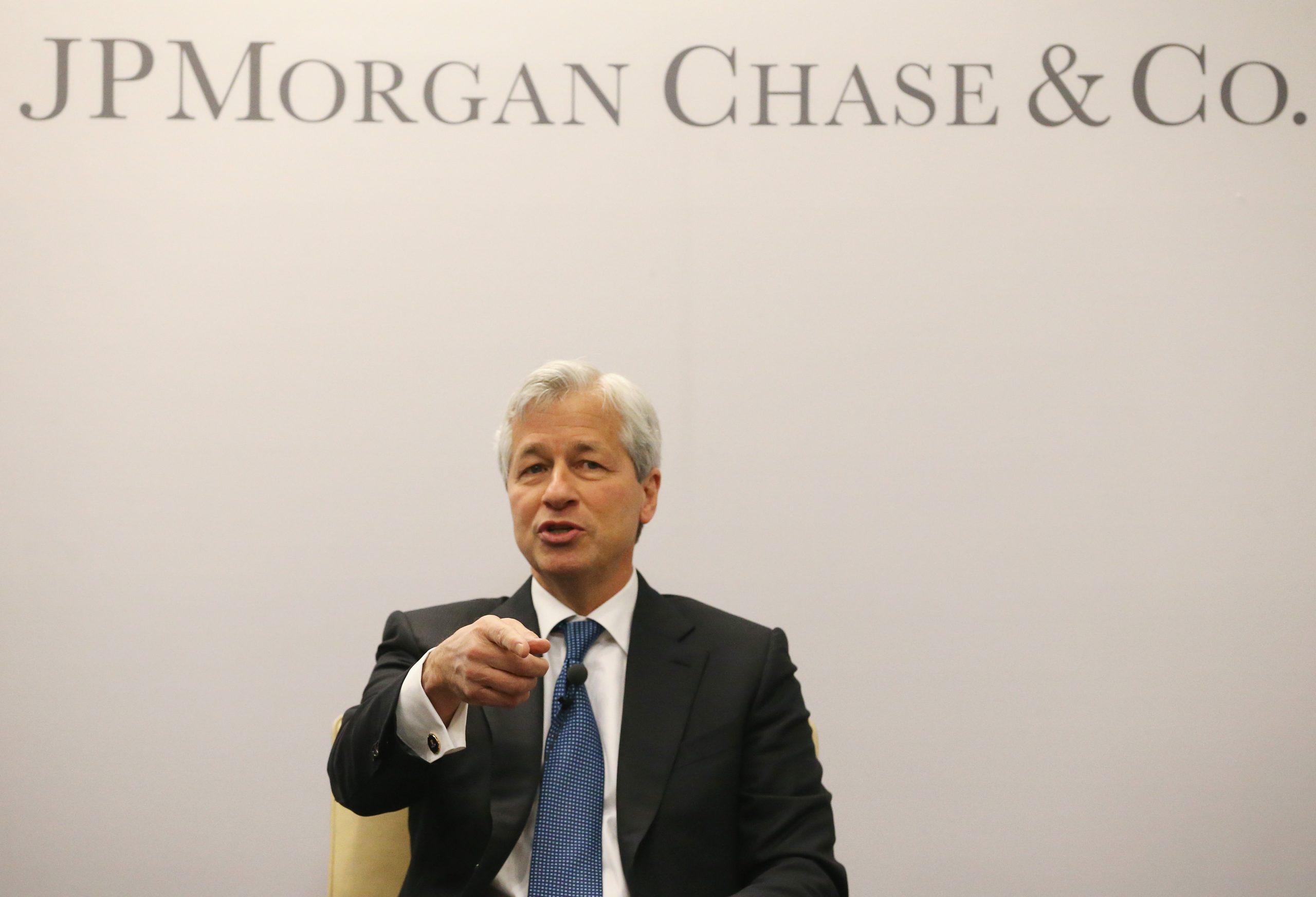
JP Morgan Chase puts contents through its CEO account, it goes viral. But the same content via JPMC account, no one cares (WSJ)

American multinational banking institution JPMorgan, has issued a stark warning to US lawmakers, stating that continued delays in passing the Digital Asset Market Clarity Act, commonly known as the Clarity Act, pose an increasing threat to the country’s crypto industry and broader financial innovation.

In a recent statement highlighted across financial and crypto circles, the banking giant emphasized that the longer approval of the legislation is postponed, the greater the potential damage to crypto markets.

JP Morgan wrote,

“The longer the approval of the Clarity Act is postponed, the greater the threat to crypto markets from the growth of tokenization and blockchain-based applications eventually being absorbed by incumbent market infrastructure rather than accruing to public crypto networks.”

The message arrives as the bill faces legislative hurdles in Congress, with a narrowing window for passage amid upcoming midterm elections and ongoing debates over key provisions.

The Clarity Act represents a significant effort to establish the first comprehensive federal framework for digital assets in the United States.

It seeks to clarify regulatory jurisdiction by drawing a clear line between assets treated as securities under the Securities and Exchange Commission (SEC) and those classified as commodities under the Commodity Futures Trading Commission (CFTC).

The bill also addresses rules for intermediaries, decentralized projects, stablecoins, and market infrastructure, aiming to replace the current enforcement-by-litigation approach with predictable guidelines that protect investors while fostering innovation.

Industry advocates have long argued that regulatory uncertainty has driven talent, capital, and projects overseas. With roughly 90% of spot crypto trading already occurring outside the US, supporters view the Clarity Act as essential for keeping America competitive in blockchain and tokenization technologies.

Proponents believe the legislation could unlock greater institutional adoption by providing the legal certainty that banks, asset managers, and traditional finance players have demanded.

JPMorgan’s position is particularly notable given the bank’s influential role in traditional finance and its own ongoing blockchain initiatives. While CEO Jamie Dimon has historically expressed skepticism toward certain aspects of crypto, including past criticisms of Bitcoin, the institution has increasingly recognized the need for clear rules.

Analysts at the bank have pointed out that unresolved issues, such as stablecoin yield and capital requirements, remain sticking points but should not derail the broader push for market structure reform.

Without the Clarity Act, experts warn that tokenization growth could primarily benefit Wall Street incumbents rather than open public networks. Delays risk further fragmenting the market and allowing other jurisdictions, such as those in Europe and Asia, to advance their own frameworks, and pull ahead.

The bill has garnered bipartisan interest and support from major players including Coinbase, BlackRock, Fidelity, and Goldman Sachs. As the Senate considers next steps ahead of the August recess period, pressure is mounting from both the crypto industry and traditional finance institutions for swift action.

JPMorgan’s latest comments underscore a growing consensus that regulatory clarity is no longer optional but necessary for the sustainable development of digital assets in the United States.

Outlook

The coming weeks are expected to be pivotal for the future of the Clarity Act. If lawmakers can advance the legislation before Congress enters its August recess, the bill would move a step closer to providing the regulatory certainty long sought by both the crypto industry and traditional financial institutions.

A successful passage could accelerate institutional participation in digital assets, encourage greater investment in tokenization and blockchain infrastructure, and strengthen the United States’ position against competing jurisdictions.

Luno Lays Off 20% of Global Workforce as Crypto Exchange Shifts to Institutional Clients

0

Luno’s decision to cut roughly 20% of its global workforce marks another significant moment in the ongoing restructuring of the cryptocurrency industry.

CEO James Lanigan confirmed that the Digital Currency Group-owned exchange is reducing its headcount as it shifts its strategic focus away from retail trading and toward institutional clients and business-to-business services.

While layoffs have become a recurring feature of the crypto sector over the past few years, Luno’s latest move highlights a broader transformation in how exchanges are positioning themselves for long-term sustainability in a rapidly evolving market.

This is not the first time Luno has taken drastic measures to reduce costs. In January 2023, the company eliminated approximately 35% of its workforce amid a prolonged crypto market downturn that followed the collapse of several major industry players.

Management cited deteriorating market conditions and declining trading activity as key reasons for the restructuring. More than three years later, the exchange finds itself making another round of cuts, but the rationale has evolved beyond market volatility.

Lanigan has pointed to greater automation and a deliberate shift toward institutional business as the primary drivers of the latest restructuring. The move reflects a wider industry trend. Retail cryptocurrency trading, once the dominant growth engine for exchanges during the 2020–2021 bull market, has become increasingly competitive and less profitable.

Lower trading volumes, tighter regulations, and the rising cost of customer acquisition have pressured exchanges to diversify their revenue streams.

Institutional clients, including asset managers, financial institutions, and corporate investors, generally generate larger transaction volumes, demand sophisticated trading infrastructure, and offer more predictable long-term business opportunities.

As a result, many exchanges are redirecting resources toward enterprise-grade products, custody services, and liquidity solutions instead of relying heavily on individual retail traders. Automation is reshaping the crypto industry.

Advances in artificial intelligence, machine learning, and cloud-based operational systems have enabled exchanges to automate compliance, customer support, fraud detection, and transaction monitoring.

While these technologies improve efficiency and reduce operating costs, they also lessen the need for large operational teams. Luno’s restructuring illustrates how technological progress is changing workforce requirements across financial technology companies, where software increasingly replaces manual processes.

The layoffs come during a difficult period for employment across the broader crypto ecosystem. Only weeks before Luno’s announcement, exchanges including AscendEX, BitMEX, and BitMart either reduced operations or shut down entirely, reflecting continued pressure on smaller and mid-sized platforms.

Largely, instead of prioritizing rapid expansion fueled by speculative retail trading, many companies are emphasizing profitability, operational efficiency, and sustainable business models.

Investors are increasingly rewarding firms that demonstrate disciplined cost management and diversified revenue sources rather than aggressive hiring during market booms. For employees, however, the transition remains painful.

Thousands of professionals across engineering, marketing, compliance, and customer support continue to face uncertainty as companies streamline operations. New opportunities are emerging in specialized areas such as institutional infrastructure, blockchain security, tokenization, digital asset custody, and artificial intelligence-driven financial services.

While overall employment growth has slowed, demand for highly skilled professionals remains resilient. Luno’s latest workforce reduction therefore represents more than another round of layoffs.

As automation accelerates and competition intensifies, crypto companies are likely to continue reshaping their organizations to align with a future defined by efficiency, enterprise services, and long-term resilience.