DD
MM
YYYY

PAGES

DD
MM
YYYY

spot_img

PAGES

Home Blog Page 813

The Delay In The $PUMP Airdrop Underscores A Tension Between Short-Term Market Expectations And Long-Term Goals

0

Pump.fun co-founder Alon Cohen confirmed in a July 23, 2025, interview with Michael “ThreadGuy” Jerome that the anticipated $PUMP token airdrop will not occur in the immediate future. Cohen emphasized that while an airdrop is still planned, the focus is on ensuring it is meaningful and well-executed, prioritizing ecosystem development and long-term growth over short-term hype.

This announcement led to a significant market reaction, with the $PUMP token dropping 17.7% in a day, falling below its initial coin offering price of $0.004 to around $0.00305-$0.003243, and losing over 50% of its value since its July 16 peak. Major meme coins like DOGE, PEPE, and Pump.fun-created tokens such as GOAT, Moo Deng, and Peanut the Squirrel also saw double-digit declines.

Cohen’s transparency aims to shift focus to utility and governance features, but it has triggered volatility, with investors like Machi Big Brother holding long positions despite losses, while others, including two whale wallets, dumped 1.25 billion $PUMP tokens at a $1.19 million loss. Large-scale sell-offs, such as the two whale wallets dumping 1.25 billion $PUMP tokens at a $1.19 million loss, suggest panic or strategic exits by significant holders, further fueling volatility.

Cohen’s emphasis on a “meaningful” airdrop and ecosystem development over short-term hype signals a pivot toward long-term sustainability. This could involve enhancing utility (e.g., governance features or platform integrations) rather than relying on speculative airdrop-driven price pumps. This approach may attract more serious investors but risks alienating the speculative retail base that drives much of the meme coin market’s momentum.

Pump.fun’s platform, which enables easy meme coin creation, has been a key driver of its popularity. Delaying the airdrop may slow the creation of new tokens on the platform, as speculative interest wanes, potentially reducing transaction fees and platform activity. The announcement could strain community trust, especially among users expecting quick rewards. However, Cohen’s transparency might resonate with those who value long-term vision over immediate gains.

The decline in related meme coins suggests that Pump.fun’s decisions have a systemic impact. As a platform responsible for launching numerous tokens, its strategic shifts could dampen enthusiasm for meme coins overall, especially in a market already sensitive to sentiment-driven volatility. Many retail investors and some whales were likely banking on the airdrop to boost $PUMP’s price, as airdrops often create short-term price spikes due to hype and increased liquidity.

The delay has led to sell-offs, as seen with the whale wallets dumping tokens at a loss, reflecting a focus on quick profits. Others, like Machi Big Brother, who continues to hold despite losses, appear to align with Cohen’s vision of building a sustainable ecosystem. These investors may prioritize governance features, platform growth, or future utility over immediate price gains. Whales and institutional players, while also affected (as seen with the $1.19 million loss), may have more capacity to weather volatility and align with strategic goals like ecosystem development.

The delay in the $PUMP airdrop underscores a tension between short-term market expectations and long-term strategic goals. While it has triggered volatility and exposed divisions within the community, it also offers Pump.fun an opportunity to redefine its value proposition. The project’s success will depend on balancing the needs of its speculative retail base with the vision of building a sustainable ecosystem.


Quantum Solutions To Acquire 3000 Bitcoin Over The Next 12 Months

0

Quantum Solutions Co., Ltd., a Tokyo Stock Exchange-listed AI firm, announced its plan to acquire up to 3,000 Bitcoin (BTC) over the next 12 months as part of a strategic Bitcoin treasury initiative. This move, valued at approximately $350 million at current market prices, aims to hedge against inflation, yen depreciation, and global financial uncertainties. The initiative is managed by its Hong Kong subsidiary, GPT Pals Studio Limited, with an initial $10 million investment from Integrated Asset Management (Asia) Limited, a firm known for acquiring Forbes Media in 2014.

The company views Bitcoin as a long-term reserve asset, citing its growing acceptance as “digital gold” and increasing institutional interest. The acquisition will be phased, with a focus on security, regulatory compliance, and risk management, using segregated cold and hot wallet systems. Quantum Solutions aims to become Japan’s second-largest corporate Bitcoin holder, behind Metaplanet (16,352 BTC), surpassing firms like Remixpoint (1,051 BTC). This reflects a broader trend of Japanese companies, including Kitabo and ANAP Holdings, adopting Bitcoin to diversify reserves amid rising bond yields and economic pressures.

By allocating up to $350 million to Bitcoin, Quantum Solutions aims to protect its treasury against inflation and yen depreciation, especially amid Japan’s rising bond yields and economic uncertainties. This mirrors a global trend where companies like MicroStrategy and Tesla have adopted Bitcoin as a reserve asset. As a TSE-listed AI firm, this move could enhance Quantum Solutions’ appeal to investors seeking exposure to both AI and cryptocurrency markets, potentially boosting its stock price. However, it also introduces volatility risks tied to Bitcoin’s price fluctuations.

Aiming to become Japan’s second-largest corporate Bitcoin holder behind Metaplanet, Quantum Solutions could gain a first-mover advantage among Japanese firms, signaling confidence in Bitcoin’s long-term value. Quantum Solutions joins other Japanese firms like Metaplanet, Kitabo, and ANAP Holdings in embracing Bitcoin. This could encourage more TSE-listed companies to diversify into cryptocurrencies, especially as Japan’s regulatory environment becomes more crypto-friendly.

With Japan facing a weakening yen and rising bond yields, Bitcoin adoption by corporations may signal distrust in traditional financial instruments, potentially pressuring policymakers to address currency stability. The acquisition reinforces Bitcoin’s growing legitimacy as a corporate treasury asset, potentially spurring further institutional investment globally. It aligns with trends in the U.S. and Europe, where firms are increasingly holding Bitcoin to hedge against fiat currency risks.

Purchasing 3,000 BTC could exert upward pressure on Bitcoin’s price, especially if executed in a short timeframe, given the asset’s limited supply (21 million cap). This could also inspire similar moves in Asia, amplifying demand. Bitcoin’s price volatility could impact Quantum Solutions’ financial stability, especially if market conditions sour. While Japan has a relatively progressive crypto regulatory framework, increased corporate adoption could attract stricter oversight.

Despite plans for secure storage (cold and hot wallets), the risk of cyberattacks or mismanagement remains a concern. Advocates, including Quantum Solutions, view Bitcoin as “digital gold” with strong long-term potential due to its scarcity, decentralized nature, and growing institutional acceptance. They argue it offers a hedge against fiat currency devaluation and aligns with innovative, forward-thinking corporate strategies.

Skeptics, including some institutional investors and central banks, argue Bitcoin’s volatility, lack of intrinsic value, and regulatory uncertainties make it a risky treasury asset. They favor traditional safe-havens like bonds or gold, especially in stable economies like Japan. Firms like Quantum Solutions, Metaplanet, and MicroStrategy are betting on Bitcoin’s long-term appreciation, willing to accept short-term volatility for potential gains. These companies often have high risk tolerance and align with tech-driven or innovative sectors.

While developed markets like Japan and the U.S. see growing corporate interest, emerging markets often lack the infrastructure or regulatory clarity to support similar strategies, widening the gap in global adoption. Retail and institutional investors bullish on crypto may view Quantum Solutions’ move as a positive signal, potentially driving demand for its stock and Bitcoin itself.

Quantum Solutions’ Bitcoin acquisition plan positions it as a bold player in Japan’s corporate landscape, potentially catalyzing further adoption while highlighting the risks of volatility and regulatory scrutiny. The move underscores a broader divide between those embracing Bitcoin as a transformative asset and those adhering to traditional financial strategies.

Dangote 3.0 Begins As Aliko Dangote Resigns as Chairman of Dangote Cement

0

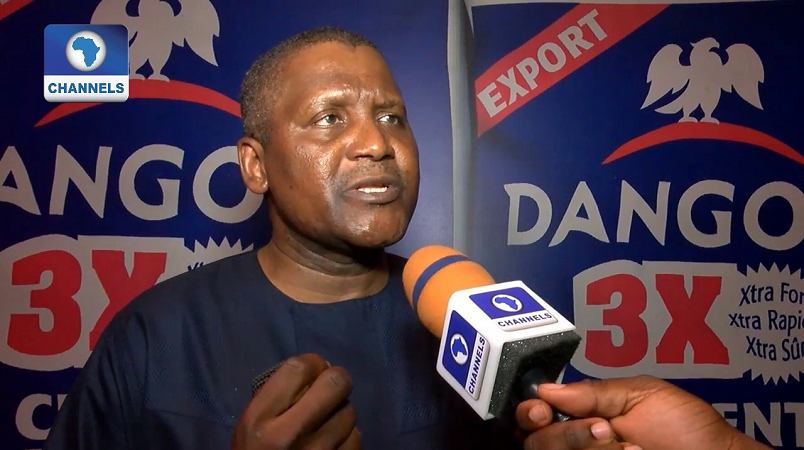
Aliko Dangote 3.0 begins: “Aliko Dangote has officially stepped down as Chairman and Director of Dangote Cement Plc, marking a significant shift in the leadership structure of the company he built into Africa’s largest cement producer. The decision, announced in a statement released Friday, takes immediate effect and signals what analysts describe as another bold move by the billionaire to sustain his legacy while sharpening the conglomerate’s focus on its most critical frontier — oil and gas. Mr Emmanuel Ikazoboh, an Independent Non-Executive Director, has been named the new Chairman of the Board, succeeding Dangote.”

That 3.0 will focus on expanding his diversified conglomerate with oil & gas at the heart of it. With a potential deep seaport loading, the Dangote seaport will disintermediate not just other ports in Nigeria but also the Port of Lome in Togo. Yes, he will run his seaport end-to-end that no other port will have a chance.

Why? You load in Germany or China, and want the items delivered to a warehouse in Onitsha or Kano or Ibadan, Dangote deep seaport will link to Dangote trucks to make that happen. In other words, they will deliver to your doorsteps! That is an asymmetric advantage in Nigeria.

From my point of view, Aliko Dangote has undergone three phases as a businessman.

  • Dangote 1.0: The 1970s mercantilist trader who was buying and selling cotton and other commodities.
  • Dangote 2.0: The 1990s cement magnate and industrialized conglomerate builder
  • Dangote 3.0: The 2020s oil and gas generation-shaping businessman building the most advanced oil and gas empire in continental Africa.

Dangote Steps Down as Chairman of Dangote Cement to Focus on Refinery and Strategic Expansion

0

Nigerian businessman and philanthropist Aliko Dangote has officially stepped down as Chairman and Director of Dangote Cement Plc, marking a significant shift in the leadership structure of the company he built into Africa’s largest cement producer.

The decision, announced in a statement released Friday, takes immediate effect and signals what analysts describe as another bold move by the billionaire to sustain his legacy while sharpening the conglomerate’s focus on its most critical frontier — oil and gas.

Mr Emmanuel Ikazoboh, an Independent Non-Executive Director, has been named the new Chairman of the Board, succeeding Dangote. The company also announced board changes, including the retirement of Professor Dorothy Ufot and the appointment of Hajiya Mariya Aliko Dangote.

According to the statement, Dangote’s exit from the cement board is intended to enable him to focus more deeply on the Dangote Group’s core strategic areas, particularly the multibillion-dollar Dangote Refinery, along with the group’s Petrochemicals, Fertiliser, and Government Relations operations. These segments are considered vital to the group’s five-year growth strategy.

Industry analysts believe that Dangote’s exit from the cement board is not a retreat but a calculated pivot toward the segment of his business that could redefine Nigeria’s industrial landscape — the oil sector. With the recently commissioned 650,000 barrels-per-day Dangote Refinery expected to dramatically reduce Nigeria’s dependence on imported fuel and transform the country’s downstream oil industry, Dangote’s move signals where he believes the future of his empire — and Nigeria’s economy — now lies.

Dangote has touted the refinery as having the potential to change the narrative on energy self-sufficiency for Nigeria and West Africa.

Legacy Cemented in Cement

Aliko Dangote exits Dangote Cement on a high note. Under his chairmanship, the company evolved from a local cement manufacturer into Africa’s largest cement producer, with an installed production capacity of 52.0 million metric tons per annum (Mta), including 35.25Mta in Nigeria alone. Expansion projects in Côte d’Ivoire and Itori, Ogun State, are expected to raise total capacity to 61.0Mta by year-end.

This transformation has not only reshaped construction and infrastructure across sub-Saharan Africa but also turned Dangote Cement into one of the most profitable corporations on the continent.

In the first half of 2025, the company posted its highest-ever financial results, with group revenue rising by 17.7% to N2.07 trillion and EBITDA growing 41.8% to N944.9 billion. Profit before tax surged 149% to N730 billion, while profit after tax climbed 174% to N520.5 billion. The company also reported an 18.2% rise in export volumes, with multiple clinker shipments to Ghana and Cameroon.

New Leadership, Continued Vision

Emmanuel Ikazoboh, the new board chairman, described his appointment as “an honor,” pledging to maintain “the highest standards of leadership and dedication.” He hailed Dangote Cement as “a beacon of African enterprise” and committed to upholding its reputation through operational efficiency, sustainability, and strategic expansion.

“We will continue to invest in innovation and alternative energy to reduce reliance on fossil fuels, while boosting employee capacity and community engagement,” Ikazoboh said.

His leadership is expected to usher in a new phase for the company as it targets regional market consolidation and explores decarbonization strategies amid rising ESG (Environmental, Social, and Governance) pressures globally.

For Dangote, who remains President/CEO of the Dangote Group, the move suggests an even deeper personal involvement in steering the refinery through its early years. The project, which has faced several delays, finally commenced production and is gradually beginning to ship products to Nigerian marketers, though price and distribution remain points of speculation.

Analysts believe his full attention on the refinery may help overcome lingering regulatory, logistical, and pricing hurdles that could affect its national and continental impact. With growing anticipation that refined products from the Dangote Refinery could dominate West African markets and significantly impact fuel pricing in Nigeria, the stakes are high — and so is the promise.

U.S. Vice President Sees AI as an Opportunity, Not a Job Killer – Says U.S. Is ‘Under-Indexed in Technology’

0

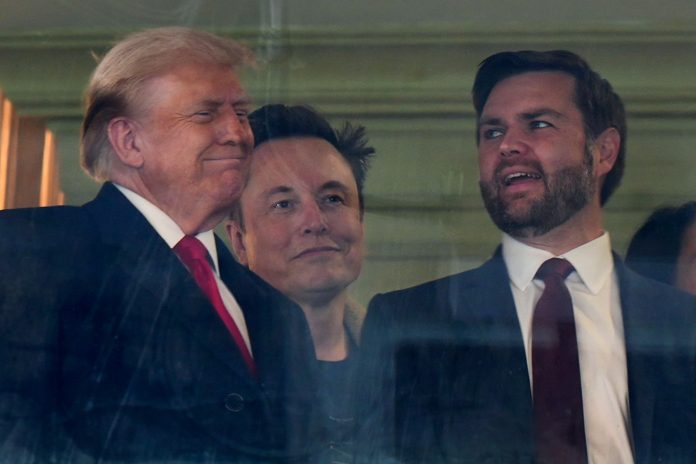
At the Winning the AI Race summit in Washington, D.C., Vice President JD Vance pushed back against rising fears that AI and robotics will wipe out jobs across the U.S. economy, particularly in transportation and manufacturing.

Speaking directly to concerns raised by entrepreneur Jason Calacanis, who warned that AI-powered systems like self-driving cars and Elon Musk’s Optimus robot could decimate jobs in driving and factories, Vance offered a different assessment.

“If the robots were coming to take all of our jobs, you would see labor productivity skyrocketing in this country. But actually, you see labor productivity flatlining,” Vance said. “What that means, from my perspective, is that our country is under-indexed in technology, not over-indexed.”

His argument was simple but striking: if AI were truly replacing workers en masse, productivity would surge. Instead, he pointed to years of stagnating productivity as evidence that the real problem is the underuse of technology, not its overreach.

Real-World Proof: Hadrian’s AI-Powered Factory to Add 350 Jobs

Backing Vance’s position, AI-focused defense tech startup Hadrian announced it had raised $260 million in Series C funding to build a new 270,000-square-foot facility in Mesa, Arizona. Despite its heavy use of automation and robotics, Hadrian’s “Factory 3” is expected to create 350 new manufacturing jobs.

Hadrian, which builds precision parts for aerospace and defense industries, already operates advanced automated factories in California. According to CEO Chris Power, their first factory runs 10 robots for every human employee and manufactures roughly 10,000 components per month for rockets, satellites, and defense equipment.

This model illustrates that AI and robotics are not just reducing labor—they are also creating new, highly-skilled jobs, supporting Vance’s thesis that the U.S. can grow both technologically and economically if policy encourages innovation.

Silicon Valley’s Overreliance on Foreign Talent

Vance also took aim at tech companies for claiming a STEM talent shortage while sidelining American graduates.

“If you’re not hiring American workers from out of college for these jobs, then how can you say that you have a massive shortage?” he asked.

He called for more opportunities for U.S. graduates, noting that Big Tech’s hiring patterns have leaned heavily toward foreign labor under the H-1B visa program, while many American STEM students remain underemployed.

Vance’s speech is also part of a broader push by the Trump administration to keep regulation of AI minimal. At a separate event in Paris earlier this year, Vance declined to endorse the European Union’s AI safety pledges, criticizing the bloc’s “excessive regulation” and reaffirming the U.S. position in favor of innovation-first policies.

“We’re not going to slow down American innovation because Europe has chosen to shackle theirs,” he reportedly said.

This puts Washington and Brussels at opposite ends of the regulatory spectrum, with China also rising as a competitive force, having recently launched its own GPT-4 competitor, DeepSeek R1—an event that has rattled U.S. investors and heightened urgency around maintaining technological leadership.

Vance’s remarks support a shift from fear-based narratives to opportunity-driven discussions around AI. Rather than viewing automation as a job killer, he painted a picture of technology as a growth engine—one that, with the right policies, could rebuild American manufacturing and strengthen the labor force.

Hadrian’s robotic factory suggests that this vision is already being realized on the ground. And with the Trump administration firmly behind AI innovation, Washington is betting big that the next wave of technological advancement won’t erase jobs—it will build them.