DD
MM
YYYY

PAGES

DD
MM
YYYY

spot_img

PAGES

Home Blog Page 820

Okomu Oil Delivers 459% Pre-tax Profit in Q2 as Nigeria’s Palm Oil Sector Maintains Growth

0

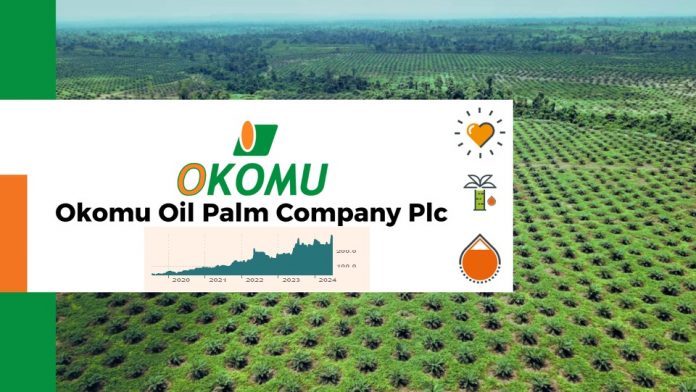
Okomu Oil Palm Plc has posted a remarkable performance for the second quarter ended June 30, 2025, with pre-tax profit surging 459% year-on-year to N34.841 billion, up from N6.236 billion in Q2 2024.

The result exceeded the company’s forecast by over 238%, reflecting sustained momentum in Nigeria’s expanding palm oil industry.

This stellar showing brings Okomu’s half-year pre-tax profit to N67.053 billion, placing the company among the top-performing agribusinesses on the Nigerian Exchange.

The company’s earnings continue to be driven by strong top-line growth. In Q2 alone, revenue rose 128% to N71.724 billion, powered largely by local sales, which accounted for more than 92% of total revenue. On a year-to-date basis, revenue has hit N129.834 billion, a 73% increase over the same period in 2024.

While the cost of sales also climbed, rising 36% to N27.411 billion, the growth was significantly outpaced by revenue, boosting gross profit by 289% to N44.313 billion and improving gross margin to 62%, one of the strongest in the sector.

Operating expenses rose to N8.946 billion, a 56.7% jump, but were easily absorbed by the wider revenue base. Notably, finance costs dropped sharply to N547 million, down from N2.9 billion in Q2 2024, as foreign exchange revaluation losses that previously dragged earnings eased.

Net profit after tax rose 404% to N25.799 billion, highlighting not just sales momentum, but also improved cost efficiency and financial discipline.

As of the end of June 2025, total assets stood at N159.911 billion, a 36.6% increase from December 2024. Retained earnings also grew to N76.693 billion, reflecting a healthy balance sheet and the company’s capacity for reinvestment and dividend payout.

The strength of Okomu’s numbers is further underlined by its stock market performance. As of July 23, 2025, its share price stood at N930, with a year-to-date return of 109.46%, outperforming many listed industrial and agribusiness peers.

Nigeria’s Palm Oil Sector-wide Growth

Okomu’s stellar performance mirrors a broader boom in Nigeria’s palm oil sector, which has seen accelerated growth in recent years due to increasing domestic demand.

According to data from the National Bureau of Statistics (NBS), palm oil remains one of Nigeria’s fastest-growing agricultural commodities. Nigeria is currently experiencing a significant palm oil deficit, estimated to be around 900,000 metric tons, valued at $800 million. This deficit is largely due to a gap between domestic production and consumption, with imports filling the shortfall. This means the market opportunity remains vast.

Other sector players are also reaping the rewards of this expansion. Presco Plc, another major player in the industry, reported a 114% increase in post-tax profit to N23.39 billion in Q2 2025, driven by a 92% surge in revenue to N56.2 billion. Like Okomu, Presco is also benefiting from a strong uptick in local demand and higher prices for crude palm oil, soap noodles, and related by-products.

These companies have been shielded from the worst effects of forex scarcity by their naira-based operations. Their vertical integration, which includes plantations, mills, and processing plants, has given them a cost advantage and pricing power in a market that is still underserved.

With Nigeria’s growing population and increasing demand for palm oil-based products—including food, cosmetics, and biofuels—the sector is expected to maintain momentum through the second half of 2025.

Okomu Oil is expected to continue leveraging this favorable macroeconomic environment. Analysts project further earnings growth as the company reinvests in expanding plantation capacity and upgrading processing technology to enhance efficiency.


How Mobile-First Design Changed the Way We Gamble Online

0

Mobile phones have transformed nearly every aspect of our lives, reshaping how we communicate, work, learn, and interact with the world. From their humble beginnings as simple communication devices, they have evolved into powerful tools that influence our daily routines, relationships, and even changed industries like entertainment. The mobile-first method gives users smooth experiences on phones and tablets first. People are no longer annoyed by old computer systems, which were often slow and ugly. The mobile-first method helps new gaming systems give players simple, fast, and interesting experiences when playing slots, poker, or live dealer games. This makes it easier for users to access virtual betting, bringing it to more people and attracting a diverse group of users.

The Shift to Mobile-First Design

Mobile-first design revolves around creating websites and apps that function efficiently on phones and tablets. This approach has changed online gambling by addressing the issues of slow and difficult-to-use websites, which were originally designed for computers and frustrated many people. By focusing on mobile-first design, current platforms offer simple interfaces, allowing players to enjoy games from any location.

This aligns with the growing dominance of mobile devices in online gaming.  Most online casino traffic now comes from smartphones and tablets, and in order to meet this demand, Industry expert Marta Cutajar reports that some of the best casinos have simplified their interfaces by providing smooth performance whether players are spinning slots or joining a virtual poker table. This mobile-first focus improves accessibility greatly and also creates a more engaging and enjoyable experience for players. By combining secure, transparent operations with cutting-edge mobile design, the best casinos deliver unmatched value and entertainment for today’s players. (Source: https://gamblingindustrynews.com/online-casinos/)

Key Ways Mobile-First Design Transformed Online Gambling

Mobile-first design has introduced several innovations, and here are the most significant changes:

  • Better Access: Mobile platforms allow players to access games anytime and anywhere. Users can play slots, poker, and live dealer games with a few taps on their phones.
  • Simple User Interface: Mobile design emphasizes clean, user-friendly layouts. Menus are straightforward, buttons are easy to press, and games load quickly even with slower internet connections.
  • Touchscreen Usage: Touch-based controls enhance game engagement. Swiping to spin or tapping to bet feels intuitive and improves user experience.
  • Push Notifications and Customization: Mobile apps send alerts about deals, new games, or live events, maintaining player interest. Game suggestions based on habits enhance the user experience.
  • Better Payment Methods: Mobile platforms use simple payment options like digital wallets and quick deposits, which make transactions quicker and safer.

These changes have improved how people use online casinos and brought in more players, from beginners to experienced gamblers.

The Role of Technology in Mobile Gambling

The move to mobile-first design in online gambling is a reason for its success. Casinos have made great graphics and real-time gameplay possible thanks to fast internet, quality smartphones, and better app creation. Live dealer games, once exclusive to desktops, now stream easily onto mobile devices, so the excitement of gaming is on your screen.

This mobile-first design goes with the growing need for platforms that use technology that is able to work on all devices, making sure the experience is the same whether you’re using an iPhone, Android, or tablet.

Challenges and Solutions

Display space is limited on smaller screens, and some games might not work on all devices. To fix this, developers create adaptable designs that fit different screen sizes without losing quality, that cater to a user’s preference. Plus, HTML5 allows games to be played across different platforms on pretty much any machine.

Another issue is the protection of mobile platforms. Online casinos must emphasize encryption and secure payment options because cyber attacks are becoming more common. This protects user information and transactions. Players can then bet, sure that their information is safe.

The Future of Mobile-First Gambling

The online gambling industry will probably focus more on mobile technology going forward. Researchers are always looking into technology like AR and VR to make mobile gaming better. Just think about playing at an online casino and being able to talk to dealers and other players in 3D. Also, AI could change the way you engage by suggesting new games and deals that you might like. They’ll also give users quick and easy entertainment that they can take with them anywhere.

Conclusion

Mobile-first design has changed online gambling. It gives millions of players around the globe easy-to-use and interesting games using simple designs and new tech. Gaming is the most popular mobile activity, with 68% of users, followed by listening to music 67%, showing how important these devices have become. With new things like AI that change games for each person and AR/VR that make them feel real, mobile gambling is getting ready to give even better and more personal fun. This makes it a key part of the digital gaming world.

BitMine’s 5% Pursuit of ETH Supply Could Reshape Ethereum’s Market Dynamics

0

BitMine Immersion Technologies (BMNR) has announced the commencement of stock options trading on the NYSE on July 23, 2025, with a goal to acquire 5% of the global Ethereum (ETH) supply. BitMine Immersion Technologies (NYSE: BMNR) began trading stock options on the New York Stock Exchange on July 23, 2025, under the ticker symbol “BMNR.”

The company aims to acquire 5% of the global ETH supply as part of its treasury strategy, positioning itself to become one of the largest institutional holders of Ethereum. This move is expected to enhance investor access, increase stock liquidity, and provide tools for risk management and position leverage. BitMine has already amassed over $1 billion in ETH holdings (300,657 ETH as of July 17, 2025) and plans to allocate $177 million from a recent $182 million investment by ARK Invest to acquire more Ethereum.

The strategy has drawn significant attention from institutional investors, including Founders Fund and ARK Invest, with the latter acquiring 4,773,444 shares of BMNR. Acquiring 5% of ETH (approximately 6 million ETH, based on a total supply of ~120 million ETH) could reduce circulating supply, potentially driving up ETH prices due to scarcity, especially if BitMine stakes these tokens, locking them in Ethereum’s Proof-of-Stake (PoS) system.

BitMine’s rapid accumulation (from $500M to $2B in ETH holdings in weeks) has already contributed to ETH price surges (104% in three months). Large-scale buying could amplify volatility, impacting retail and institutional investors. BitMine’s Chairman, compares this strategy to MicroStrategy’s Bitcoin holdings, suggesting a “Wall Street put” where institutional demand creates implicit downside protection for ETH prices, attracting more investors.

Staking 5% of ETH supply would make BitMine a major player in Ethereum’s PoS consensus, enhancing network security by increasing staked assets. However, it raises concerns about centralization, as a single entity controlling such a large stake could influence governance or validator dynamics, challenging Ethereum’s decentralized ethos. Staking could yield 4-5% annualized returns, providing BitMine with passive income and reinforcing its financial model, but it may shift focus from smaller validators, potentially marginalizing retail stakers.

BitMine’s NYSE options trading launch and backing from investors like ARK Invest ($182M stake) and Peter Thiel’s Founders Fund (9.1% stake) signal growing institutional confidence in Ethereum. This could accelerate mainstream adoption, bringing more capital and real-world assets on-chain. BitMine’s strategy, modeled after MicroStrategy’s Bitcoin playbook, may inspire other firms to adopt ETH as a treasury asset, especially given Ethereum’s role in DeFi and stablecoins (over 50% of stablecoin transactions occur on Ethereum).

Large-scale ETH staking could attract regulatory attention, especially if perceived as influencing network governance. BitMine’s dilutive capital raises (13x share increase) and reliance on ETH price appreciation pose risks if prices stagnate or decline. Its high price-to-sales ratio (14.4 vs. S&P 500’s 3.1) suggests overvaluation, potentially deterring cautious investors. BMNR stock surged 537% in six months but remains volatile, reflecting market sensitivity to crypto price swings and BitMine’s aggressive strategy.

A Bitcoin and Ethereum network company focused on long-term crypto accumulation, primarily through Bitcoin mining and an ETH treasury strategy. Operations include immersion-cooled mining facilities in low-cost energy regions (Trinidad, Texas) and advisory services for Bitcoin-denominated revenues. Acquire and stake 5% of ETH supply, positioning itself as a major institutional holder and leveraging staking yields and capital markets.

A crypto-focused investment manager offering ETFs, ETPs, and funds (e.g., Bitwise Bitcoin ETF, Bitwise Ethereum Strategy ETF). Focuses on providing investors exposure to crypto assets through regulated financial products, not direct acquisition of 5% of ETH supply. Directly acquires and stakes ETH to build a corporate treasury, aiming to influence Ethereum’s ecosystem and benefit from price appreciation and staking yields. Its NYSE options trading enhances liquidity and investor access.

BitMine positions itself as a crypto-native company transitioning from Bitcoin mining to an Ethereum treasury model, appealing to investors interested in direct crypto holdings and blockchain participation. BitMine’s high-profile moves (backed by Thiel, ARK Invest, and Tom Lee) have garnered more attention, while Bitwise remains focused on regulatory-compliant investment products, creating a clear divide in their roles within the crypto ecosystem.

BitMine’s pursuit of 5% of ETH supply could reshape Ethereum’s market dynamics, enhance network security, and accelerate institutional adoption, but it risks centralization and regulatory challenges. The divide between BitMine and Bitwise lies in their core strategies: BitMine is a direct crypto accumulator and staker, while Bitwise provides investment vehicles for broader market exposure

FTX Sets September 30, 2025, As Next Round Of Creditor Payouts

0

FTX is set to begin its next round of creditor payouts on September 30, 2025, following court approval to release $1.9 billion from its disputed claims reserve, reduced from $6.5 billion to $4.3 billion. The distribution will cover Class 5 Customer Entitlement Claims, Class 6 General Unsecured Claims, and certain Convenience Claims approved after prior rounds but not yet paid. The record date for eligibility is August 15, 2025.

Creditors must complete KYC verification, submit tax forms, and onboard with BitGo, Kraken, or Payoneer by this date to receive funds. Distributions will be in fiat, based on asset values at the time of FTX’s November 2022 bankruptcy, when Bitcoin was valued between $16,000 and $20,000. This has sparked some creditor dissatisfaction due to the crypto market’s subsequent recovery.

Approximately $470 million in claims, including those from restricted jurisdictions like China and Russia, remain frozen. This marks the third major distribution in 2025, following payouts on February 18 and May 30. The distribution of $1.9 billion from the $4.3 billion claims reserve will provide relief to creditors, including retail investors and institutional claimants, who lost funds in FTX’s 2022 collapse.

However, payouts based on 2022 asset values (e.g., Bitcoin at $16,000–$20,000) mean creditors will not benefit from the crypto market’s recovery, where Bitcoin now trades significantly higher (around $60,000–$70,000 as of recent trends). This could result in substantial financial losses relative to current market values.

The payout will inject liquidity into the hands of creditors, potentially boosting consumer spending or reinvestment in crypto or other assets. However, the fiat-based distribution may limit direct reinvestment into cryptocurrencies, tempering bullish impacts on the market. The FTX case sets a benchmark for handling crypto exchange insolvencies.

The structured payout process, including KYC requirements and third-party payment platforms (BitGo, Kraken, Payoneer), may become a model for future crypto-related bankruptcy proceedings, emphasizing regulatory compliance and creditor verification. The payout could signal progress in resolving one of crypto’s largest failures, potentially restoring some confidence in the industry. However, creditor frustration over locked-in 2022 valuations may fuel negative sentiment, highlighting the risks of centralized exchanges and volatility in crypto valuations.

If creditors convert fiat payouts into crypto or other assets, it could influence market dynamics. Conversely, if large creditors sell off received funds, it might create localized selling pressure in specific markets. The FTX payout underscores the need for robust regulation in crypto. The exclusion of claimants from restricted jurisdictions (e.g., China, Russia) reflects geopolitical and compliance challenges, potentially pushing regulators to tighten rules on cross-border crypto transactions.

The court’s decision to prioritize certain claim classes (e.g., Class 5 Customer Entitlement Claims) over others may influence future bankruptcy rulings, particularly in balancing retail versus institutional creditor interests. The requirement for creditors to complete KYC, tax forms, and onboarding by August 15, 2025, may exclude some claimants, particularly those in restricted jurisdictions or with incomplete documentation. This could lead to delays or forfeitures, further complicating the process.

The $470 million in frozen claims highlights ongoing legal and geopolitical hurdles, potentially prolonging disputes and delaying full resolution. Retail creditors, often individual investors, feel shortchanged by payouts based on 2022 crypto prices, as they miss out on the market’s recovery. Institutional creditors, with larger claims and legal resources, may be better positioned to navigate the process but share similar frustrations over locked-in valuations.

This has sparked vocal criticism on platforms like X, where some creditors argue the bankruptcy process favors FTX’s estate over claimants. Posts on X highlight sentiment that creditors are “getting pennies” compared to potential recoveries at current market prices. Creditors in jurisdictions like the U.S. and Europe can access payouts via BitGo, Kraken, or Payoneer, while those in restricted countries (e.g., China, Russia) face frozen claims due to sanctions or regulatory barriers.

Creditors who complete KYC and onboarding by August 15 will receive funds, while those unable or unwilling to comply (e.g., due to privacy concerns or logistical issues) risk missing out. Some creditors view the payout as a step toward closure, appreciating any recovery after FTX’s collapse. Others, expecting higher returns based on current crypto prices, see the process as unfair and inadequate.

The FTX payout on September 30, 2025, is a pivotal moment in resolving one of crypto’s biggest scandals, but it also exposes deep divides among creditors and stakeholders. While it offers partial financial relief, the valuation methodology, compliance requirements, and jurisdictional restrictions highlight inequities that may shape future crypto bankruptcy frameworks.

Google Commits $37 Million to Accelerate AI Development Across Africa

0
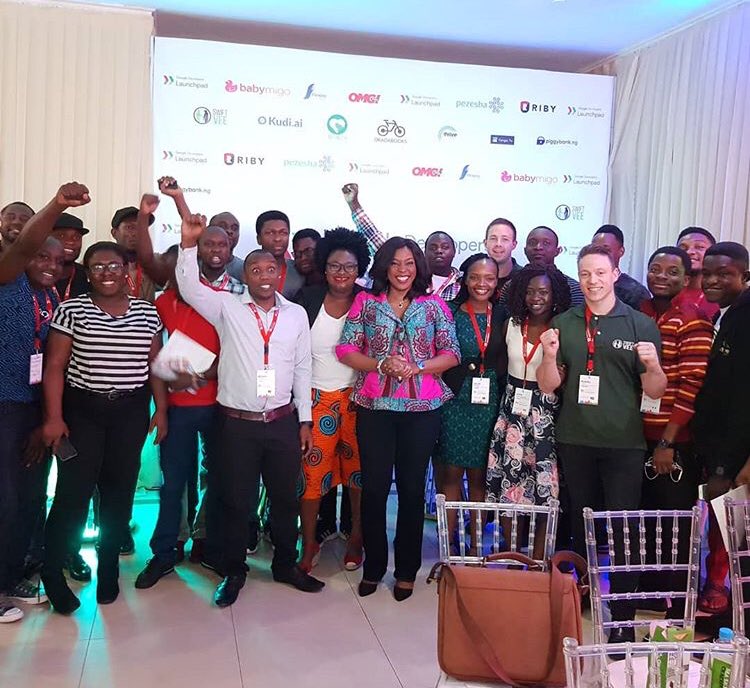
Google Launchpad ACCELERATOR

Google has announced a sweeping $37 million investment to boost the development and ethical deployment of artificial intelligence (AI) across Africa, marking its most ambitious commitment to the continent’s tech industry yet.

The initiative, announced Thursday, is aimed at transforming AI access and infrastructure while supporting real-world solutions to Africa’s most pressing challenges—from food insecurity and language barriers to skills shortages and innovation gaps.

The package includes previously undisclosed funding and extends across AI research, infrastructure, talent development, and scalable startup support. Google said the plan reflects its long-term commitment to fostering AI that is not only globally competitive but also deeply rooted in African needs and realities.

At the heart of the investment is the AI Collaborative for Food Security, a $25 million initiative spearheaded by Google.org. The program brings together researchers and nonprofit organizations to build AI-powered tools that can predict hunger outbreaks, improve crop resilience, and offer real-time agricultural advice to smallholder farmers. These tools aim to strengthen Africa’s fragile food systems in the face of mounting climate shocks and economic volatility.

In a region where over 280 million people face food insecurity, Google says the collaboration will leverage AI to create data-driven interventions that can help mitigate risks before they escalate into crises. This aligns with broader efforts to use technology for sustainable development across Africa’s agricultural economies.

Another major pillar of Google’s strategy is linguistic inclusion. With over 2,000 languages spoken across the continent, language barriers remain a significant impediment to internet access and digital literacy. To address this, Google awarded $3 million to the Masakhane Research Foundation, a collective working on AI models tailored to over 40 African languages.

The grant will support the creation of high-quality datasets, natural language processing tools, and voice applications. According to Google, this work will help millions of Africans access services and digital content in their native languages, broadening internet reach and fostering cultural preservation through AI.

Recognizing Africa’s fast-growing tech ecosystem, the tech giant is also launching a catalytic funding initiative that will support more than 100 early-stage AI startups operating in agriculture, education, and healthcare. The support will blend philanthropic capital with venture investment and technical mentorship to scale startups solving local problems.

To support this ecosystem, Google unveiled plans to open Africa’s first AI Community Center in Accra, Ghana. The center will serve as a hub for collaborative learning, research, and community innovation. Programs will focus on AI literacy, social impact applications, and intersections with the arts, aiming to provide hands-on experience and foster homegrown talent.

Google’s push into education also includes 100,000 new Google Career Certificate scholarships in Ghana. These self-paced programs offer training in AI, cybersecurity, data analytics, and other digital fields. Google.org will complement this with an additional $7 million investment to support AI education across Nigeria, Kenya, South Africa, and Ghana. This funding will facilitate localized AI curricula, digital safety programs, and support for nonprofit partners and academic institutions.

Further, Google is making direct academic investments to nurture African AI leadership. It has awarded two $1 million research grants—one to the African Institute for Data Science and Artificial Intelligence (AfriDSAI) at the University of Pretoria, and another to the Wits Machine Intelligence and Neural Discovery (MIND) Institute in South Africa. These grants will fund foundational research and postgraduate scholarships to build the next generation of AI scientists on the continent.

Commenting on the new investment, James Manyika, Google’s SVP for Research, Labs, and Technology & Society, said: “Africa is home to some of the most important and inspiring work in AI today. We are committed to supporting the next wave of innovation through long-term investment, local partnerships, and platforms that help researchers and entrepreneurs build solutions that matter.”

This latest announcement builds on earlier projects by Google in Africa, including AI-powered maternal health dashboards in Nigeria and Ghana, wildfire alert systems in East Africa, and the development of regional language models at its research hubs in Accra and Nairobi.

The investment marks a significant moment in Africa’s digital transformation and underlines Google’s belief that the continent is not only a growth market but a potential AI leader in its own right.

“By building with local communities and institutions, we’re supporting solutions that are rooted in Africa’s realities and built for global impact,” said Yossi Matias, VP of Engineering and Research at Google.