DD
MM
YYYY

PAGES

DD
MM
YYYY

spot_img

PAGES

Home Blog Page 828

Coinbase Launches CFTC-Regulated Perpetual futures Trading Amid Strategy’s IPO of STRC Dividend Product

0

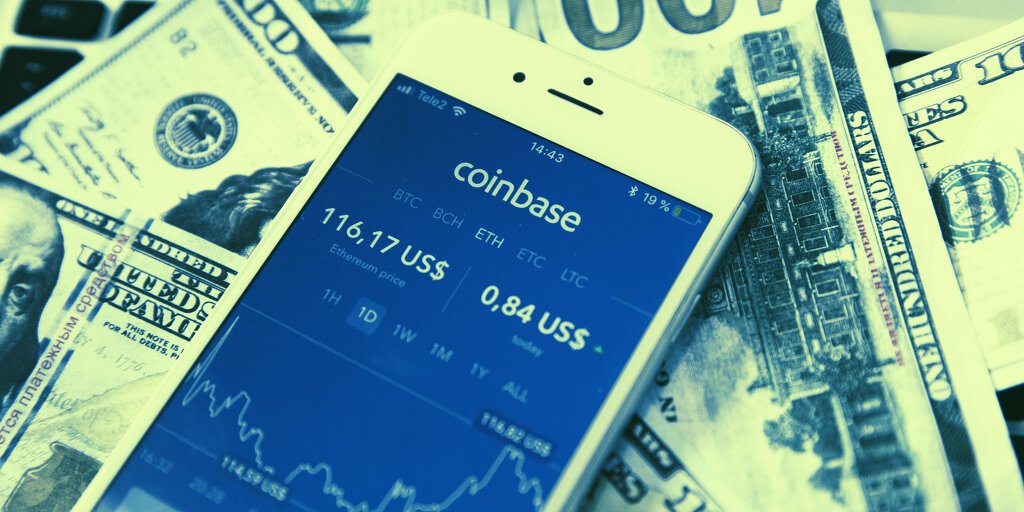
Coinbase has introduced CFTC-regulated perpetual futures trading for U.S. retail traders, starting July 21, 2025, through its Coinbase Financial Markets platform. The initial offerings include nano Bitcoin (BTC-PERP) and nano Ether (ETH-PERP) contracts, featuring up to 10x leverage, no monthly expirations, and trading fees as low as 0.02%. These contracts, with five-year expiration dates and hourly funding rates, aim to mirror global perpetual futures while complying with U.S. regulations.

Strategy Announces IPO of STRC Dividend Product

Strategy (formerly MicroStrategy) announced a proposed initial public offering (IPO) of 5 million shares of its Variable Rate Series A Perpetual Stretch Preferred Stock (STRC), priced at $100 per share to raise $500 million. The proceeds will primarily fund Bitcoin acquisitions and general corporate purposes. STRC offers cumulative monthly dividends starting at a 9% annual rate, adjustable based on one-month term SOFR fluctuations, with Strategy aiming to maintain the stock’s trading price near $100. The stock includes redemption rights at $101 per share plus unpaid dividends and repurchase options for shareholders upon a “fundamental change.”

The IPO, managed by firms like Morgan Stanley and Barclays, supports Strategy’s Bitcoin-focused treasury strategy, which has driven 104% annualized returns for MSTR compared to 59% for Bitcoin. Both developments reflect significant steps in expanding regulated crypto investment options and innovative corporate financing tied to digital assets. Coinbase’s CFTC-regulated perpetual futures (BTC-PERP and ETH-PERP) open sophisticated trading tools to U.S. retail investors, previously restricted by regulatory hurdles.

With up to 10x leverage and low fees (0.02%), this could drive higher trading volumes and attract a broader range of traders, from retail to institutional, boosting market liquidity. By offering perpetual futures, Coinbase strengthens its position against global exchanges like Binance and Bybit, which dominate the $2 trillion crypto derivatives market. This move could capture a slice of the 90% of global crypto trading tied to derivatives, potentially increasing Coinbase’s U.S. market share.

As one of the first U.S. platforms to offer CFTC-regulated perpetual futures, Coinbase sets a benchmark for compliance in a tightly regulated market. This could encourage other exchanges to follow, fostering innovation while aligning with U.S. laws, though it may also draw increased scrutiny from regulators like the SEC or CFTC. The availability of high-leverage products (10x) could amplify price swings in Bitcoin and Ether, especially during volatile periods. While this offers profit potential, it also heightens risks for retail traders, potentially leading to significant losses if not managed carefully.

Accessible derivatives may normalize crypto as a mainstream asset class in the U.S., encouraging investors to view Bitcoin and Ether as viable for hedging or speculation, similar to traditional futures markets. Strategy’s IPO of STRC, a dividend-paying preferred stock tied to its Bitcoin treasury strategy, introduces a novel way for companies to raise capital using crypto assets. The $500 million raised, primarily for Bitcoin purchases, reinforces Strategy’s bet on Bitcoin as a store of value, potentially inspiring other firms to adopt similar strategies.

The 9% variable dividend, tied to SOFR, offers an attractive yield in a low-interest-rate environment, appealing to income-focused investors. However, the stock’s value is indirectly linked to Bitcoin’s performance, exposing investors to crypto volatility without direct ownership, which could deter risk-averse shareholders. Strategy’s aggressive Bitcoin acquisition strategy (already holding over 1% of all Bitcoin) and the STRC IPO signal strong corporate confidence in Bitcoin’s long-term value. This could bolster market sentiment, driving Bitcoin prices higher, but also risks overexposure if Bitcoin’s value declines significantly.

The STRC structure, with redemption and repurchase options, blends traditional equity features with crypto-backed innovation. Success could redefine corporate treasury strategies, but failure (e.g., inability to sustain dividends or Bitcoin losses) might harm Strategy’s credibility and stock performance. The IPO may attract attention from regulators, given its unconventional tie to Bitcoin. Additionally, Strategy’s 104% annualized MSTR returns versus Bitcoin’s 59% highlight its leveraged approach.

Both moves signal a maturing crypto market, with Coinbase democratizing access to derivatives and Strategy pioneering crypto-backed corporate finance. They could drive mainstream adoption but also heighten risks of volatility, regulatory pushback, and investor overexposure. The success of these initiatives may hinge on market conditions, regulatory clarity, and Bitcoin’s price trajectory.
The Attack On Südwestdeutsche Medienholding (SWMH) Highlights The Reliance of Modern Media On Digital Infrastructure

0

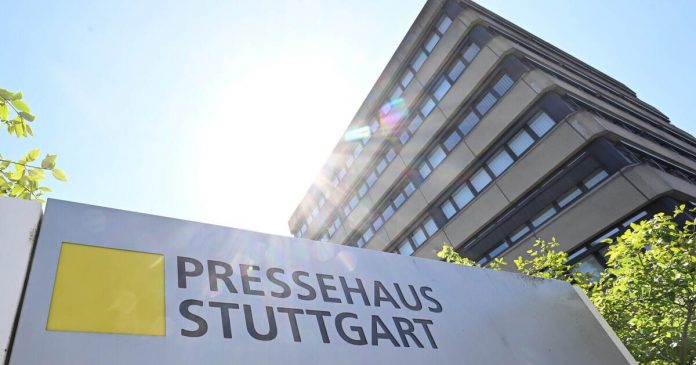
Südwestdeutsche Medienholding (SWMH), a major German media group that owns the influential daily Süddeutsche Zeitung, Stuttgarter Zeitung, and Stuttgarter Nachrichten, was targeted by a hacker attack described as a “critical IT security incident.” Unknown hackers briefly accessed the group’s internal network, affecting all connected companies. The breach was detected over the weekend of July 12-13, and SWMH quickly implemented security measures to stop the attack.

No significant disruptions to online reporting or newspaper production occurred, and all newspapers continued to publish as usual. The group is cooperating with law enforcement, the police cybercrime unit, and external IT security experts to investigate the incident and identify those responsible. While the exact motive and perpetrators remain unclear, Germany has seen a rise in cyberattacks, with some past incidents attributed to state-sponsored actors from Russia or China. SWMH employs around 4,500 people and is one of Germany’s largest newspaper publishers.

The need for alternative workflows and ongoing investigations by external IT security experts and law enforcement suggests increased operational costs. SWMH, with around 4,500 employees, may face financial strain to bolster IT infrastructure and prevent future breaches. As a major media group publishing influential titles like Süddeutsche Zeitung, SWMH’s reputation could be at risk if sensitive data (e.g., journalistic sources, employee information, or reader data) was compromised. Although no data breach details have been confirmed, the perception of vulnerability could erode trust among readers and business partners.

Media outlets are critical to public discourse, and cyberattacks could be perceived as attempts to undermine journalistic integrity or influence reporting. The lack of clarity on the hackers’ motives (e.g., espionage, financial gain, or disruption) fuels speculation, potentially affecting SWMH’s standing as a trusted source. SWMH is working closely with the police cybercrime unit and external IT security experts to investigate the attack and identify perpetrators.

This collaboration underscores the seriousness of the incident and the need for specialized expertise to address cyber threats. However, it also highlights the resource-intensive nature of such investigations, which may divert attention from core business activities. The attack on SWMH reflects a growing trend of cyberattacks targeting Germany’s media industry, as seen in previous incidents like the 2015 Bundestag hack or attacks on research groups linked to Russian actors. The media sector’s reliance on digital infrastructure makes it a prime target for hackers, whether for espionage, disruption, or financial motives.

While this attack did not disrupt operations, future attacks could target critical systems like content management or distribution networks, potentially halting publication or spreading misinformation. This incident may prompt other media organizations to reassess their cybersecurity measures. The attack coincides with SWMH’s ongoing restructuring, including the sale of regional newspapers like Stuttgarter Zeitung and Schwarzwälder Bote to Neue Pressegesellschaft, approved by the Bundeskartellamt in June 2025.

The incident may also raise concerns among potential buyers or partners about the security of SWMH’s digital assets, potentially affecting the valuation or terms of the deal. The attack underscores a growing gap between the cybersecurity measures of even large organizations like SWMH and the increasing sophistication of cyberattacks. While SWMH quickly contained the breach, the fact that hackers gained access to the central network suggests vulnerabilities in their defenses.

Large media groups like SWMH, with significant resources and a broad portfolio, can absorb the costs of a cyberattack and maintain operations through workarounds. Smaller media outlets, however, may not have the financial or technical capacity to respond effectively to similar incidents. This divide could exacerbate consolidation in the media industry, as smaller players merge with or are acquired by larger groups to gain access to better infrastructure and security.

The SWMH restructuring, including the sale of regional titles, already points to such consolidation trends, potentially reducing diversity in the media landscape. The attack highlights the reliance of modern media on digital infrastructure, contrasting with traditional print operations that were less vulnerable to cyberattacks. While SWMH’s print and online operations were unaffected, the incident exposes the risks of interconnected digital systems across multiple publications.

Media companies must balance the benefits of digital transformation (e.g., efficiency, reach) with the risks of cyber vulnerabilities. This may lead to increased investment in secure digital workflows, but it could also widen the gap between digitally advanced publishers and those still reliant on legacy systems. The attack amplifies the divide between the public’s expectation of media as a reliable, secure institution and the reality of its vulnerability to cyber threats.

The timing of the attack, amid SWMH’s restructuring and the sale of regional titles, highlights tensions between corporate strategy and stakeholder interests. Minority shareholders have expressed frustration over being sidelined in the restructuring process, and the cyberattack adds another layer of uncertainty. The attack could intensify scrutiny of SWMH’s leadership and its handling of both cybersecurity and corporate governance. Employees, already affected by the restructuring, may face additional uncertainty if the attack leads to operational changes or cost-cutting measures to fund security upgrades.

The attack on SWMH is part of a broader wave of cyberattacks in Germany, affecting industries from media to public sector and healthcare. The attribution of some attacks to state-backed actors (e.g., Russia’s Snake or China’s Volt Typhoon) raises concerns about geopolitical motives, though no specific attribution has been confirmed for the SWMH incident. The approved sale of SWMH’s regional titles to Neue Pressegesellschaft, creating a dominant player in Baden-Württemberg’s newspaper market, could amplify the divide between large and small publishers.

The Bundeskartellamt’s approval, despite concerns about media concentration, suggests regulatory challenges in balancing competition and security. The incident may prompt Germany’s media industry to adopt stronger cybersecurity standards, potentially through collaboration with government agencies like the Cybersecurity and Infrastructure Security Agency (CISA) or private security firms. However, resource disparities could leave smaller outlets behind, deepening the divide.

The hacker attack on SWMH reveals critical implications for its operations, reputation, and the broader media landscape. While the group’s quick response mitigated immediate damage, the incident exposes divides in cybersecurity preparedness, resource disparities between large and small media outlets, reliance on digital systems, public trust, and corporate governance. As SWMH navigates its ongoing restructuring and the fallout from this attack, it will need to address these divides through enhanced security measures, transparent communication, and strategic alignment with stakeholder interests.

The SPD’s Call For Germany To Join The Gaza Statement Could Enhance Its Humanitarian Credentials

0

Lawmakers from Germany’s Social Democratic Party (SPD) have urged the government to join 28 other countries in signing a statement demanding an immediate end to the war in Gaza. SPD parliamentary group leader Matthias Miersch emphasized the need for consequences when international law is violated, highlighting the humanitarian crisis in Gaza, including starving children and destroyed infrastructure.

He argued that Germany should align with allies like France, Canada, and Austria in supporting the UK’s initiative for a ceasefire. Development Minister Reem Alabali-Radovan also expressed regret that Germany did not sign the joint statement, describing the situation in Gaza as “unbelievable” with innocent children dying and people starving. SPD foreign policy experts Adis Ahmetovi and Rolf Mützenich echoed the call, stating that the escalating famine and suffering have reached a “point of no return,” urging Germany to back the peace initiative.

Germany has historically maintained a cautious stance on Middle East conflicts, particularly regarding Israel, due to its historical responsibility stemming from the Holocaust. Joining the statement would signal a potential shift toward a more assertive role in advocating for humanitarian concerns in Gaza, aligning with allies like France and Canada. This could strengthen Germany’s position as a mediator in international conflicts but risks straining relations with Israel, a key partner, if perceived as overly critical.

The SPD’s push reflects internal pressure within the party to address the humanitarian crisis in Gaza, appealing to progressive voters and younger demographics who prioritize human rights. However, it may create tension within the coalition government (SPD, Greens, FDP), as the Free Democratic Party (FDP) and some conservative elements may favor a more restrained approach to avoid alienating Israel or the U.S.

Public opinion in Germany is divided, with some supporting Israel’s right to self-defense and others decrying the humanitarian toll in Gaza. This could amplify domestic debates, especially ahead of elections. Joining the statement would align Germany with 28 countries, including key EU partners, enhancing its credibility within the EU on foreign policy. However, it could highlight divergences with major allies like the U.S., which has not signed the statement and maintains strong support for Israel.

It may also embolden other nations to take similar stances, potentially increasing pressure on Israel for a ceasefire but complicating multilateral negotiations if key players like the U.S. remain outside the consensus. Supporting the statement could amplify calls for humanitarian aid and reconstruction in Gaza, addressing the famine and infrastructure collapse noted by SPD lawmakers. However, without broader international backing, the statement’s impact on achieving a ceasefire may be limited.

The move could also influence Germany’s role in future peace talks, positioning it as a proponent of international law but risking accusations of bias from either side of the conflict. The SPD’s call exposes a rift within the coalition government. The Greens may align with the SPD due to their focus on human rights, but the FDP, with its pro-Israel leanings, may resist, fearing diplomatic fallout. Opposition parties like the CDU/CSU may also criticize the move as undermining Germany’s traditional support for Israel.

Polls (e.g., 2024 YouGov surveys) show Germans are split, with roughly 40% supporting stronger action on Gaza’s humanitarian crisis and 35% prioritizing Israel’s security. This divide fuels debates in media and civil society, with pro-Palestinian protests gaining traction in cities like Berlin, countered by pro-Israel demonstrations. The EU is not unified on Gaza, with countries like France and Spain pushing for stronger humanitarian action, while others, like Hungary and the Czech Republic, maintain staunch support for Israel. Germany’s decision could deepen this divide or push for greater EU cohesion if it joins the statement.

The UK’s leadership on the statement, post-Brexit, complicates EU dynamics, as Germany’s alignment might be seen as following a non-EU lead, potentially irking France or others. The U.S.’s absence from the statement underscores a transatlantic divide, as Washington balances support for Israel with calls for restraint. Germany’s decision could strain U.S.-German relations if perceived as a departure from Western unity.

In the Middle East, Arab states and organizations like the Arab League may welcome Germany’s support, while Israel could view it as a diplomatic betrayal, complicating bilateral ties. The debate reflects a broader clash between realpolitik (maintaining strategic alliances with Israel and the U.S.) and humanitarian principles (addressing Gaza’s crisis). This mirrors global divides, with the Global South often criticizing Western double standards on human rights in conflicts like Gaza versus Ukraine.

The SPD’s call for Germany to join the Gaza statement could enhance its humanitarian credentials and align it with progressive EU allies but risks domestic and international backlash. It highlights deep divides—within Germany’s coalition, public opinion, the EU, and globally—between prioritizing strategic alliances and addressing humanitarian imperatives. The government’s response will likely balance these tensions, but a decision either way will have lasting diplomatic and political consequences.

Project X Launches Points System On HyperEVM For User Incentivization and Ecosystem Growth

0

Project X, a decentralized exchange (DEX) on the HyperEVM ecosystem, launched its points system to incentivize user participation and drive growth. The system rewards users for contributing to the ecosystem through activities like trading, providing liquidity, and referrals. One million points are distributed daily, with points serving as potential credentials for future token airdrops or ecosystem benefits, though specific airdrop rules (e.g., point-to-token exchange ratio or timing) remain unannounced.

Users can earn points by depositing assets into liquidity pools (kHYPE pool), trading on the DEX, or inviting friends. The updated user interface reflects point accumulation in real time. Project X, built by the team behind the successful Pacmoon project on the Blast chain, is 100% self-funded, emphasizing community-driven development but raising concerns about limited financial resilience in extreme market conditions.

The DEX’s total value locked (TVL) surpassed $40 million within three days of launch, reflecting strong early adoption. The points system, distributing one million points daily, encourages user engagement through trading, liquidity provision, and referrals. This gamification drives activity, as seen with the DEX’s TVL surpassing $40 million shortly after launch. By rewarding participation, Project X fosters a vibrant community, potentially increasing HyperEVM’s adoption.

Points as potential airdrop credentials create a speculative incentive, attracting users seeking future token rewards. However, unannounced airdrop rules (e.g., point-to-token ratios) introduce uncertainty, which may lead to short-term engagement spikes but could frustrate users if expectations are mismanaged. Encouraging deposits into liquidity pools (e.g., kHYPE pool) enhances the DEX’s liquidity, reducing slippage and improving trading efficiency. This strengthens Hyperliquid’s position as a competitive DEX, especially within HyperEVM’s growing ecosystem.

The referral system could accelerate user acquisition, creating network effects that bolster Project X’s market presence. However, reliance on speculative points may lead to volatile participation, with users potentially withdrawing if rewards underdeliver. As a 100% self-funded project by the Pacmoon team, Project X avoids external dependencies but faces risks from limited financial reserves. In extreme market downturns, the lack of external backing could hinder scalability or resilience, potentially capping long-term growth compared to venture-backed competitors.

The emphasis on community input aligns with DeFi’s ethos, fostering trust and loyalty. However, without clear governance mechanisms, community-driven models risk inefficiencies or misalignment between user expectations and project execution. Wealthier users (“whales”) with larger capital can deposit more into liquidity pools or execute higher trading volumes, earning disproportionate points. Retail users with smaller portfolios may feel marginalized, as their point accumulation is limited.

This could create a perception of unfairness, discouraging smaller users and concentrating rewards among a few. If unaddressed (e.g., through tiered or capped rewards), it risks alienating the broader community, undermining Project X’s community-driven ethos. Project X could implement scaling mechanisms, like diminishing returns for larger deposits, to level the playing field.

Early participants benefit from accumulating points before the system becomes saturated or airdrop rules are clarified. Latecomers may face higher competition or diluted rewards if the point pool or airdrop allocation is fixed. Early adopter advantages could drive initial hype but discourage sustained participation if late joiners perceive diminished opportunities. Clear communication about point longevity and airdrop timelines is critical to maintaining trust.

Transparent airdrop schedules or periodic point resets could balance incentives over time. Project X’s points system differentiates it from other DEXs, potentially drawing users away from competitors like Uniswap or SushiSwap. However, competitors with established tokens or clearer reward structures may retain loyal users. The points system gives Project X a competitive edge in user acquisition, but its success hinges on delivering tangible rewards (e.g., airdrops).

Failure to compete with established DEXs’ liquidity or user base could limit its market share. Strategic partnerships or cross-chain integrations could enhance Project X’s appeal beyond HyperEVM. The points system’s speculative nature (tied to potential airdrops) contrasts with fundamental value creation (e.g., protocol utility, fees). Users chasing points may prioritize short-term gains over long-term ecosystem contributions.

Overemphasis on speculative rewards risks inflating a bubble, where user activity drops post-airdrop. Sustainable growth requires balancing points with intrinsic protocol benefits, like low fees or unique features. Project X could introduce utility for points (e.g., governance rights, fee discounts) to align speculative and fundamental incentives.

Project X’s success will depend on managing these divides through transparent communication, equitable reward structures, and robust protocol fundamentals. Its self-funded model and HyperEVM integration position it well, but navigating these tensions is critical to sustaining its $40 million TVL milestone and competing in the crowded DEX market.

The S&P 500 Surges To A Record High Of 6305.60 Marking A 0.59% Increase From Previous Session

0

The S&P 500 closed at a new all-time high of 6,305.60 on July 21, 2025, marking a 0.59% increase from the previous session. Over the past month, the index has risen 5.13%, and it’s up 13.83% compared to the same time last year. Posts on X also noted the S&P 500, along with the Nasdaq, hitting record highs on July 21, 2025, driven by strong performances from megacap stocks like Alphabet. This milestone reflects market resilience amid trade policy shifts and optimism about potential rate cuts, though some uncertainty persists due to tariff concerns and elevated valuations.

Optimism about potential Federal Reserve rate cuts in 2025, as inflation cools, has bolstered market sentiment. Lower rates could reduce borrowing costs, supporting corporate earnings and stock valuations. However, high valuations (e.g., elevated P/E ratios in tech) raise concerns about sustainability, with some X users warning of a potential “bubble” if earnings don’t keep pace.

The S&P 500’s 13.83% year-over-year gain signals robust corporate performance, particularly among large-cap firms. This aligns with strong Q2 2025 earnings expectations, especially in tech and consumer discretionary sectors. Yet, market gains are uneven. X posts highlight investor focus on “Trump trades” (e.g., energy, financials) amid shifting trade policies, which could introduce volatility if tariffs or geopolitical tensions escalate.

Trade policy shifts, including proposed tariffs, are creating uncertainty. While some sectors (e.g., domestic manufacturing) may benefit, others (e.g., consumer goods, imports) could face headwinds, as noted in X discussions about tariff impacts. Globally, a strong U.S. market contrasts with challenges in other regions, like China’s economic slowdown, potentially affecting multinational firms in the S&P 500.

Stock market gains primarily benefit wealthier households, as roughly 60% of U.S. equities are held by the top 10% of households. The bottom 50% hold less than 2% of corporate stocks, per Federal Reserve data. This widens the wealth gap, as everyday workers see limited direct gains from market highs. X posts reflect frustration among some users about the disconnect between Wall Street’s success and Main Street’s struggles, like persistent cost-of-living pressures.

The rally is heavily concentrated in megacap tech and growth stocks, while small-cap and value stocks like the Russell 2000 lag. For instance, the Russell 2000 is up only 6.2% year-to-date compared to the S&P 500’s 13.83%. This creates a divide between large corporations and smaller firms, which face higher borrowing costs and less market attention. X sentiment highlights excitement for tech giants but concern for smaller businesses struggling with inflation and policy uncertainty.

Retail investors, increasingly active via platforms like Robinhood, are riding the wave but face risks from high valuations and potential corrections. Meanwhile, non-investors, including many lower-income households, miss out entirely, deepening economic polarization. Some X users express skepticism about retail investor FOMO (fear of missing out), warning of over-leverage in options trading.

The U.S. market’s strength contrasts with weaker performance in Europe and emerging markets. For example, China’s CSI 300 is down 5% year-to-date, reflecting trade and growth concerns. This global divide could pressure S&P 500 firms with international exposure if global demand weakens. Continued earnings growth, potential rate cuts, and AI-driven productivity gains could sustain the rally, particularly for tech-heavy indices.

Tariff-induced inflation, geopolitical tensions, or a hawkish Fed pivot could trigger volatility. X posts suggest some investors are hedging via defensive sectors like utilities or gold. Policy measures like targeted tax relief or small business support could help bridge economic gaps, though political gridlock may limit progress, as hinted in X discussions about government inaction.