DD
MM
YYYY

PAGES

DD
MM
YYYY

spot_img

PAGES

Home Blog Page 83

Why Social Proof Still Outperforms Paid Ads for Creators

0

In a world where thousands of voices seek the same audience, what makes yours stick is trust, which is known as social proof. This goes beyond just the number of likes or followers you have; it communicates that real people connect with you. Paid advertisements, while they certainly attract attention, cannot create the same power of trust that people give to real social proof.

This is made evident by the fact that ads may bring visitors, but they may not get the trust or loyalty of the audience – something that is most needed in lasting and valuable connections. In this article, you will find the reason that social proof is more beneficial for creators than paid advertisements.

Understanding Social Proof

Before delving into the advantages of social proof, it is essential to understand what exactly it is and how it is useful. It is basically the idea that people are likely to do something if they find others doing it. Inside the territory of social media and online content, dimensions like follower counts, shares, likes, and comments are immediate signals of approval; they show that others have accepted your work.

With the simple fact of seeing these signs, newcomers tend to place trust in the material the creator has made and follow it too. However, trusting only these surface metrics may lead to a mistake, as the real social proof must go deeper into the real interaction and the experience of the audience engaged with the content.

Paid Ads and Their Role

Paid ads allow you to reach out to specific groups and pay for an instant visibility boost. Advertisements allow you to arrange campaigns, analyze progress, and ensure that your message is delivered perfectly to the appropriate and desired people. Nevertheless, these advertisements provide a significant boost to traffic on a temporary basis rather than developing an active interest.

Over time, those attracted hardly become a loyal audience. What is even more striking is the fact that merely spending on paid advertisements cannot stimulate authentic connections, and such connections are established based on trust and organic conversion, which comes gradually over time.

Why Social Proof Outperforms Ads

You will discover that social proof can obtain the trust of your audience much more instantaneously than ads can. When viewers see that others like your content, they become encouraged to lend their attention, a lot to the encouragement of organic interaction. This interaction leads to the further discoverability of your content, as platforms like Facebook and Instagram value the interaction and reward it with much more exposure.

Social proof makes a picture that lasts much longer than paid ads. This, too, assists in signaling to the algorithms that the material is significant, hence the content is further pushed. This is only a part of why social proof has the capability of long-term and stable benefits, which you cannot get from advertisements.

Leveraging Social Proof Effectively

Utilizing social proof effectively is something more than generally trailing behind a few measly likes or shares. What you need to do is to actively stimulate real conversations among your audience; ask them to leave sincere thoughts on the content you develop. Show testimonials or user-generated content, which portrays real people’s experiences and opinions about what you offer.

Mention indicators such as milestones that indicate a fan base or excellent feedback. Stay in touch with your audience; all of these acts serve as a stream of credibility over time. Combine these efforts with other genuine growth techniques, such as making good content on a consistent basis, to make sure that your social proof works and helps you to create a loyal audience that is genuinely interested in what you do.

Common Mistakes Creators Make

  • Most creators simply depend too much on paid advertisements to improve growth, glossing over the critical nature of genuine community engagement.
  • Relying only on paid ads may bring you views but will not lead to any real connection or loyalty towards your work.
  • Many creators may also focus purely on their follower count rather than also backing up having engagement and conversation, which is really crucial in making a relationship, and not just numbers.
  • You can also make a mistake of sharing incorrect social proof or being unauthentic as it makes your audience suspicious.

Such mistakes can slow down the development process of your content if you don’t connect with your audience more on a real and small level.

Conclusion

Social proof works as a tremendous asset for content creators, functioning as a constant engine of growth compared to paid advertisements. Of course, paid advertisements can be helpful, but they are only momentary and do not assist in building the actual involvement and trust that social proof can create.

To build a loyal audience, it pays to spend time on true connections, appreciating what your existing audience does, and not forcing the issue. Such balancing acts will make the audience view your work as something credible and valuable. You will eventually build a well-integrated community based on trust, credibility, and genuine connection to your work.


Sources:

  • https://sproutsocial.com/insights/social-proof/
  • https://billo.app/blog/creator-partnership-ads/
  • https://commitagency.com/insights/social-proof-strategies-for-powerful-marketing-campaigns/
 

Step by Step: Building a Viral Strategy Using Paid Likes and Shares

0

Virality does not happen by chance. It takes a deliberate plan to guarantee that your material has the potential to go viral. You are not simply spending money when you buy likes and shares, you are, in fact, investing in the power of social evidence. The more likes or shares you receive, the more your content is endorsed, which increases the appeal of the content to the audience and the social media algorithms.

Pairing these with organic engagement empowers your content, allowing it to be more visible. By blending paid and unpaid strategies, you take advantage of the positive side of both strategies. This tutorial will lead you through some steps in practice to create a strategy that can lead to viral growth.

Step 1: Identify Your Target Audience

A successful viral strategy starts with a definite comprehension of your target audience. Your ideal audience must be outlined by their likes, demographics, and conduct patterns. Conduct a study through the application of various analytics available on social media and on websites to determine which social sites these users visit frequently. Find out which type of content, whether it is video, photo, or blog, appeals to their interests.

Make sure to establish particular objectives in terms of audience reach and engagement because it makes your content marketing audience-focused. Knowing your audience will not only assist you in content creation but will also assist in the paid boosting of the posts to people who are already inclined toward engaging in what you offer.

Step 2: Create Content Designed to Engage

  • Making shareable content is what makes articles go viral.
  • Effort to produce something not only informative but also very relatable and provokes an emotional response in the listeners.
  • Use powerful images that attract attention and headlines or hooks that encourage users to read more.
  • You must be direct and to the point in your messaging; simple language is more approachable.
  • Encourage engagement by including questions or calls to action that invite public input.
  • The more your content is relatable to your audience, the higher the chances of your work being liked, shared and receiving positive reactions.

Therefore, producing interesting content is an essential step of preparation prior to paid likes and shares promotion.

Step 3: Choose the Right Paid Engagement Services

Choosing the most suitable services for paid likes and shares is a key step to transforming your content strategy. Start by evaluating platforms regarded in the market such as Facebook Ads or Instagram promotions. However, ensure that you verify the quality of engagement that they provide is genuine and of high value. Do not accept what seems to be the deal from other platforms, take time to compare the pricing and packages offered.

This will ensure that you can get the most suitable and relevant followers for your audience. Transparency and reliability in the reporting of metrics is also essential post the campaign. If you prepare on both these factors: targeting and quality, it can ensure reliable progress with your paid campaign.

Step 4: Launch Paid Campaign Strategically

When you start a paid campaign, make sure you are starting it in a more strategic way rather than rushing into it. Start with small tests using a section of your target audience so that you can determine the most successful strategy. Select the times when your posts will receive maximum visibility as per past data on the activity of your audience. As the campaign runs, pay attention to the patterns of engagement and response of the audience.

Make any necessary adjustments in respect of targeting and the budget based on the response. It is also useful for small organic promotions along with your targeted ads to get more people exposed to your content. It is the small but step-by-step amounts of security that will allow your paid campaign to improve the overall performance.

Step 5: Track Results and Optimize

Measurement of your campaign performance is what places you on a growth path. Track measurable metrics such as likes, shares, and comments to have a sense of what is successful and what is not. Monitor audience responses; this provides you with an idea of what your audience responds to. Analyzing specific posts in which paid likes increase engagement will give you inputs on what content format to replicate.

Constantly fine-tune your content based on the impressions received so that your future posts will be more responsive. Scale your effective initiatives to maintain a positive momentum, but be careful not to saturate your audience. Regular optimization maximizes your investment in paid engagement and promotes steady growth along the way.

Conclusion

Combining paid likes and shares with a purposeful strategy is essential in building a viral presence. Thoughtful paid campaigns will also yield measurable results by generating engagement and interest in your content. Regular testing enables you to recognize what works best and in what context.

Tracking further leads to using optimization, which ultimately paves the way for a more sustained growth process. A balanced viewpoint where the quality of your connection is taken into account in addition to the numbers will ensure greater longevity of your efforts. Always remember that the ultimate objective is to engage and leave a lasting impression on your audience.


Sources:

  • https://sproutsocial.com/insights/social-media-marketing-strategy/
  • https://www.crowdspring.com/blog/viral-marketing/
  • https://thisisglance.com/learning-centre/how-do-i-create-viral-social-media-content-for-my-app

The Real ROI of Buying YouTube Likes for Music Channels

0

When it comes to music channels on YouTube, being noticed often feels like an uphill struggle. You could be pumping out great music, but then again, without the engagement of the audience, disinterest will persist and your channel will remain unnoticed. The bright side is that what lies in likes and other engagement metrics bridges the gap between your music and your audience.

These numbers, especially likes, lend credibility to new listeners and make the algorithm favor your content. But should you buy the likes or let them come in the natural way? The real thing is, this article will take a look at what you stand to get from buying YouTube likes and how it can add value to your channel’s growth.

Understanding YouTube Likes and Engagement

YouTube likes do not simply serve as numbers; they are the hidden signals that direct the algorithm on what to promote. When you get a good number of likes, YouTube senses that your content is valuable, and thus it makes your videos more visible to other possible viewers. It is important to know that these likes also make a good impression on new visitors and make them stay longer on your channel.

If a video has a lot of likes, people think it is worth watching and they stay and watch till the end. More engaged audiences also converge on videos as a result of the accumulation of these likes, thus forming a cycle of growth and engagement.

Benefits of Buying YouTube Likes for Music Channels

Purchasing YouTube likes can accelerate the growth of your music channel by creating social proof within a short period of time. As soon as the visitors notice that the number of likes on your video is substantial, they trust you more and consider your content valuable right away. This is particularly beneficial when launching a new single or album, as it presents your music as already liked by others.

In addition to this, bought likes will actually make it possible for YouTube’s algorithm to work in your favor, as your video is more likely to be presented to other viewers. Actually, what it does is create an environment that encourages real viewers to engage. The cumulative effect is that it greatly boosts your standing and image among the growing crowd of similar music niches.

Potential Impact on Algorithm Performance

The YouTube algorithm is very powerful, able to drive or break your success. One of the most important signals it receives is likes. The likes you receive on your video communicate to the algorithm that your video is important. This will result in additional recommendations and even placing your video in the trending section.

Also, more activity means that individuals are subscribing to your video and remain on the site and both are more likely to advertise your video to even more people. It’s like having an internal engine powering your progress and getting your videos to really reach more people organically.

The secret is that it is not just likes alone; it is a combination of likes and people commenting, sharing, and watching that propels your channel growth.

Maximizing ROI with Real Engagement

The reason behind purchasing YouTube likes is not merely to look good on your channel, but to really use them smartly to amplify the engagement in your music. When you buy likes, make sure that you obtain real ones instead of fake ones as fake likes do not produce any real benefit in the long run. You should combine bought likes with other types of use in your promotion strategy, including comments, shares, and playlists.

The effect will be even more substantial if you time your purchases in line with the release of new material. Therefore, regular tracking of your performance can make it possible for you to comprehend the strategy that works best and where to invest more in growing your channel in a sustainable way.

Strategic Considerations for Music Creators

  • It is not just what you do but how you do it that matters to the buyers of YouTube likes.
  • It is very important to select a really good, authentic service that provides likes from actual accounts, has a good reputation, and adheres to the policies of YouTube.
  • Align bought likes with the audience of your music so that they have more real connections with the people who watch your content.
  • You should also consider your expenses and make your marketing effort sustainable.
  • The last thing you want to do is to depend solely on bought likes and lose the conversation with your fans.
  • Every single penny should support your channel branding and reputation, driving your channel toward quality growth in an organic manner.

Conclusion

Buying likes on YouTube can really be a smart business move to heighten the visibility and credibility of your music channel. However, it must be done in a responsible manner and in favor of organic growth. When you combine a smart paid strategy with real engagement and content quality, the real ROI of likes is actually a significant increase in your audience and credibility.

It is crucial that you keep track of what steps you take to analyze what works best. You should develop your channel and your fan base in a sustainable way by integrating purchasing likes into a more holistic growth strategy which will enable you to hold on to your place in the highly competitive music domain on YouTube, as time passes.


Sources:

  • https://emplifi.io/resources/blog/blog-building-an-effective-youtube-marketing-strategy-a-framework-for-real-roi/
  • https://www.oreateai.com/blog/the-real-deal-on-buying-youtube-likes-what-you-need-to-know/7d37f403f679b85bb9792d2f65d3fc93
  • https://neilpatel.com/blog/youtube-marketing-guide/

How to Use Paid Likes and Views to Build Brand Authority

0

To increase online presence in the current competitive environment, you need a brilliant approach. Engaging people alone will not work anymore in such a crowded landscape. Building your brand’s credibility requires establishing social proof and showing others that what they think is real and right.

When your engagement data increases, more people will see you as a reputable brand that matters. The thoughtful use of paid likes and views gives you a chance to create that authority fast. Your aim must be not only to have numbers but to build credibility and ultramodern visibility that lasts.

Understanding Paid Likes and Views

Paid likes and views are forms of paid engagement used to enhance online content’s visibility. Such engagement is different from false engagement as it utilizes real platform systems and people who interact even if they do not become loyal followers over the night.

These paid strategies are primarily employed on famous platforms like Facebook, Instagram, and YouTube, as they significantly increase visibility in the early stages of post sharing. However, one must carefully consider setting up a budget beforehand. By investing wisely, you can get your message to a larger audience and become more noticed faster.

Establishing Brand Credibility Quickly

Brand credibility can be established very fast by using paid engagement metrics like likes and views. When these metrics are displayed, newcomers or potential customers become more willing to trust the brand. They interpret social proof as something that other individuals believe in, and that alone is sufficient to reduce their skepticism.

These paid metrics not only gain field but also elicit genuine responses from those who observe your constant activity in such a short time period. The visitors will immediately notice that you are an active brand and will engage your existing postings with credibility and growth.

Boosting Content Visibility Strategically

Paid likes and views, set your content to reach a broader audience by making platform algorithms see your posts as popular. Algorithms of social platforms are designed to display content that already attracts comments and likes to more and more users. Your investment in paid activity, in the absence of any deception of platform rules, will help you gain organic reach and support live campaigns or launches.

The correct combination of these paid metrics with good creative material will make even the most important posts stand out and attract attention. Also, these metrics will help you group various content types based on what brings out a better response.

Encouraging Organic Engagement Growth

Paid engagement does not stop there; it often leads to meaningful human interaction. Individuals who have liked or viewed your content for the first time pay attention to subsequent posts and may even become true fans. This can be seen as building momentum via having a better audience, sharing the content, and starting conversations.

Whenever people notice a brand that others like, they are more likely to interact. Your paid activity supports your organic growth and your authority escalates. Nevertheless you must make sure that your paid and organic growth is in balance to keep the trust with your audience.

Monitoring and Adjusting Paid Engagement

  • Continuous monitoring of your paid engagement metrics is indispensable in refining your engagement strategy.
  • By understanding these metrics you can calculate the money you earn for every dollar spent.
  • You will also immediately know which posts require additional support.
  • Additionally, boosting the ineffective posts could lead to wasted money.
  • You need to adjust your strategy based on how well the posts work.

Be careful against the temptation to purely depend on paid metrics, because the actual success is experienced when these insights are used to construct a more comprehensive branding effect.

Conclusion

Paid likes and views are effective in being a part of the process of building your brand. They do not pretend to grow overnight but rather act as an invaluable support in real development and visibility. When used correctly, such tools create the foundation of the credibility you desire and lead to widespread engagement and brand trust.

What is more important is your ability to integrate a consistent strategy and assessment, both online and in life, to develop into a respected and dependable brand. You will be able to be in a position to maintain the interests of consumers and thus to exert influence over time.


Sources:

  • https://www.shopify.com/blog/brand-authority
  • https://ignitevisibility.com/build-brand-authority/
  • https://www.manchesterdigital.com/post/design-cloud/8-methods-to-build-brand-authority-using-content-marketing

Michael Burry Warns AI Boom Is an ‘Epic’ Bubble Too Massive to Rescue, Predicting Market and Economic Fallout

0

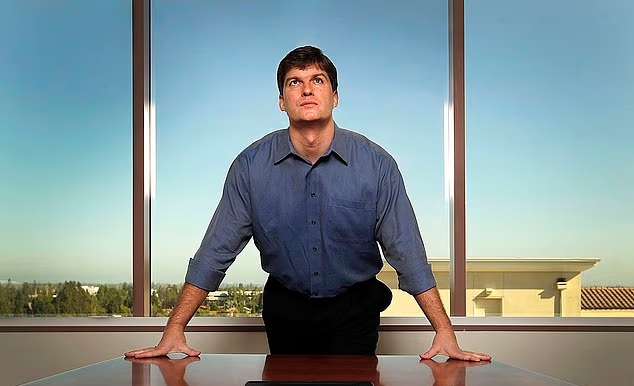
Michael Burry, the contrarian investor immortalized in “The Big Short” for his prescient bet against the housing market, issued a stark warning late Tuesday that the artificial intelligence frenzy represents a bubble of unprecedented scale—one destined to burst and drag down stocks and the broader economy, with government intervention powerless to prevent it.

In a post on X under his account @michaeljburry (branded “Cassandra Unchained”), Burry responded to a detailed critique from former hedge fund manager George Noble, who argued that OpenAI is “falling apart in real time.” Noble highlighted intensifying competition from Google’s Gemini 3, plunging ChatGPT traffic, massive quarterly losses ($12 billion in one period per Microsoft’s disclosures), talent departures, unsustainable spending on tools like Sora, and Elon Musk’s ongoing lawsuit seeking up to $134 billion.

Burry agreed emphatically, saying, “This is not surprising and will not end with OpenAI. All the capital being spent and lent by the richest companies on earth will not buy enough time—by the very definition of mania.”

He added that authorities would “pull out all the stops to save the AI bubble to save the market to save the economy,” but concluded, “The problem is too big to save, again by that very same definition.”

The remarks build on Burry’s longstanding skepticism. Since pivoting from hedge fund management to Substack commentary late last year, he has repeatedly likened the AI surge to the dot-com era. He has called OpenAI “the next Netscape, doomed and hemorrhaging cash,” criticized its projected $1.4 trillion spending over eight years as “dreamy,” and expressed surprise that ChatGPT’s launch ignited a multi-trillion-dollar infrastructure race.

Burry has positioned bearishly, including options bets against Nvidia and Palantir as “poster children” of the hype, arguing that returns on invested capital are declining and much of the spending will ultimately be written off.

OpenAI’s trajectory underscores his concerns. The company’s annualized revenue run rate surged from $2 billion in 2023 to $6 billion in 2024 and more than $20 billion in 2025, according to CFO Sarah Friar in a recent blog post. Compute capacity grew similarly, from 0.2 GW in 2023 to about 1.9 GW by the end of 2025. Yet critics like Noble point to escalating costs, diminishing returns on model improvements, user disappointment with releases like GPT-5 (described as “underwhelming” and quickly overshadowed by prior versions), and internal turmoil—including key executive exits and allegations of leadership issues.

Burry’s view aligns with other prominent skeptics. Veteran investor Jeremy Grantham, known for calling past bubbles, recently described AI as “obviously a bubble” with “slim to none” odds of avoiding a bust, comparing it to 19th-century railroads and the late-1990s internet mania. He expects leaders like Nvidia to spearhead any downturn, leaving markets “a whole lot cheaper” before eventual recovery.

However, contrasting opinions persist. Optimists such as “Shark Tank” star Kevin O’Leary and investor Ross Gerber argue AI is driving genuine productivity gains and rapid growth, far from a fleeting euphoria. Broader market sentiment remains mixed: America’s eight most valuable public companies—Nvidia, Alphabet, Apple, Microsoft, Amazon, Broadcom, Meta, and Tesla—collectively exceed $22 trillion in market cap, all deeply invested in AI infrastructure. Yet warnings of overvaluation and circular financing (e.g., intertwined deals among hyperscalers) have intensified debates.

Burry’s latest salvo arrives amid fresh volatility in tech stocks, including recent dips tied to geopolitical tensions. His track record lends weight to the cautionary tone, though past predictions have not always timed perfectly. The success of AI buildout has so far remained speculative, casting doubts on the investments. As Burry sees it, the scale of capital deployed—trillions across Big Tech—has created a mania too vast for even extraordinary measures to contain once cracks appear.