DD
MM
YYYY

PAGES

DD
MM
YYYY

spot_img

PAGES

Home Blog Page 863

First HoldCo Slams Arise TV, ThisDay Over Share Trade Report — Clarifies Otedola, Government Had No Involvement

0

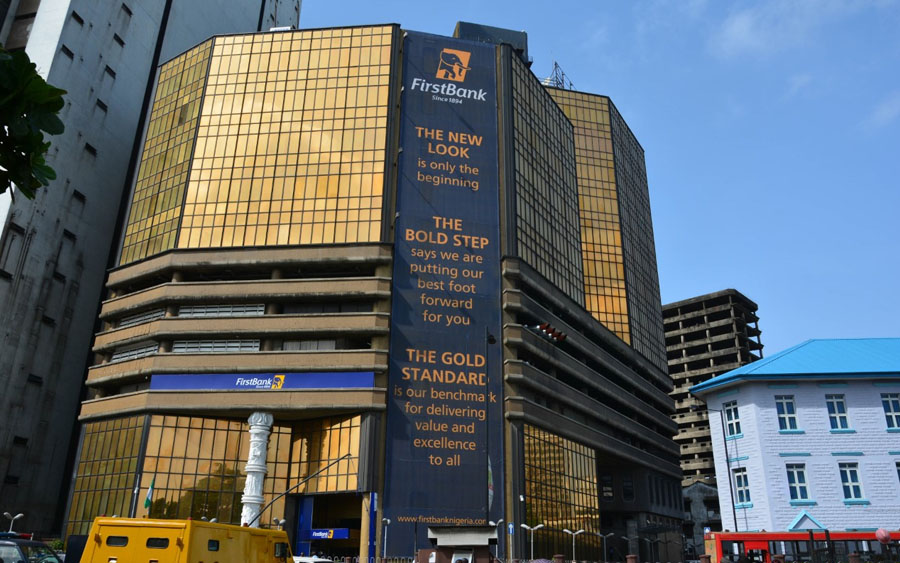
First HoldCo Plc has lashed out at recent reports by Arise TV and ThisDay Newspaper over their coverage of a N323.4 billion block trade involving the company’s shares, accusing both platforms of “deliberate misrepresentation” and “grossly unprofessional conduct” aimed at inciting panic.

The response comes after a flurry of media speculation surrounding the off-market transaction executed on July 16, 2025. The deal, one of the largest in the history of the Nigerian Exchange (NGX), involved 10.43 billion shares of First HoldCo sold at N31 per share across 17 negotiated trades.

While the transaction itself was legitimate and regulator-supervised, reports from Arise and ThisDay reportedly framed it as a veiled takeover involving billionaire businessman and First HoldCo chairman, Femi Otedola, and possibly the Nigerian government — an angle the company has firmly denied.

In a statement issued Monday, First HoldCo made it clear that Mr. Otedola was neither the buyer nor a beneficiary of the shares in question. It also stated unequivocally that the Federal Government of Nigeria and the Office of the Attorney General were not parties to the transaction.

“The shares were acquired by an independent bridge holder, and the process was transparent, supervised by regulators, and devoid of any undue influence,” the company said. “Mr. Femi Otedola did not buy or take over the traded shares. The Federal Government of Nigeria, its agencies, and the Attorney General were not involved.”

The company noted that the misinformation appeared calculated to destabilize its operations and undermine shareholder confidence, especially given the strategic importance of the transaction in shaping its future governance and ownership structure.

Attorney General’s Office Also Debunks Report

Backing the company’s position, the Office of the Attorney General of the Federation issued its own rebuttal through Kamarudeen Ogundele, Special Adviser on Communication and Publicity. Ogundele described the reports suggesting government involvement as “false, misleading, resentful, and potentially harmful.”

According to him, Attorney General Lateef Fagbemi was not involved in any share dealings related to First HoldCo. While the Federal Government was aware of the transaction framework — including a trustee structure approved by the Central Bank of Nigeria (CBN) and overseen by RENCAP — it played no active role in the deal.

“This falsehood must be corrected to prevent confusion or misconceptions about First HoldCo’s ownership and governance,” Ogundele said, reiterating the independence of the buyer and the non-participation of the government.

The statement by First HoldCo also included a direct jab at the owner of both ThisDay and Arise TV, suggesting ulterior motives behind the coverage. The company hinted at unresolved debt issues involving General Hydrocarbons Ltd — a company linked to the media group’s founder — and FirstBank, which is part of the HoldCo group.

“We urge the owner of these media platforms to focus on settling General Hydrocarbons Ltd’s debt to FirstBank, rather than channeling negative energy toward vilifying the First HoldCo Group,” the statement said.

The company also used the opportunity to call for stronger adherence to journalistic ethics, urging media platforms to prioritize fairness, objectivity, and fact-checking.

Strategic Reshuffle in the Shadows

While First HoldCo insists the trade does not signal a hostile takeover, the sheer volume and value of the shares — totaling N323.4 billion — have reignited talk of a potential leadership transition or capital restructuring. Notably, the transaction represents the formal exit of Oba Otudeko, a founding figure in the group’s evolution and a former heavyweight shareholder.

Otudeko’s exit, combined with the influx of new shareholding under a trustee structure, suggests significant behind-the-scenes reconfiguration of the HoldCo’s influence map, with implications for future board appointments, strategy realignment, and shareholder activism.

As one of the largest off-market block trades ever recorded on the NGX, the deal underscores First HoldCo’s continued position as a high-stakes player in Nigeria’s corporate ecosystem — and a lightning rod for speculation. Time will tell whether the current furor settles or triggers further disclosures in the weeks ahead.
Political Instability Drives Dollar Down 10% Since January

0

Amid heightened political tensions in Washington, the Bank for International Settlements (BIS) sounded the alarm this weekend. The aim was to highlight the crucial importance of central bank independence at a time when the US Federal Reserve is under unprecedented political pressure.

The BIS’s annual report warns of a growing trend toward political interference, particularly in the United States, where Donald Trump has stepped up his public attacks on Jerome Powell, the Fed Chairman. The US president criticizes Jerome Powell for “slowing US growth with overly restrictive monetary policy.”

Trump has even publicly stated his intention to replace Powell. This stance is worrying: markets fear a weakened Fed that could be manipulated and therefore less credible.

The BIS emphasizes that central banks (such as the Fed) must remain independent, as they have a delicate task to perform. The fact is that the Fed must balance between supporting economic growth through low interest rates as President Trump desires or preserving monetary value, so as not to cause the growing public debt to explode.

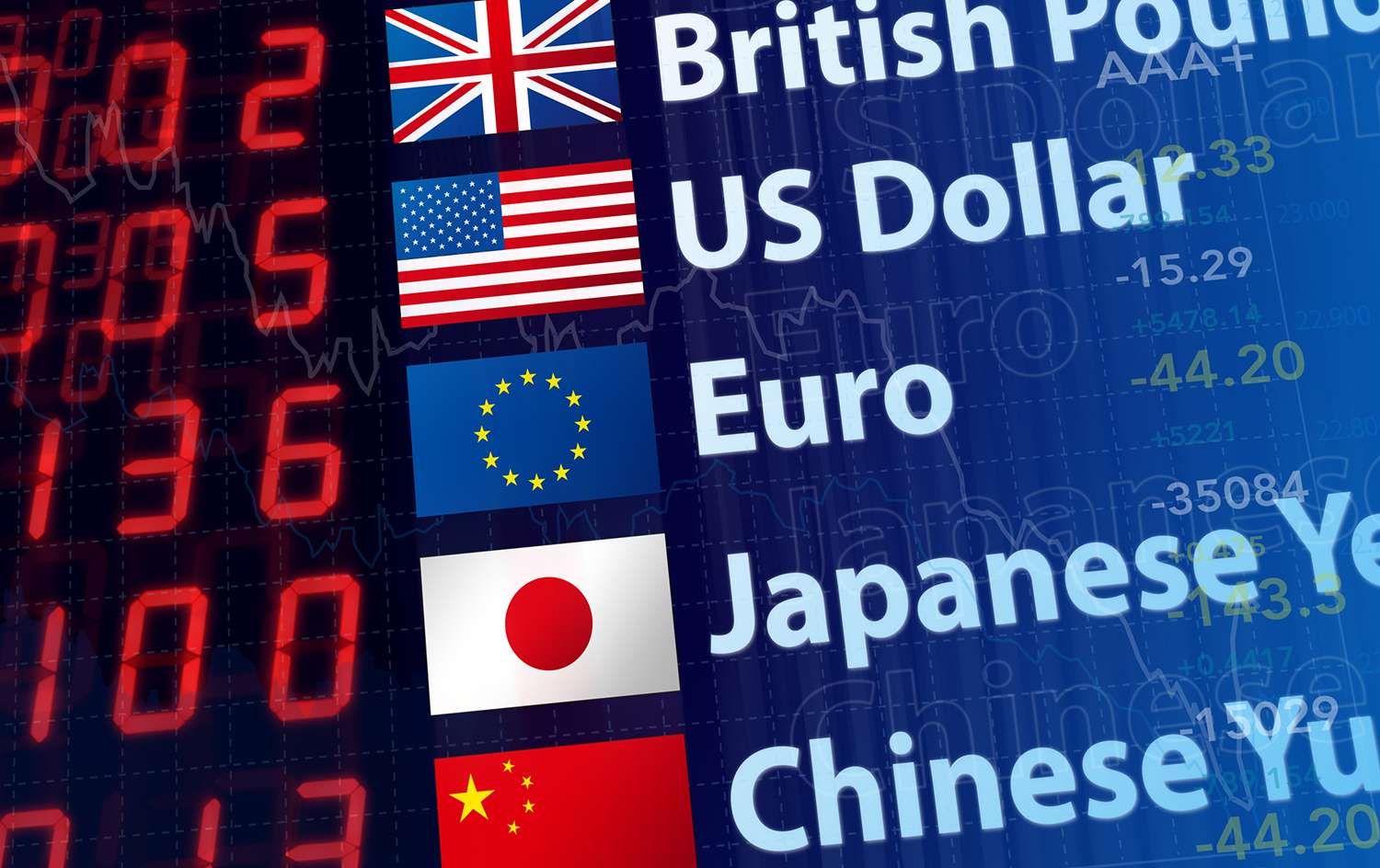
As a direct consequence of this political and monetary instability, the US dollar (DXY) fell to its lowest level in more than three years to around 97.2 points. This represents a decline of more than 10% since January — its worst performance since 2022. This weakness in the greenback can be explained by:

  • The prospect of a policy shift by the Fed driven by political pressure.
  • Anticipation of disorderly rate cuts.
  • Investors’ loss of confidence in US institutional stability.

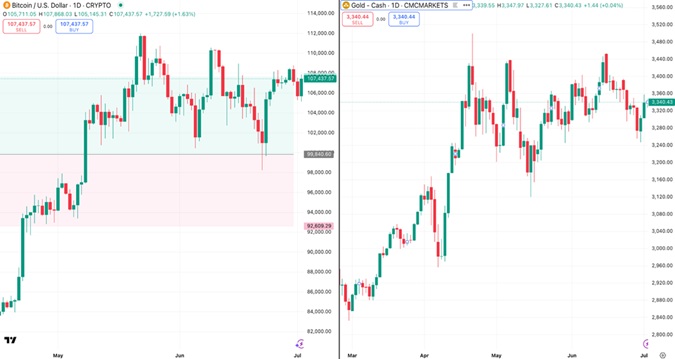
An HSBC analyst thinks that “There is a Trump risk premium built into the dollar today.” Such an unstable climate pushes investors to alternative assets, like gold and Bitcoin. The price of Bitcoin has rebounded to over $120,000, buoyed by an influx into crypto ETFs ($1.7 billion in June) and the price of gold reaches almost $3,400, boosted by currency volatility.

The credibility of the Federal Reserve — one of the historic global pillars of stability — is being weakened by the institutional clash between Trump and Powell. This situation threatens the confidence that has long surrounded the dollar’s dominance.

Beyond cryptocurrencies and gold, there are other “neutral” currencies like the Swiss franc, Japanese yen, and the digital Chinese yuan. These are now acting as safe havens from a dollar that is looking less and less stable. A development that was unthinkable just a few years ago.

More Than a Game: How Sport Shapes South Africa’s Unity

0

Sport is not just entertainment in South Africa. It’s part of the country’s history — a tool of resistance, a weapon of reconciliation, and an impenetrable well of pride. When Nelson Mandela emerged for the first time in 1995 on the rugby field dressed in a Springboks jersey, the nation realized what a ball, a whistle, and a crowd could do in healing and giving hope.

Whether it’s a cricket test series, a football derby, or an Olympic medal, all of South Africa’s finest sporting moments appear to have greater meaning. In a country founded on diversity and schooled in intricate history, the playing field quite often becomes the most genuine platform of oneness.

How It Shaped the Passion

In today’s digital age. Fans not only watch matches but also interact through live stats, sports betting, and video games. Sites like Melbet South Africa strengthen that connection further. The platform combines tradition with technology, and people are able to be part of global sporting culture from their own computer or phone.

In apartheid, sport was unequal and racially divided. Black South Africans were excluded from national teams, top leagues, and professional competition. And yet, in the townships and villages, sport still existed — on patchwork pitches, at neighborhood clubs, and with handmade gear improvised from what could be found.

These makeshift matches were not games. They lived acts of defiance, statements of identity, and declarations of collective pride when all else was withheld.

In the post-apartheid period, sport emerged as perhaps the most obvious means of providing a new, united South Africa. Politicians, artists, and civic leaders saw it as a common platform — a territory of national aspirations could be built upon talent, cohesiveness, and victory.

Where the Country Comes Together

Every one of South Africa’s big sports has a particular piece of national identity. Rugby, cricket, and football each have their own history in the country, and they still unite people together in stadiums and in attitude.

This is a snapshot of the cultural appeal of top sports:

Sport Symbolism Iconic Moment
Rugby Unity, resilience, transformation The 1995 World Cup victory under Mandela
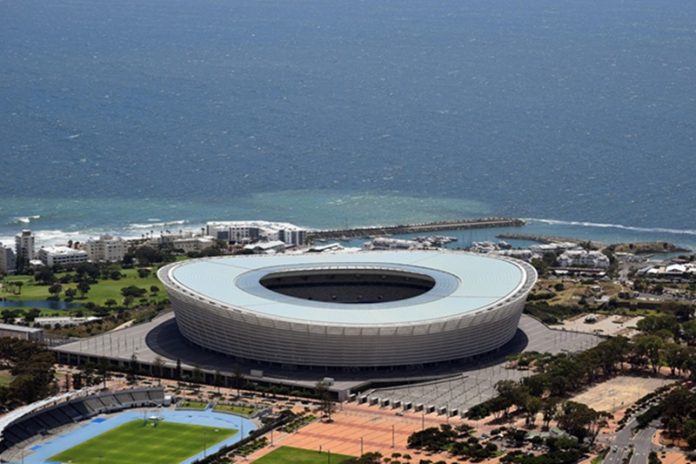
Football Urban pride, youth expression, energy Hosting the FIFA World Cup in 2010
Cricket Legacy, strategy, global connection Reaching the 1998 ICC Champions Trophy final

All three sports have brought with them to one another the “seekers of fellowship” across economic, racial, and geographical boundaries. Game day brings entire communities to a standstill, putting aside all they’re doing to support their national team or local heroes.

Moments That Moved a Nation

Years saw South Africa welcome sport to unite millions — in victory, yes, but in shared aspiration of advance and potential.

Here are some of those highlight moments:

  • 1995 Rugby World Cup Victory
  • 2010 FIFA World Cup
  • Caster Semenya’s Olympic Rise
  • Siya Kolisi’s 2019 Rugby Triumph

All of these occurrences contributed to cementing the notion that South African sport is not just physical exertion — it’s national motivation and emotional involvement.

Grassroots Energy and Township Dreams

While the national teams and professional leagues attract all the attention, the soul of South African sport is to be found in its suburbs. Township football clubs, rural cricket camps, and school sporting days are where the stars of the future are born, and communities unite.

The government and NGOs still spend money on youth agendas, but it is local coaches and volunteers who most often engage young people. These programs do more than produce athletes. They also provide leadership, discipline, and pride.

The following is a brief list of how grassroots organizations create social cohesion in South Africa:

  • Builds Safe Spaces for Youth: Sport provides order, mentoring, and constructive expression for young people from diverse communities.
  • Fosters Cross-Cultural Collaboration: Various backgrounds learn to value and trust each other.
  • Triggers the Support of the Community: Gathering games mobilize massive crowds, making everyone feel they belong to something and share in celebration.
  • Creates Role Models: Successful young sportspersons are likely to become standards for the younger generation back home.

That is why sports continue to be an established tool for both individual change and residents’ pride, particularly for low-income communities.

More Than Medals: Sport as a Mirror

In South Africa, it is far from flawless. It remains hobbled by imbalances of resources, unaffordability, and the imperative for wider inclusion. And yet it remains a mirror, reflecting the nation is, and where it is capable of progressing.

The manner in which fans come out to support teams like Banyana or Proteas stars indicates a new appreciation for talent without the old restrictions. And though the singing in the stands is deafening, the behind-the-scenes work that no one sees — coaches, organizers, parents drives this camaraderie.

It is what makes sport in South Africa so distinct: the manner in which it displays the nation’s own personality: tough, optimistic, bright, and ready to confront its own contradictions. From the playground to the Olympic platform, it still creates new avenues for people to believe in themselves — and in a brighter future.

Unity Has a Jersey Number

In a nation still grappling with the past and shaping the future, sport yet has something deeply powerful to offer: common purpose. In victory and defeat, in laughter and tears, South Africans find commonality in one of the most inclusive forms of shared language they possess — competition, passion, and pride.

CoreWeave Raises $1.5 Billion in Debt Amid $6 Billion AI Data Center Push

0

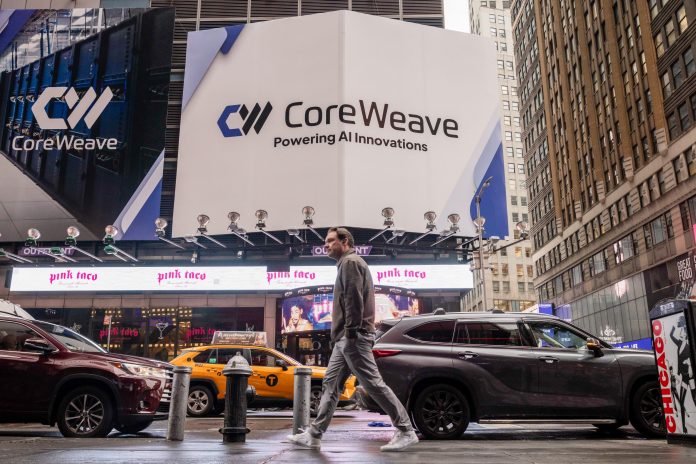
CoreWeave has announced a $1.5 billion private offering of senior unsecured notes due 2031 as it doubles down on infrastructure expansion, even as analysts raise alarms over its ballooning debt and operational risks.

The debt raise comes just days after the AI cloud infrastructure company unveiled plans to invest over $6 billion in a new purpose-built data center campus in Lancaster County, Pennsylvania—its largest project to date.

The company, which went public earlier this year, said the funds from the note offering would go toward refinancing existing debt, covering related issuance costs, and for general corporate purposes. The offering, expected to close this week, is backed by guarantees from its subsidiaries.

The move is widely seen as an attempt to stabilize CoreWeave’s balance sheet as the company ramps up capital expenditures to support surging AI demand. CoreWeave, which has grown into one of the largest AI-focused GPU cloud providers in the United States, is racing to build the physical and compute infrastructure needed to support next-generation AI workloads.

At the center of this expansion is its $6 billion commitment to the Lancaster facility, which will initially deliver 100 megawatts of capacity, scalable up to 300 megawatts. CoreWeave says the site will create between 600 and 1,000 construction jobs during its build-out phase and around 70 to 175 permanent jobs once operational.

The project was announced last week during the Pennsylvania Energy & Innovation Summit, which featured high-level participation including President Trump, and was positioned as part of a broader national push to keep the U.S. ahead in AI infrastructure development.

The site will be outfitted with cutting-edge Nvidia GPUs and other custom accelerators, tailored to support large AI agents and workloads that exceed the capacity of conventional data centers.

Yet the bold expansion is not without major risks. HSBC analysts, in a rare move last week, initiated coverage on CoreWeave with a “Reduce” rating, citing concerns over the company’s financial health. According to HSBC, CoreWeave’s current ratio is just 0.44, indicating potential short-term liquidity pressure. Even more alarming, net debt to equity could hit a staggering 10× once the $1.5 billion notes are factored in. That level of leverage could trip financial covenants and limit the company’s flexibility to raise further capital or refinance in the future.

Operating costs are also a mounting concern. HSBC estimates that maintenance capex could reach 35% of revenue by 2030, and power costs alone could erode margins across CoreWeave’s hyperscale AI offerings. Energy demands from the Pennsylvania site could exacerbate these risks. Just days before CoreWeave’s announcement, Pennsylvania Governor Josh Shapiro warned of potential strain on the state’s electrical grid due to surging AI-related demand.

Meanwhile, analysts also flagged that CoreWeave’s client base is dangerously concentrated. Microsoft accounted for more than 60% of CoreWeave’s revenue in 2024, exposing the company to sudden changes in demand or contract restructuring. This comes despite growing partnerships with other tech giants like Nvidia, Amazon, and OpenAI, and the launch of W&B Weave—CoreWeave’s new platform-as-a-service product—on the AWS Marketplace via its Weights & Biases division.

Shares of CoreWeave surged as much as 8% following the Pennsylvania announcement, reflecting market optimism around the company’s AI infrastructure play. But the enthusiasm has not erased broader investor anxiety. JPMorgan analysts are urging caution, pointing out that the $59 billion company’s rapid capital deployment could outpace its actual earnings potential, especially if AI growth slows or power shortages worsen.

With this aggressive expansion strategy, CoreWeave is positioning itself as a critical pillar of the U.S. AI ecosystem. But as the company leans heavily on debt to fund its ambitions, it’s walking a financial tightrope. Whether the bet on AI infrastructure pays off—or collapses under its own weight—will depend on its ability to balance capital discipline with technical execution.

Nigeria’s Current Account Surplus Faces Sharp Decline Amid Oil Price Weakness and Income Deficits

0

Nigeria is bracing for a significant drop in its current account surplus in 2025, with the balance expected to shrink to 2.7% of GDP, down from a robust 9.2% in 2024.

This projection is detailed in the H2 2025 Economic Outlook released by CSL Stockbrokers Limited, a subsidiary of FCMB Group Plc, and signals mounting external vulnerabilities for Africa’s biggest oil exporter.

According to CSL, the sharp moderation stems from weakening global oil prices, growing deficits in the services and primary income accounts, and an overall worsening in trade dynamics. Despite a brief spike in oil price forecasts triggered by geopolitical tensions between Israel and Iran earlier in the year, those gains proved short-lived. Analysts now forecast average oil prices to range between $60 and $70 per barrel for the rest of 2025, a sharp drop from previous years.

“Although earlier tensions from the Israel-Iran conflict momentarily lifted oil price forecasts, those concerns have since waned,” CSL stated in its report. “We now expect average oil prices to settle between $60 and $70 per barrel through the remainder of the year.”

Trade Balance Pressured by Falling Exports

Oil prices in the first half of 2025 were reportedly 15% lower than in the same period last year. That has prompted CSL to revise Nigeria’s oil export forecast downward, expecting a 20% year-on-year contraction to $36.4 billion. Crude oil still makes up about 86% of the country’s total exports, underscoring how deeply Nigeria’s external balance is tethered to global oil markets.

While imports are also projected to decline—mainly as Dangote Refinery ramps up production and reduces Nigeria’s reliance on imported fuel—the fall in exports is expected to outweigh the import compression. This imbalance threatens to widen Nigeria’s trade deficit, even as import substitution efforts gain momentum.

“The goods trade balance will remain constrained as the decline in imports is unlikely to match the drop in oil exports,” CSL warned.

Services and Income Accounts Continue to Weaken

Compounding the situation are persistent deficits in the services and income accounts. Nigeria’s services account—driven largely by international travel, shipping, and aviation—has posted a consistent annual deficit of roughly $13.7 billion over the past five years. Although there is a weakened naira and rising travel costs that may dampen foreign travel slightly, the services gap is unlikely to close in the near term.

Even more troubling is the deterioration in the primary income account. Higher repatriation payments to foreign portfolio investors and oil multinationals are eating into Nigeria’s surplus. These payments are rising as foreign investor activity rebounds, with equity market participation reaching 29% year-to-date in May, up from 20% in the same period in 2024.

Remittance Inflows Steady—But Now at Risk

One area that continues to provide some cushion is remittance inflows, which are projected to rise to $25.3 billion in 2025, up from $23.8 billion in 2024. These flows—captured under the secondary income account—have been critical in supporting Nigeria’s balance of payments amid growing external pressures.

However, new risks are emerging. A proposed U.S. bill that would impose a 5% tax on outbound remittances could directly impact Nigeria, one of the world’s top recipients of diaspora inflows. CSL warned that this legislation, if passed, could undermine government efforts to attract $1 billion monthly in remittance inflows.

“Government efforts to attract $1 billion in monthly inflows may come under pressure if the U.S. legislation is passed,” the firm said.

Oil Prices Remain the Wild Card

Ultimately, CSL emphasized that oil price movements and production volumes remain the biggest risks to Nigeria’s current account outlook. In a downside scenario where oil prices fall below $55 per barrel—even if production remains stable around 1.22 million barrels per day—Nigeria could slide into a current account deficit of 0.3% of GDP.

In contrast, a modest rebound in prices toward $70 per barrel could boost the surplus by 1 to 2 percentage points, offering some relief to the country’s external reserves and naira exchange rate.

Contrast with World Bank Outlook

Interestingly, CSL’s outlook contrasts with that of the World Bank, which in its April 2025 Africa’s Pulse report projected Nigeria’s current account surplus to rise slightly from 9.2% of GDP in 2024 to 9.4% by 2026. The World Bank attributed its optimistic forecast to the naira’s depreciation, which it says will help curb imports while boosting worker remittances.

Regionally, the World Bank also noted marginal improvement across Sub-Saharan Africa, where the current account deficit is projected to decline from 3.4% of GDP in 2023 to 2.4% in 2024.