DD
MM
YYYY

PAGES

DD
MM
YYYY

spot_img

PAGES

Home Blog Page 913

U.S. Treasury Department Withdraws Appeal Against Tornado Cash

1

The U.S. Treasury Department has withdrawn its appeal in the Tornado Cash sanctions case, effectively ending a legal battle with Coin Center, a crypto advocacy group. On July 7, 2025, the Eleventh Circuit Court of Appeals granted a joint motion to vacate the prior judgment and dismiss the case, following the Treasury’s Office of Foreign Assets Control (OFAC) removing Tornado Cash from its sanctions list in March 2025. The sanctions, imposed in 2022, had targeted the Ethereum-based privacy mixer for allegedly facilitating money laundering, including by North Korea’s Lazarus Group. The dismissal means OFAC’s sanctions guidance is no longer enforceable, marking a significant shift in policy toward decentralized technologies.

Despite this, Tornado Cash co-founder Roman Storm still faces a criminal trial on July 14, 2025, in New York for money laundering and sanctions violations. Another developer, Alexey Pertsev, was convicted in the Netherlands in May 2024 and is appealing a 64-month sentence. The case highlights ongoing tensions between privacy, innovation, and regulatory oversight in the crypto space, with implications for how decentralized protocols are governed.

Tornado Cash’s TORN token spiked after the news, but the platform’s future remains uncertain amid regulatory scrutiny. The U.S. dropping its appeal in the Tornado Cash case carries significant implications for the cryptocurrency industry, privacy rights, and regulatory frameworks, while deepening the divide between stakeholders advocating for innovation and those prioritizing law enforcement and compliance.

The dismissal of the appeal and Tornado Cash’s removal from OFAC’s sanctions list suggest a potential shift in how the U.S. government approaches decentralized technologies. It implies that sanctioning open-source software or protocols without clear control by a single entity may face legal challenges, setting a precedent that could protect other privacy-focused tools like mixers or decentralized finance (DeFi) platforms.

However, this does not grant blanket immunity. Regulators may pivot to targeting developers or users of such protocols, as seen in the ongoing criminal cases against Tornado Cash co-founder Roman Storm and developer Alexey Pertsev. The case underscores the tension between privacy rights and anti-money laundering (AML) efforts. Tornado Cash, designed to anonymize Ethereum transactions, was lauded by crypto advocates for protecting user privacy but criticized by regulators for enabling illicit activities, including North Korea’s Lazarus Group laundering funds.

The outcome may embolden privacy advocates, but regulators are likely to push for stricter know-your-customer (KYC) and AML requirements on crypto platforms, potentially stifling innovation in privacy tech. The criminal cases against Storm and Pertsev highlight the risk developers face when creating tools that can be misused. This could deter open-source development in the crypto space, as developers may fear prosecution even if their code is neutral and publicly available.

Clarification on developer liability is urgently needed, as the current ambiguity creates a chilling effect on innovation. The TORN token’s price surge post-news reflects market optimism, but Tornado Cash’s operational future remains uncertain due to ongoing scrutiny and potential new regulations. Crypto exchanges and DeFi platforms may face pressure to delist or restrict privacy-focused tokens or services, limiting user access to tools like mixers.

The U.S. case contrasts with the Netherlands’ conviction of Pertsev, signaling differing approaches to regulating crypto privacy tools. This patchwork of regulations complicates compliance for global projects and could drive innovation to jurisdictions with clearer or more lenient rules. Advocates (e.g., Coin Center, EFF) argue that Tornado Cash is neutral technology, akin to the internet or encryption, and sanctioning it infringes on free speech and innovation. They view the case’s outcome as a victory for decentralized systems and privacy rights.

Regulators (e.g., OFAC, DOJ) emphasize the need to curb illicit finance, citing Tornado Cash’s use in laundering over $7 billion, including by state-sponsored actors. They argue that unchecked privacy tools undermine national security and AML frameworks. Privacy proponents see anonymizing tools as essential for protecting individuals from surveillance, especially in authoritarian regimes. They frame the case as a defense of fundamental rights.

Transparency advocates, including law enforcement, argue that anonymity enables crime, from ransomware to sanctions evasion, necessitating oversight and traceability in blockchain transactions. Innovators fear that aggressive enforcement stifles the crypto industry, pushing developers and projects offshore or underground. The threat of liability for open-source code could halt progress in DeFi and Web3.

Compliance-focused stakeholders, including traditional finance and some crypto firms, support regulation to legitimize the industry and attract institutional investment, even if it means sacrificing some decentralization or privacy. The case highlights a schism within crypto itself. Decentralized purists champion permissionless systems like Tornado Cash, while centralized exchanges and projects increasingly align with regulatory demands, creating friction over the industry’s core values.

The U.S. may refine its approach to sanctioning crypto tools, possibly targeting specific actors rather than protocols, but global coordination remains elusive. Developers and users face heightened risks, and the industry may see a split between compliant, centralized platforms and underground, privacy-focused alternatives. The Tornado Cash saga will shape future debates on balancing innovation, privacy, and security, with each side digging in on their vision for crypto’s future.

Tesla Board Urged to Rein In Musk as Political Foray Deepens Investor Concerns, Fueling Stock Decline

0

Tesla’s board of directors is under mounting pressure to rein in CEO Elon Musk, after his surprise declaration on July 4th that he’s forming a political movement dubbed the “America Party” triggered a sharp selloff in Tesla stock.

The electric carmaker’s shares plunged nearly 7% on Monday, erasing over $68 billion in market capitalization — the latest blow in a year that has seen the company underperform its Big Tech peers and lose about a quarter of its value.

Wall Street, long known to indulge Musk’s unorthodox leadership style, is now calling for boundaries. Wedbush Securities analyst Daniel Ives, typically bullish on Tesla, published a scathing note Tuesday urging Tesla’s board to “act now,” warning that Musk’s deepening political entanglements could derail the company’s future at a pivotal moment.

Musk’s Politics, Tesla’s Pain

Musk’s announcement of a third political party — one that he claims could influence 2–3 Senate seats and 8–10 House races — has jolted markets and intensified scrutiny on whether he can remain fully committed to Tesla’s mission at a time of rising global competition and slowing EV sales.

“This is a tipping point in the Tesla story,” Ives wrote. “The company cannot have Musk spending more and more time creating a political party which will require countless time, energy, and political capital.”

His proposed remedy: the board must swiftly roll out a new pay package granting Musk 25% voting control, establish clear limits on how much time Musk spends away from Tesla, and implement formal oversight on his political activities.

That first proposal, ironically, aligns with Musk’s own desire to consolidate more power at Tesla — yet the billionaire dismissed the advice with a terse “Shut up” directed at Ives on social media.

Still, Ives doubled down in a statement to CNBC: “Elon has his opinion and I get it, but we stand by what the right course of action is for the Board.”

Earlier this year, Musk was instrumental in launching the so-called Department of Government Efficiency (DOGE) under the Trump administration, a controversial unit tasked with slashing federal bureaucracy. His exit from that role in May had temporarily calmed investor nerves — until the party announcement reopened old wounds.

Now, analysts and stakeholders are openly questioning whether Tesla’s board has the independence or willpower to rein in Musk.

“Tesla is entering a key autonomous and robotics future ahead,” Ives wrote. “The Board needs to act with Musk and create the framework for Tesla to thrive. It starts now.”

William Blair analysts followed suit, downgrading Tesla stock this week from “buy” to “hold.” Their note cited Musk’s “distraction” and predicted continued downside for Tesla if his political energy isn’t redirected back toward mission-critical operations like the robotaxi rollout and AI development.

“We would prefer this effort to be channeled towards the robotaxi rollout at this critical juncture,” the analysts wrote. “Investors are growing tired.”

Even pro-Musk voices are showing discomfort. James Fishback, CEO of hedge fund Azoria Partners and a vocal Trump supporter, said over the weekend that his firm was shelving plans for an exchange-traded fund focused on Tesla.

“Elon has gone too far,” Fishback said on X. He urged Tesla’s board to meet immediately, ask Musk to clarify his intentions, and determine whether they are compatible with full-time CEO responsibilities.

Market Risks Mount, While Tesla Stumbles

Tesla’s challenges go beyond boardroom dynamics. The company reported a 14% drop in car deliveries in Q2 — its largest year-over-year decline in years — as global competition, particularly from China’s BYD, intensifies. BYD has now overtaken Tesla as the world’s top EV seller, a development analysts say reflects how geopolitical tensions and local preferences are shifting EV demand.

In the U.S., political uncertainty is now colliding with the business model. Musk has criticized a new federal spending bill cutting EV subsidies and support for solar and wind — key areas that have historically boosted Tesla’s fortunes. His fallout with President Trump, who now calls the Tesla boss “off the rails,” adds a layer of unpredictability in a market that’s increasingly policy-sensitive.

Musk’s political persona may also be eroding Tesla’s global brand appeal, especially in Europe, where environmentally conscious consumers are souring on the company. Analysts say that the billionaire’s polarizing rhetoric risks alienating large swaths of the customer base, just as newer entrants and legacy automakers ramp up their EV offerings.

Amid all this, Tesla is still locked in a legal battle over Musk’s compensation. A Delaware judge voided his historic $56 billion pay package in January, ruling that the board failed to negotiate the deal independently or at arm’s length. That case is under appeal, and Tesla is currently deliberating what a new package should entail — a process now complicated by Musk’s public threats to shift focus elsewhere unless his control is secured.

Compounding concerns, Tesla has yet to deliver on key promises. The Cybertruck rollout, touted to boost the company’s declining sales, was a flop. The company’s highly touted robotaxi platform remains largely in testing, while competitors like Waymo and Cruise have moved ahead in select U.S. cities. Tesla’s solar energy business has also stagnated, and Full Self Driving (FSD) remains in beta despite years of promotion.

For many investors and analysts, this moment feels like an inflection point. The debate now centers on whether Tesla can evolve from a company led by a mercurial visionary into a more stable, shareholder-focused enterprise — or whether Musk’s increasingly personal battles will continue to eclipse its mission.

Musk and Tesla’s board — including chair Robyn Denholm and IR chief Travis Axelrod — have not responded to the growing criticism. The silence is deepening frustration among shareholders looking for reassurance that someone at the company is steering the wheel.

SpaceX Moves to Raise New Capital in Deal That Could Lift Valuation to $400bn

0

SpaceX is in talks to raise fresh capital through an internal share sale that would boost its valuation to approximately $400 billion, marking another milestone in the company’s remarkable rise as the world’s most valuable private space firm.

The deal, first reported by Bloomberg and corroborated by other outlets including The Information and Financial Times, is structured to raise new money while also offering a path for employee liquidity.

The dual-track transaction would include a primary fundraising round—targeting a small group of insiders and investors—as well as a tender offer, allowing current and former SpaceX employees to cash out a portion of their shares. This mechanism has become routine for SpaceX, which typically holds two such tender events each year, offering workers a rare chance to monetize their equity in the privately held company.

The tender is expected to price shares at about $212 apiece, up significantly from the $97 range seen just two years ago. The $400 billion valuation represents a jump from $350 billion during the company’s last tender offer in December 2024, and it more than triples SpaceX’s valuation from 2021, when the firm crossed the $100 billion mark for the first time.

Valuation Surge Fueled by Starlink, Starship

Since its founding by Elon Musk in 2002, SpaceX has steadily climbed to the forefront of the global aerospace and satellite internet industries, propelled by ambitious projects that now span:

Commercial and government launches: SpaceX controls more than half of the global market for orbital launches and has become the primary launch partner for NASA and the Pentagon.

Starlink: Its satellite internet business now serves over 3 million users worldwide, offering high-speed broadband via a growing constellation of low-Earth orbit satellites.

Starship: Still in development, this next-generation, fully reusable rocket is central to future deep-space missions and NASA’s Artemis program for lunar exploration.

The company’s tight grip on commercial launch services, expanding broadband footprint through Starlink, and high-stakes Starship ambitions continue to drive investor interest—and the massive valuation.

Internal Tender: Incentive and Retention Tool

This internal share sale isn’t just about raising cash. It’s also a strategy to reward and retain top talent in a firm that remains private despite growing interest in a potential IPO.

Under the terms of the current offer, select employees and former staff can sell their shares—though SpaceX often requires minimum thresholds to participate, sometimes $1 million or more. Past tender rounds have seen SpaceX itself buy back shares as well.

While Elon Musk has long resisted taking the company public, citing the quarterly pressures and regulatory headaches of the stock market, these regular liquidity events serve as a substitute for IPO-like compensation.

The new capital raise comes at a time of heightened investor sensitivity, as some analysts begin to question the sustainability of private tech valuations amid rising interest rates and macroeconomic uncertainty.

SpaceX remains a capital-intensive company. The Starship project alone has cost billions, with testing and development ongoing. Despite recent progress, full deployment for deep-space missions is still likely years away. Meanwhile, the global rollout of Starlink continues to require heavy investment in satellites, ground infrastructure, and international regulatory compliance.

Still, the upside for SpaceX is substantial. If Starlink achieves its targeted revenue scale, and if Starship delivers on its promise of fully reusable space travel, the company could transform global space economics.

IPO? Not Anytime Soon

Despite the swelling valuation, Elon Musk has repeatedly signaled that SpaceX will remain private for the foreseeable future, particularly because he wants to keep control of long-term missions like Mars colonization without shareholder interference.

This has led to growing speculation among analysts and investors about whether Starlink could eventually be spun off and taken public. Musk has said that’s possible, but only once Starlink achieves financial stability and predictable revenue—something he says is still a few years away.

Several analysts suggest the $400 billion valuation may still be justified, despite concerns about froth in private tech markets. With recurring revenue from Starlink, steady launch income from commercial and government contracts, and exclusive dominance in heavy-lift capabilities, SpaceX is in a category of its own.

The details of the deal, including the exact size of the funding round and tender offer, remain fluid. SpaceX has not publicly confirmed the numbers or participants. But if finalized as planned, the deal would reinforce SpaceX’s dominance in the global private space sector and further cement its lead in the race for a future beyond Earth.

Germany, Poland Working To Reduce Border Traffic Disruptions, As Drug-Related Deaths Go up in Germany

0

Germany and Poland are working to reduce traffic disruptions caused by recent border checks, which were intensified due to migration control measures. Germany began stricter border controls in October 2023, escalating in May 2025 under its new conservative-led government, aiming to curb irregular migration. In response, Poland announced temporary checks starting July 7, 2025, at its borders with Germany and Lithuania, citing reciprocity and concerns over migrants being returned from Germany.

To ease traffic snarls, particularly on the A12 motorway, Brandenburg’s Premier Dietmar Woidke and Poland’s Lubusz region leader Marcin proposed solutions like adding a third lane for checks. Woidke also suggested joint German-Polish police patrols to improve coordination. Poland’s checks will focus on vehicles with multiple passengers, buses, and those with tinted windows, with no physical barriers but narrowed lanes and signs to slow traffic.

These measures aim to balance migration control with minimizing delays, though the dispute strains the Schengen Area’s free movement principle, with both nations facing domestic pressure over migration policies. No specific data on current traffic conditions was available, but travelers are advised to check Poland’s Border Guard or Germany’s Federal Police websites for updates, especially during high-traffic periods like weekends.

The intensified border checks between Germany and Poland, aimed at controlling irregular migration, carry several implications. Prolonged border delays disrupt trade and supply chains, particularly affecting the A12 motorway, a key route for goods between Germany and Poland. The Lubusz region, heavily reliant on cross-border commerce, could face economic losses if traffic snarls persist. Small businesses and logistics companies may see increased costs due to delays.

The reciprocal border controls challenge the Schengen Agreement’s principle of free movement. This could set a precedent for other member states to impose similar measures, potentially eroding trust and cooperation within the EU. The dispute highlights broader EU disagreements on migration policy. In Germany, the conservative-led government’s stricter migration stance reflects domestic pressure to address irregular migration, but it risks straining relations with Poland.

In Poland, the checks are partly a political response to Germany’s actions, with Prime Minister Donald Tusk facing criticism from nationalist factions. This could escalate bilateral tensions or fuel anti-EU sentiment in both countries. Increased border scrutiny may deter irregular migration but could also lead to harsher treatment of migrants, with reports of “pushbacks” raising human rights concerns. Local communities near border areas may experience heightened social tensions due to visible migration controls.

While measures like additional lanes and joint patrols aim to mitigate delays, commuters, tourists, and cross-border workers may still face significant inconvenience, especially during peak travel times. This could impact tourism and daily cross-border activities in regions like Brandenburg and Lubusz. The situation underscores the need for a unified EU migration policy.

Without it, ad-hoc border controls may become more common, potentially leading to permanent changes in how Schengen borders are managed. Proposed solutions like joint patrols and infrastructure adjustments may alleviate immediate issues, but resolving the underlying migration dispute will require broader EU-level coordination. Travelers should monitor updates from Poland’s Border Guard or Germany’s Federal Police for real-time border status.

Germany Recorded 2137 Drug-Related Deaths In 2024

In 2024, Germany recorded 2,137 drug-related deaths, a slight decrease from 2,227 in 2023, marking the second consecutive year with over 2,000 fatalities. This number reflects a 14% increase in drug-related deaths among those under 30 compared to the previous year. Experts attribute the high mortality rates to the rise in synthetic opioids, such as fentanyl and nitazenes, and increased polydrug use, with 1,707 cases involving multiple substances like heroin, opioid substitutes (e.g., methadone), crack cocaine, and amphetamines.

The Federal Criminal Police Office noted a 12% increase in drug-related deaths from 2022 to 2023, with a near doubling over the past decade. Opioids remain the leading cause, with heroin involved in 728 deaths in Germany in 2022, though cocaine, crack, and opioid substitution-related deaths are also rising. Authorities are calling for enhanced prevention, drug-checking programs, and harm reduction strategies like supervised consumption sites to address this ongoing crisis.

The persistent high death toll, especially the 14% spike among those under 30, underscores a public health emergency driven by synthetic opioids (e.g., fentanyl, nitazenes) and polydrug use. The rise in deaths linked to heroin (728 in 2022), cocaine, and opioid substitutes like methadone highlights the need for expanded harm reduction measures, such as supervised consumption sites and drug-checking programs to detect lethal substances like fentanyl.

Drug-related deaths disproportionately affect marginalized groups, including low-income individuals and those with mental health issues. The economic burden includes healthcare costs, lost productivity, and increased strain on social services. For instance, Berlin’s drug consumption rooms, while effective, face funding challenges, limiting their scalability. The data pushes for stronger policy responses, but Germany’s coalition government faces challenges balancing prevention, treatment, and enforcement.

The rise in synthetic opioids, often mixed with other drugs, complicates regulation and enforcement, as these substances are harder to detect and control compared to traditional drugs like heroin. Stigma around drug use hinders open discussion and access to treatment. The increase in deaths among younger people signals a need for targeted education and prevention campaigns, particularly addressing the risks of recreational polydrug use and synthetic opioids.

Urban areas like Berlin and Frankfurt, with established harm reduction infrastructure (e.g., drug consumption rooms), see better management of drug-related issues compared to rural areas, where access to treatment and prevention is limited. This creates a geographic disparity in outcomes and mortality rates. There’s a divide between advocates of harm reduction (e.g., supervised consumption sites, decriminalization) and those favoring stricter enforcement. Progressive groups push for drug-checking and decriminalization, citing Portugal’s success, while conservative factions argue for tougher policing, fearing leniency could normalize drug use.

The 14% rise in deaths among under-30s reflects a generational divide. Younger users, often engaging in recreational polydrug use, face higher risks from synthetic opioids, which are increasingly prevalent in party scenes. Older users, more likely to struggle with chronic addiction (e.g., heroin), face different treatment needs, complicating a one-size-fits-all approach. Wealthier individuals have better access to private rehabilitation and mental health services, while lower-income groups rely on overstretched public systems. This socioeconomic divide exacerbates disparities in recovery outcomes and exposure to lethal street drugs.

Expanding drug-checking programs and supervised consumption sites, especially in rural areas, could reduce deaths. Germany’s 2024 data suggests these measures are underutilized outside major cities. Tailored prevention campaigns for young people, focusing on the dangers of synthetic opioids in recreational settings, are critical. Simultaneously, expanding opioid substitution therapy (e.g., methadone) could address chronic addiction among older users.

Decriminalization of small amounts of drugs, coupled with increased funding for treatment, could reduce stigma and improve outcomes, though political divides make consensus challenging. Reducing stigma through education and open dialogue can encourage earlier intervention and treatment-seeking, addressing the social divide in how drug use is perceived. The situation demands a multifaceted approach, balancing immediate harm reduction with long-term prevention and treatment strategies to address both the crisis and its underlying divides.

Rishi Sunak Rejoins Goldman Sachs as Senior Adviser, Sparks Conversation on Contrasting Nigeria’s Political Culture

0

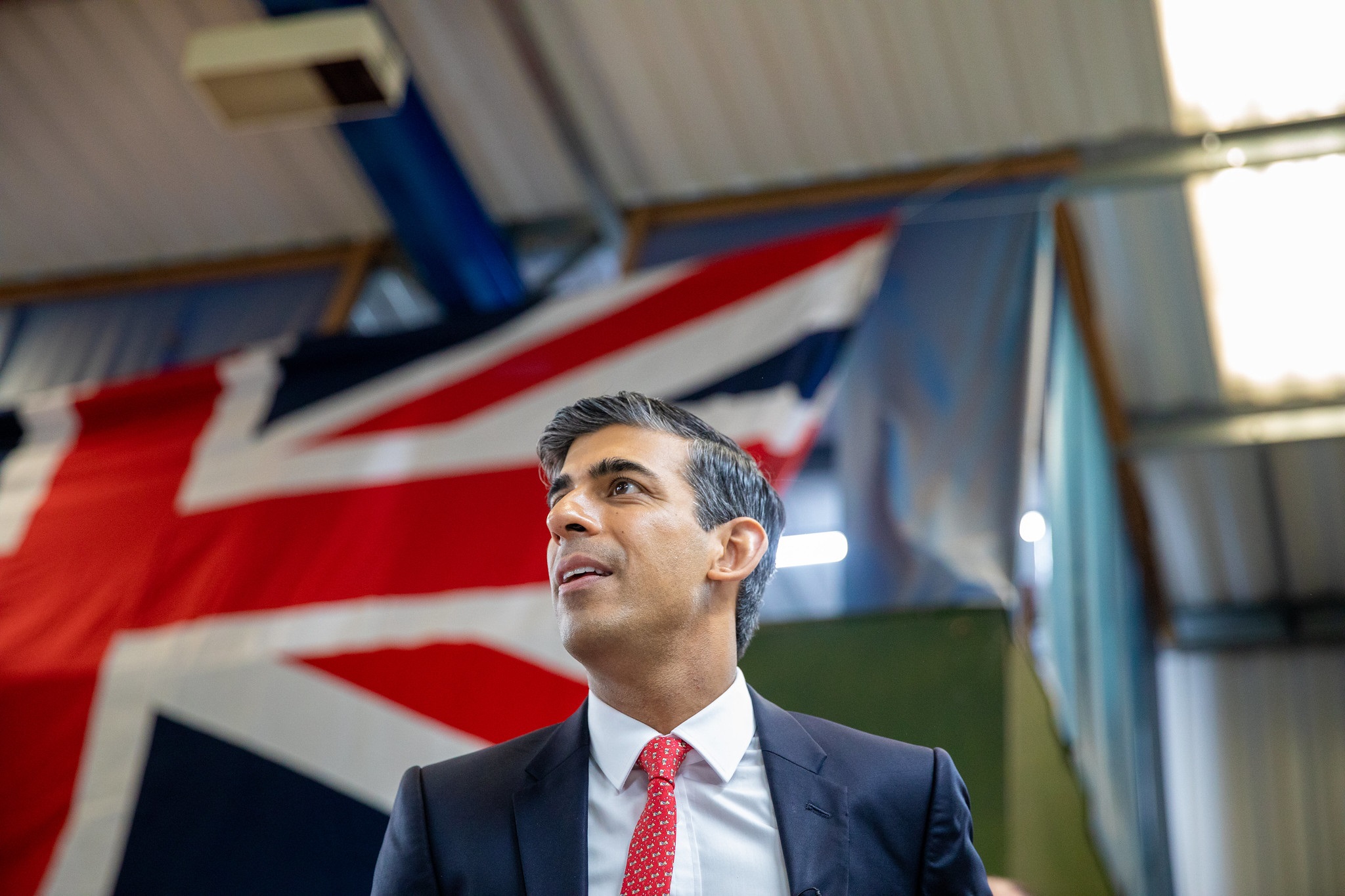
Former UK Prime Minister Rishi Sunak is returning to his financial roots, having accepted a senior advisory role at Goldman Sachs, the investment bank where he began his professional career more than two decades ago.

The move, announced Tuesday, marks Sunak’s first major engagement since stepping down as Conservative Party leader following a landslide election defeat to Labour in July 2024.

Goldman Sachs CEO David Solomon confirmed the appointment, saying, “I am excited to welcome Rishi back to Goldman Sachs in his new capacity as a senior adviser.” Sunak is expected to provide guidance to the bank’s executives and clients on global economic and geopolitical issues and contribute to the development of Goldman’s talent around the world.

The new role comes as Sunak, who still serves as Member of Parliament for Richmond and Northallerton, continues to keep a low profile after the Conservative Party’s historic collapse—its worst election result in a century, plunging from 365 seats in 2019 to just 121. He has so far resisted calls to quit politics altogether but said he would remain on the backbench for the remainder of the current Parliament.

Sunak’s reappointment at Goldman Sachs marks a return to familiar territory. He first joined the firm as a summer intern while studying at Oxford University in 2000 and later worked there as a junior analyst between 2001 and 2004. After leaving the bank, he went on to work with hedge fund The Children’s Investment Fund (TCI), founded by billionaire Chris Hohn, and later its spin-off, Theleme Partners.

While the salary for his new role has not been disclosed, Sunak has committed to donating his Goldman Sachs pay to the Richmond Project, a charity he and his wife, Akshata Murty, established to improve numeracy skills in the UK. The couple’s estimated wealth, primarily drawn from Murty’s stake in the Indian tech firm Infosys, stands at around £640 million.

The appointment was approved by the Advisory Committee on Business Appointments (Acoba), the UK government’s watchdog for post-office employment. However, the committee imposed a number of restrictions to prevent any conflict of interest or unfair access to government. Sunak must avoid lobbying the UK government on Goldman’s behalf, leveraging his past government contacts, or providing advice related to government contracts or bids for another year.

“Your role with The Goldman Sachs Group, Inc, should be limited to providing advice on strategy, macroeconomic and geopolitical matters that do not conflict with your time as Prime Minister,” Acoba said in a letter published Tuesday.

The Contrast: Nigeria Can’t Relate

While the news was largely welcomed in the UK as a positive example of a former head of government transitioning to other sectors of public service and global business, it sparked a markedly different conversation in Nigeria—where it reignited criticism of the country’s political culture.

Across social media and commentary platforms, Nigerians highlighted the rarity of such a move within their own political ecosystem. Many noted that public office holders in Nigeria, regardless of party or performance, rarely exit politics voluntarily, let alone seek relevance through professional reinvention or philanthropy.

“It can never be Nigeria,” wrote one Nigerian commentator on X (formerly Twitter).

Sunak’s decision stands in sharp contrast to Nigerian political norms, where former governors, ministers, and lawmakers often treat public service as a permanent career. Notably, such figures rarely retire from politics, and instead cycle through different government positions, remaining heavily invested in political patronage networks.

The conversation has also revived broader concerns about Nigeria’s lack of institutional safeguards. Unlike the UK’s Acoba system, Nigeria has no credible oversight body with the authority to restrict the post-office activities of former public officials. Many ex-leaders retain access to state resources, influence government contracts, and continue to wield political power long after their formal exit from public roles.

Sunak’s pivot back to the private sector has, intentionally or not, become a case study in leadership transitions—and a mirror for a country like Nigeria, where the idea of exiting politics often seems implausible across the spectrum. For many, the contrast underscores a deeper institutional gap and a lingering reluctance by Nigeria’s elite to separate service from self-interest.