DD
MM
YYYY

PAGES

DD
MM
YYYY

spot_img

PAGES

Home Blog Page 919

South Korea To Integrate Crypto Firms Into Ots Official Startup Ecosystem

0

South Korea is set to integrate cryptocurrency firms into its official startup ecosystem, granting them access to significant tax incentives and supportive regulatory frameworks. This move, announced by the Ministry of SMEs and Startups, reverses a 2018 decision and aims to foster innovation in the digital asset sector by providing financial relief and encouraging sustainable growth.

By classifying crypto enterprises as venture businesses, the government seeks to enhance South Korea’s position as a competitive hub for crypto innovation in Asia, promoting increased investment and technological development. However, specific details on the tax breaks, such as the exact percentage or types of incentives, are not fully outlined in available information.

On the other hand, South Korea’s plan to impose a 20% capital gains tax on crypto profits has been repeatedly delayed, with the latest postponement pushing implementation to January 2027. Initially proposed in 2021, the tax would apply to gains exceeding 2.5 million won ($1,800), though there were discussions to raise this threshold to 50 million won ($36,000) to align with stock market tax policies and protect smaller investors.

The delay stems from concerns over market stability, inadequate regulatory infrastructure, and the risk of driving investors to offshore platforms. Critics argue that the low threshold could disproportionately affect retail traders, while supporters of the delay believe it provides time to establish a robust framework for crypto taxation.

This dual approach—offering tax breaks to crypto firms while delaying individual crypto gains taxation—reflects South Korea’s attempt to balance fostering innovation with regulatory caution. The tax breaks could attract more crypto businesses, but the postponed capital gains tax may create uncertainty for investors planning long-term strategies. Tax breaks and venture business status will reduce financial burdens, allowing crypto startups to allocate more resources to innovation, research, and expansion.

This could attract both domestic and international crypto firms to South Korea, boosting the country’s status as a crypto hub in Asia. Inclusion in the startup ecosystem grants access to government-backed programs, such as funding, incubators, and regulatory guidance, fostering sustainable business models and reducing operational risks. With tax incentives, South Korean crypto firms may gain a competitive advantage over counterparts in jurisdictions with less favorable policies, potentially drawing talent and capital from abroad.

The postponement of the 20% capital gains tax to January 2027 provides investors with a longer window to realize profits without immediate tax liabilities. This could encourage more trading and investment in crypto assets, particularly among retail investors. The repeated delays and debates over the tax threshold (2.5 million won vs. 50 million won) create uncertainty, making it harder for investors to plan long-term strategies.

Some may seek offshore platforms to avoid future taxation, potentially draining capital from South Korea’s crypto market. If the lower tax threshold (2.5 million won) is retained, smaller retail investors could face significant tax burdens, potentially discouraging participation. A higher threshold (50 million won) would protect smaller traders but may face political pushback from those advocating for equity with stock market taxation.

Supporting crypto startups could drive technological innovation, create jobs, and position South Korea as a leader in blockchain and digital asset development, aligning with global trends toward decentralized finance (DeFi) and Web3. The government’s cautious approach—offering incentives while delaying taxation—reflects an attempt to balance innovation with financial oversight. However, inadequate regulatory infrastructure could lead to risks like market manipulation or fraud if not addressed by 2027.

The tax delay may stabilize the crypto market in the short term by avoiding sudden capital outflows, but prolonged uncertainty could deter institutional investors seeking clear regulatory frameworks. By fostering a crypto-friendly environment, South Korea could compete with jurisdictions like Singapore or Dubai, which also offer favorable crypto policies. However, failure to implement a robust tax and regulatory system could undermine long-term credibility.

Investors and firms may move to jurisdictions with no or lower crypto taxes if South Korea’s tax policies become too restrictive, reducing domestic market liquidity. Tax breaks and delayed taxation could fuel speculative trading, increasing market volatility if not paired with strong oversight. Without a clear framework by 2027, the crypto sector could face challenges like insufficient investor protections or inconsistent enforcement, potentially harming public trust.

South Korea’s policies could catalyze growth in its crypto sector and enhance its global standing, but the success of these measures depends on clear, timely regulatory frameworks and balanced taxation policies to avoid unintended consequences like capital flight or market instability.


Dogecoin Price Eyes Recovery as Spot DOGE ETF Nears Approval, While Little Pepe (LILPEPE) is Positioned to Skyrocket 16702%

0

Dogecoin has been dragging its paws for weeks, but there’s fresh air in the room. With a potential Spot DOGE ETF now making headlines, traders are beginning to stir. Dogecoin might just be lining up for a sharp bounce, as recent price action shows. At the same time, a newer name is shaking the meme market. Little Pepe (LILPEPE) isn’t playing dress-up. It’s a meme coin with a working backbone: utility, roadmap, and real devs. While DOGE eyes its comeback, LILPEPE is already turning heads with an attention grabbing presale so far, with a prospect of surging by a mouthwatering 16702%.

DOGE ETF Rumors Fuel Comeback Hopes for Dogecoin

On-chain data shows that candles have stuck between $0.15 and $0.18 since early June. Each rally attempt hit a wall. But here’s the thing: the sell pressure didn’t deepen. With volume picking up and red days shrinking, we believe DOGE could be bracing for a bullish momentum. If the DOGE token gets its own spot ETF, it wouldn’t just mean attention from investors—it would open doors to institutions sniffing around for meme exposure with a safety net. Call it unlikely, but if it happens.

LILPEPE Brings Utility to Meme Tokens

While DOGE waits, Little Pepe (LILPEPE) is already making headlines. This isn’t some slap-a-frog-on-a-coin play. It’s a Layer 2 blockchain designed specifically for meme coins—fast, low-fee, and actually thought out. Think of it as a meme hub that works. At $0.0013 in its fourth presale stage, LILPEPE has already raised over $3.80 million, selling 3.23 billion out of the 3.75 billion tokens allocated for this round. The next stage will see the price increase to $0.0014. This isn’t just hype—it’s real momentum. What sets it apart? A zero-tax, EVM-compatible Layer 2 blockchain, sniper bot protection, plans for staking, NFTs, DAO voting, and a meme-focused launchpad. These features are rarely seen in the meme coin space. Additionally, Little Pepe is running a $777,000 giveaway during its presale. Ten participants will each win $77,000 worth of LILPEPE tokens. To qualify, participants must contribute a minimum of $100 in the presale. There are no complicated tasks or gimmicks—just a straightforward reward for early supporters. This kind of incentive demonstrates the team’s genuine commitment and helps build strong community loyalty from the start.

Different Speeds, Same Race

Dogecoin is riding sentiment, while LILPEPE promises utility. One has a legacy; the other has a clear plan. If DOGE clears that ETF hurdle, expect fireworks. But LILPEPE? It’s already stacking bricks, phase by phase. What happens next depends on timing. But if the market starts moving again, these two projects deserve investors’ attention for very different reasons.

For More Details About Little PEPE, Visit The Below Link:

Website: https://littlepepe.com

Rummy Cash vs. Free Games: Which One Should You Play?

0

There’s no denying that rummy has steadily become one of the most popular online games in recent years. The combination of excitement, fun, and mental stimulation has worked wonders in terms of attracting people across all generations to this wonderful game, as you may already know. However, there are two forms of the game that you will come across these days, namely rummy cash and free rummy games. Which one should you play? That’s what we aim to help you decide in this article.

Rummy Cash vs. Free Games- What Floats Your Boat?

Most popular rummy app offer both free and cash versions of the popular game, as you’ll find. Now, what suits you depends on the level you are at. Let us look at a comparison below.

Free Rummy Games

These games are more suitable for beginners. By this, we mean those who are just learning the game or starting to play it. If you fall in this category, they will enable you to get a feel of how the game works in a real environment. You can get a sense of playing against rivals, observing their hands, arranging sets and sequences swiftly, and learning how to reason and strategise from start to finish. The benefits thus include being able to practice and hone your skills without competing for real money, which comes with its own set of challenges.

Casual gamers should also embrace free rummy games, with or without proper experience. If you are not as experienced, these games are right for you. They will give you the right platform to practice before things get serious. Even if you’re experienced and just want a casual and fun time every now and then, this is the format to opt for. You don’t have to put in any money to play these games as well.

Real Money Rummy

Most leading rummy apps have real-money games available. You can compete with players from across the country for prize money and various rewards. These games follow the same rules as free rummy, but the competition is more intense, featuring seasoned opponents. You’ll need sharp observation, reasoning, and strategy to complete your sets and sequences swiftly and win. Hence, if you’re looking for a serious rummy experience and have the necessary skills, this is the format to opt for.

If you are already experienced as a player and want a more mentally stimulating and intense game, this is the one you should choose. Of course, the benefits also don’t stop there; you can actually win handsome rewards and take part in tournaments to win prize money. Yet, you need to pay entry fees to play at this level. Additionally, note that some Indian states prohibit real-money rummy. So, it all depends on your budget and local regulations as well.

Which One Should You Choose?

It all depends on your preferences, gaming intentions, budget, and experience or skill levels. Take a look at the comparison above and make a decision accordingly. Happy gaming!

Tether’s 80-Ton Gold Stockpile Enhances Its Financial Clout And Hedges Against Fiat Risks

0

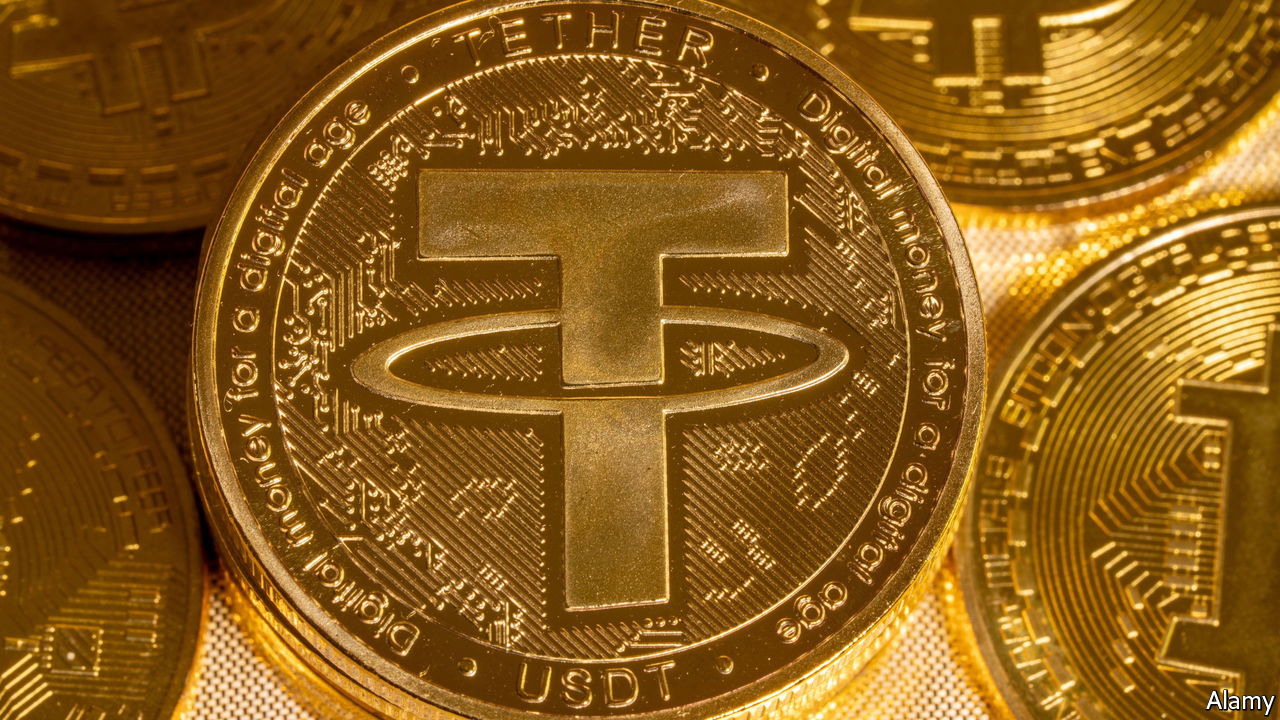
Tether Holdings SA, the issuer of the world’s largest stablecoin USDT, reportedly holds nearly 80 tons of gold, valued at approximately $8 billion, in a private vault in Switzerland. This makes Tether one of the largest gold holders globally outside of banks and nation-states. The company, headquartered in El Salvador, owns the majority of this stockpile outright, with the vault described by CEO Paolo Ardoino as “the most secure vault in the world.” The exact location and establishment date of the vault remain undisclosed for security reasons.

Tether’s gold reserves, which include 7.7 tons backing its gold-backed token XAUT (valued at around $819 million), represent nearly 5% of its $112 billion reserve portfolio, according to a March 2025 attestation. The decision to store gold in its own vault rather than using third-party custodians was driven by cost savings, as commercial vault operators typically charge around 50 basis points. Ardoino emphasized gold’s role as a hedge against fiat currency instability, citing rising U.S. debt and increasing gold purchases by BRICS central banks as factors driving demand. However, only a small fraction of Tether’s USDT reserves (less than 5%) is backed by gold, raising questions about the transparency of the remaining 95% of assets supporting USDT’s peg, as no full audit has been conducted.

Regulatory challenges may also impact Tether’s strategy, as U.S. and EU regulations could require stablecoin reserves to prioritize cash and government bonds, potentially forcing Tether to adjust its gold holdings. Despite this, Tether’s gold position is comparable to that of major banks like UBS Group AG, highlighting its significant presence in the precious metals market.

Tether’s 80-ton gold reserve, positioning it among the largest non-bank, non-state holders, could influence gold market dynamics. Its substantial holdings may contribute to price stability or volatility, depending on Tether’s buying or selling activities. As central banks, particularly in BRICS nations, increase gold purchases to hedge against fiat currency risks, Tether’s stockpile aligns it with this trend, potentially amplifying its influence in global commodity markets.

Only a small portion (~5%) of Tether’s $112 billion USDT reserve is backed by gold, with the majority supporting its XAUT token. This raises questions about the composition and transparency of the remaining 95% of USDT reserves, as Tether has not undergone a full audit. The reliance on gold as a hedge against fiat instability signals a strategic diversification but may expose Tether to scrutiny if regulators demand more traditional reserve assets like cash or government bonds.

U.S. and EU regulations could challenge Tether’s gold-heavy reserve strategy. Stablecoin issuers may face requirements to prioritize liquid assets like government securities, potentially forcing Tether to reduce its gold holdings or restructure its reserves. Non-compliance could lead to legal or operational restrictions, especially given Tether’s past regulatory controversies and lack of transparency.

Tether’s gold accumulation reflects broader concerns about fiat currency devaluation, particularly with rising U.S. debt and global economic uncertainty. By holding gold in a private Swiss vault, Tether positions itself as a counterweight to traditional financial systems, aligning with El Salvador’s crypto-friendly policies and skepticism toward centralized banking. This could appeal to investors seeking alternatives to fiat-based assets but may also attract scrutiny from governments wary of unregulated financial players.

Owning and securing its own vault in Switzerland, described as “the most secure in the world,” reduces Tether’s reliance on third-party custodians and cuts costs (e.g., avoiding ~50 basis point fees). However, maintaining such a facility involves significant logistical and security challenges. Any breach or mismanagement could undermine confidence in Tether’s operations and its stablecoin’s peg.

Tether’s massive gold reserves may bolster its image as a financially robust entity, but the lack of transparency regarding the vault’s location, reserve composition, and audit status could fuel skepticism. Investors and users may question whether Tether’s gold holdings adequately back USDT’s $112 billion market cap, especially given historical criticisms of its reserve practices.

As a dominant stablecoin issuer, Tether’s gold strategy could influence other crypto firms to diversify into physical assets, potentially bridging traditional and digital finance. However, if regulatory pressures force Tether to liquidate gold holdings, it could disrupt the crypto market, particularly for USDT-dependent trading pairs, which dominate global crypto liquidity.

Tether’s gold stockpile enhances its financial clout and hedges against fiat risks but introduces regulatory, transparency, and operational challenges. Its strategy could reshape stablecoin reserve practices while amplifying its role in global markets, though it risks heightened scrutiny from regulators and investors demanding accountability.

Nvidia Becomes The First Company to Hit A $4 Trillion Market Cap

0

Nvidia made history by becoming the first company to reach a market capitalization of $4 trillion. This milestone was briefly achieved during intraday trading, although the stock closed slightly below that mark. The achievement highlights Nvidia’s extraordinary growth and its pivotal role in the artificial intelligence (AI) revolution.

Nvidia’s surge to $4 trillion underscores its dominance in the AI hardware sector, particularly through its graphics processing units (GPUs). These chips are essential for powering advanced AI applications, including large language models like those behind ChatGPT. Since ChatGPT’s debut in late 2022, demand for Nvidia’s GPUs has soared, driving the company’s stock price to new heights. In 2025 alone, Nvidia’s shares have risen by 22%, building on a more than fifteenfold increase over the past five years.

While Apple and Microsoft have also surpassed $3 trillion, Nvidia is the first to reach $4 trillion, cementing its position as a leader in the tech industry. The primary driver of Nvidia’s valuation is its leadership in the AI chip market. The explosion of AI applications has created unprecedented demand for Nvidia’s GPUs. Despite challenges like U.S. export restrictions on advanced chips to China, Nvidia continues to innovate, recently announcing the Blackwell Ultra AI platform. Wall Street’s optimism about AI’s future has fueled investor enthusiasm for Nvidia.

Nvidia’s growth hasn’t been without hurdles. U.S. export controls have led to significant revenue losses in markets like China. However, the company’s ability to adapt and innovate has kept its trajectory upward. Still, some investors worry about market concentration and whether the AI boom is sustainable long-term.

Analysts are bullish on Nvidia’s future, with some predicting a $5 trillion valuation in the coming years. This milestone not only reflects Nvidia’s market dominance but also raises broader questions about the tech industry’s reliance on a single company for critical AI infrastructure.

Nvidia’s rise to a $4 trillion market cap on July 9, 2025, marks a historic moment, driven by its central role in the AI revolution and its ability to capitalize on one of the most transformative trends in technology today. Nvidia’s historic achievement of reaching a $4 trillion market capitalization on July 9, 2025, carries significant implications for the company, the tech industry, investors, and the broader economy.

This milestone cements Nvidia’s dominance in the AI hardware market, particularly through its GPUs, which are critical for AI applications. It reflects the company’s success in capitalizing on the AI boom. A $4 trillion valuation could attract more investment, enabling further innovation and expansion. However, it also heightens expectations for Nvidia to sustain its growth and performance.

As Nvidia’s market power grows, it may face increased scrutiny from regulators concerned about potential monopolistic practices or excessive control over the AI chip market. Nvidia’s success underscores the massive demand for AI hardware, likely spurring other companies to invest heavily in AI research and development. This could drive further innovation across the sector.

Nvidia’s dominance might limit competition if smaller firms struggle to keep up, potentially reducing diversity in AI hardware solutions and stifling long-term innovation. The rise of Nvidia highlights the growing importance of AI hardware, potentially reshaping the tech industry’s balance of power where hardware becomes as vital as software. Nvidia’s milestone signals strong growth opportunities in AI and tech, possibly boosting interest in related stocks. However, it also reflects market sentiment, which can be unpredictable.

A $4 trillion market cap raises questions about whether Nvidia’s stock is overvalued, especially if AI growth slows. Investors must weigh the potential for high returns against the risk of a market correction. This achievement might prompt investors to diversify, avoiding overexposure to tech or AI stocks given the sector’s volatility. Nvidia’s success fuels economic expansion, job creation, and technological progress, particularly in the tech sector, while reinforcing AI’s economic potential.

The concentration of wealth in tech giants like Nvidia could widen economic inequality. Additionally, the environmental impact of energy-intensive AI hardware calls for sustainable solutions. Nvidia’s leadership strengthens the U.S.’s position in the global tech race, but it also emphasizes the need for policies that ensure broad benefits and continued innovation.

Nvidia’s $4 trillion market cap is a landmark event that showcases its pivotal role in the AI revolution. It promises growth, innovation, and economic benefits, but also raises concerns about market concentration, regulatory oversight, and equitable progress. Stakeholders must address these opportunities and challenges as Nvidia continues to shape the future of technology and the economy.