
DD
MM
YYYY

PAGES

DD
MM
YYYY

spot_img

PAGES

Home Blog Page 979

Polkadot Reinvents the Narrative Again While Lightchain AI Quietly Reinvents the Presale Playbook

0

As Polkadot makes headlines for redefining multichain connectivity, Lightchain AI is quietly reshaping how presales should be executed. With all 15 stages successfully completed and its Bonus Round now live, Lightchain AI has already raised nearly $21 million—without the noise, hype, or rushed timelines common in the space.

Its approach is methodical, builder-focused, and grounded in real infrastructure, including tools like the Artificial Intelligence Virtual Machine and a fully auditable PoI system. At a fixed presale price of $0.007, this isn’t just another fundraising event—it’s a structured entry into a Layer 1 AI-powered network with long-term momentum quietly gaining traction.

Polkadot’s Strategy Shifts Keep Eyes on Multichain Progress

Polkadot (DOT) is developing its 2025 roadmap in order?to become a leading multichain platform. Key to this approach is its modular design with the Relay?Chain and parachains, which allows for greater scalability and interconnectivity between different blockchains. Cross-Consensus?Messaging (XCM) enables communication between these chains, and enables complex cross-chain operations. New features, including the newly released JAM SDK, attempt to facilitate the development process to?draw a larger developer base.

Aside from the tech, Polkadot has been effectively building relationships with other?tech companies and thought-leaders in the space. At Consensus?2025 in Toronto, Polkadot presented a decentralized finance, gaming, and AI capabilities, solidifying its focus on real-world use cases. Furthermore, network?growth is accelerated with a multi-chain treasury strategy that dedicates 15% of capital toward parachains, incentivizing ecosystem tractions.

These coordinated endeavours establish Polkadot as a key player in the blockchain space leading forward-thinking initiatives and enabling a truly connected?multichain future.

Lightchain AI Builds Long-Term Value Through Structured Presale Phases

Lightchain AI is building long-term value through its carefully structured presale phases, which have successfully attracted a strong community and investor base. Central to its approach is an efficient workflow and data flow system that leverages federated learning and cryptographic proofs to enable secure, real-time AI task execution without compromising data privacy.

This design supports decentralized model training and inference with transparency and robustness. The project’s core protocol development is powered by the reallocation of the original 5% Team Allocation toward developer grants and ecosystem incentives, accelerating innovation and adoption.

These measured steps ensure Lightchain AI grows sustainably, delivering scalable, high-performance decentralized AI solutions. With each presale phase, the platform strengthens its foundation for a future-ready AI blockchain ecosystem.

Lightchain AI- Quietly Redefining Success, One Win at  Time

While others chase the spotlight, Lightchain AI is busy making moves. With 15 presale stages complete and the Bonus Round in full swing, the focus is now on delivering real results. Decentralized validator and contributor nodes are gearing up for the mainnet launch, and the upcoming public release of Lightchain’s repositories will bring unmatched transparency.

But that’s not all—on launch day, the Meme Launchpad and ecosystem tools will go live, setting the stage for a new era of AI-driven creativity and groundbreaking, on-chain innovation. The future is being built—are you ready to be part of it?

https://lightchain.ai

https://lightchain.ai/lightchain-whitepaper.pdf

https://x.com/LightchainAI

https://t.me/LightchainProtocol

World Bank Says 86.8m Nigerians Lack Electricity, Amid Government’s Claim of 150m Coverage

0

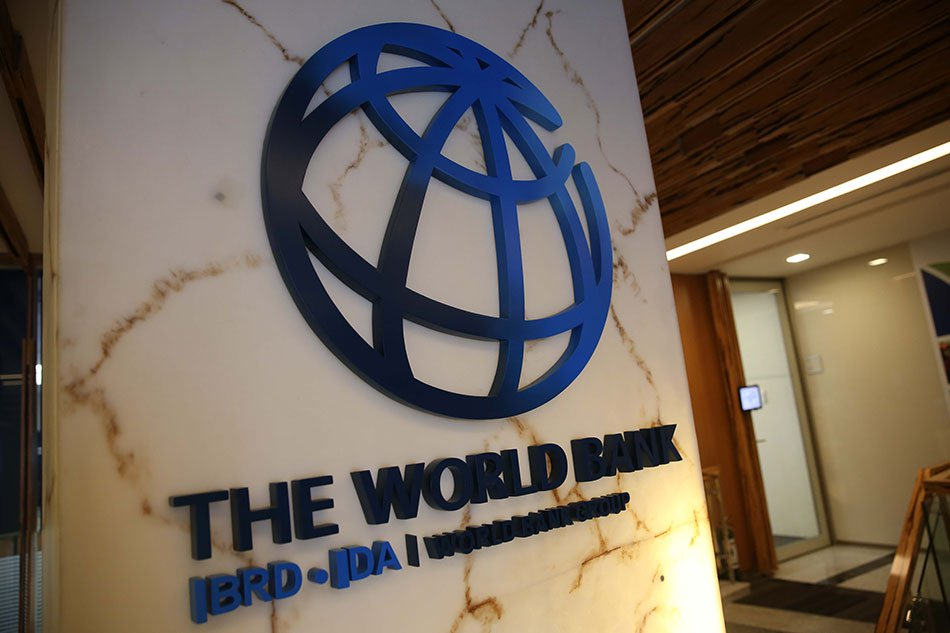
Nigeria has once again ranked as the country with the largest electricity access deficit globally, with 86.8 million Nigerians lacking electricity in 2023, according to the World Bank’s 2025 Energy Progress Report released this week.

This marks the third consecutive year the country has held that position, underscoring the persistent energy poverty in Africa’s largest economy despite repeated promises and reforms by successive administrations.

The findings directly contradict claims by the Nigerian government, particularly a statement by the Minister of Power, Adebayo Adelabu, in April 2025, who insisted that “about 150 million Nigerians currently enjoy electricity supply.” The World Bank data not only disputes that figure but also shows that access has declined.

According to the report, only 61% of Nigeria’s population had access to electricity in 2023, a less than one percent increase to 60.5% in 2022, and less than the figure cited by the minister. With Nigeria’s estimated population of about 223 million in 2023, this means roughly 86.8 million people remained without electricity, above any official government admission.

The World Bank report, titled “Tracking SDG7: The Energy Progress Report 2025,” is a collaborative publication by the World Bank, the International Energy Agency (IEA), and other UN agencies. It tracks global progress on Sustainable Development Goal 7 (SDG7), which aims to ensure universal access to affordable, reliable, and modern energy by 2030.

It highlights a troubling reversal in Nigeria’s energy access trajectory. Rather than improving, access to electricity has stagnated or declined, and analysts say population growth is outpacing new connections.

“In 2023, 18 of the 20 countries with the largest electricity access deficits were in Sub-Saharan Africa. Once again, Nigeria (86.8 million), the Democratic Republic of Congo (79.6 million), and Ethiopia (56.4 million) topped the list,” the report said.

Population Growth Worsening the Gap

While 35 million people in Sub-Saharan Africa reportedly gained access to electricity in 2023, the region’s population also grew by about 30 million, resulting in a net improvement of just 5 million people. In Nigeria’s case, the situation is more concerning, as the number of those without access to electricity has recorded a small increase compared to the previous year.

The World Bank warned that Sub-Saharan Africa now accounts for 85% of the global population without electricity, a jump from 50% in 2010, with Nigeria alone contributing more than 15% of that global shortfall.

Clean Cooking and Energy Poverty

The energy poverty crisis extends beyond electricity. The report notes that in 2023, only 26% of Nigerians had access to clean cooking energy, meaning the vast majority still rely on firewood, charcoal, and other harmful fuels for cooking—fuels linked to serious health and environmental issues.

“The lowest national access rates were observed in South Sudan (5%), followed by Chad and Burundi (12%). These countries, along with Nigeria, have shown low annualized increases in access since 2010,” the report said.

A Bleak Outlook Unless Urgent Action Is Taken

While some regions of the world are on track to achieve universal access by 2030, Nigeria is among those moving in the opposite direction. The report praises progress in Central and Southern Asia, which slashed their electricity access deficit from 414 million in 2010 to just 27 million in 2023. In contrast, Nigeria and other African nations are still far behind, despite billions of dollars in donor funding and public investments.

“The pace of progress in Sub-Saharan Africa calls for significant acceleration,” the report concluded, adding that under current policies, Nigeria will miss the SDG7 target by a wide margin.

As it stands, the 2025 World Bank report is a damning indictment of Nigeria’s energy policies and a warning that without urgent, transparent, and results-driven interventions, tens of millions of Nigerians will remain in the dark for years to come.

Like Anthropic, Meta Secures Legal Win in AI Copyright Case, Setting Early Precedent for Fair Use

0

Meta scored a significant legal victory on Wednesday after a federal judge ruled that its use of copyrighted books to train AI systems falls under the fair use doctrine, delivering a second major win for AI developers in less than 48 hours.

The ruling comes on the heels of a similar decision in favor of Anthropic on Monday, and together, the two judgments are shaping what could become a foundational legal precedent for how U.S. copyright law applies to artificial intelligence training.

In both cases, federal judges emphasized that the use of copyrighted material to train large language models (LLMs) was transformative, allowing the AI systems to generate new, original content without directly reproducing or commercially displacing the authors’ works. These rulings are now being viewed as pivotal moments in the ongoing legal battle between content creators and tech firms racing to dominate the AI space.

Meta Case: Authors Lost on Arguments and Evidence

In the lawsuit against Meta, 13 authors, including comedian Sarah Silverman, alleged that the company had illegally used their books to train its AI models. But U.S. District Judge Vince Chhabria dismissed their claims on summary judgment, stating that the authors failed to make the right legal arguments or provide sufficient evidence.

“The plaintiffs presented no meaningful evidence on market dilution at all,” Chhabria wrote. He added that Meta’s use of the books was transformative because the AI systems did not reproduce the authors’ styles or core creative elements, nor did they undermine the commercial value of the books in the marketplace.

Importantly, Judge Chhabria emphasized that his ruling should not be seen as a blanket endorsement of all AI training practices.

“This does not mean that Meta’s use of copyrighted materials is lawful in every case,” he said, leaving the door open for future legal challenges where plaintiffs provide better-developed evidence on how AI models may harm content markets.

Anthropic Ruling: AI Learning Like a Human

Just two days earlier, Judge William Alsup of the Northern District of California issued a similarly detailed ruling in favor of Anthropic, the Amazon-backed AI company behind the Claude chatbot. Alsup held that the company’s use of copyrighted books to train Claude was “quintessentially transformative” and akin to how human writers read books to develop their own style and ideas.

“The purpose and character of using copyrighted works to train LLMs to generate new text was quintessentially transformative,” Alsup wrote. “Like any reader aspiring to be a writer.”

While Alsup acknowledged that Anthropic had once used pirated digital copies of books as part of a larger corpus—referred to as a “central library”—he determined that training Claude itself was fair use. However, he ordered a trial to determine if damages should be awarded for Anthropic’s initial unauthorized copying of the books, especially in cases where pirated versions were downloaded and later replaced with purchased copies.

Alsup’s nuanced approach signaled that fair use may protect the training process, but not necessarily the means through which the materials were obtained.

Wider Legal Implications for AI and Copyright

These two rulings, though limited in scope, represent early but important legal benchmarks in what is expected to be a long and complex judicial reckoning over AI training practices. Courts are increasingly being asked to balance the rights of creators with the innovation imperatives of AI developers.

The outcomes are particularly relevant as other high-profile lawsuits loom. The New York Times is currently suing OpenAI and Microsoft, alleging that their AI models used the newspaper’s articles without permission. Similarly, Disney, Universal, and other media companies have filed suits over the unauthorized use of TV shows and films to train generative models like Midjourney and Stability AI.

In his opinion, Judge Chhabria explicitly noted that future rulings may differ depending on the type of content involved.

“Markets for certain types of works (like news articles) might be even more vulnerable to indirect competition from AI outputs,” he wrote, hinting that the outcome in the Times case could swing differently.

Tech Industry Applauds, But Debate Far From Over

Anthropic and Meta both welcomed the rulings. A spokesperson for Anthropic said the decision “is consistent with copyright’s purpose in enabling creativity and fostering scientific progress.” Meta did not comment, but legal analysts say the back-to-back wins bolster the tech industry’s stance that training AI models on publicly available content can be legally permissible under U.S. law—at least when framed properly.

However, despite the momentum, legal experts and industry observers caution that these decisions are far from the final word. Fair use, by its nature, is a context-specific legal doctrine. Future lawsuits that better demonstrate market harm, unauthorized copying, or direct commercial substitution may well produce different outcomes.

South African Peach Payments Unveils Digit Pro, A Next-Gen POS Terminal to Redefine Enterprise Transactions in Africa

0

Peach Payments, a leading South African fintech company, has launched Digit Pro, an advanced Point of Sale (POS) solution built specifically for enterprise businesses that demand more than just basic card acceptance.

This powerful and portable POS terminal enables merchants to accept a wide variety of payment methods, including cards, Buy Now Pay Later (BNPL), vouchers, and digital wallets, all while providing a fully customizable checkout experience.

Speaking on the launch of the PoS terminal, Rahul Jain, CEO of Peach Payments said,

“While legacy POS terminals offer competitive pricing, they are limited to card payments. Transactions processed via Digit Pro are displayed alongside all the merchant’s other transactions on the Peach Payments dashboard, irrespective of payment method—even across BNPL options. To our knowledge, the Digit Pro is the first POS device to do so in South Africa.”

With the Digit Pro, users can:

  • Accept cards, BNPL, vouchers, digital wallets, and more
  • Customise your checkout with plug-and-play apps like Posterita
  • Seamlessly integrate with your existing POS system
  • Access real-time insights across in-store and online sales via the Peach Payments dashboard

Digit Pro represents a significant shift in POS capabilities, enabling businesses to optimize inventory, launch loyalty programs, and scale operations from a single device. Peach Payments’ launch of Digit Pro aligns with a broader trend of fintech companies expanding into point-of-sale (POS) solutions to capture the growing demand for seamless, integrated payment systems. Fintechs globally, and particularly in Africa, are leveraging POS terminals to bridge online and offline commerce, offering merchants unified platforms for transaction management.

In South Africa, competitors like Yoco and Paystack (owned by Stripe) have also introduced POS devices, with Yoco reporting over 200,000 merchants using its solutions by 2024 and Paystack rolling out terminals in Nigeria and Kenya. This trend is driven by the need for versatile payment options cards, mobile money, digital wallets, and BNPLcatering to diverse consumer preferences.

However, Peach Payments’ Digit Pro stands out with its support for a wide range of payment methods and offline transaction capabilities, positioning it to compete in this crowded but rapidly growing market. The move reflects the fintechs’ push to empower mid-size and enterprise merchants with tools that streamline operations and enhance customer experiences.

Founded in Cape Town in 2012, Peach Payments has consistently delivered seamless digital payment solutions across the continent. By 2014, the company had gained traction through partnerships with key players like SweepSouth, providing frictionless online payment experiences for domestic services in South Africa.

Following exceptional growth, the company raised US$31 million in funding and began expanding its footprint through acquisitions and regional launches. In 2022, Peach Payments underwent a strategic rebrand to reflect its evolution from a local fintech startup into a pan-African payments leader.

Last year, the fintech was included in the Top 10 Fintech Startups in South Africa in recognition of its innovation, strong merchant relationships, and impact on the digital payment ecosystem. Also in the same year, it was recognized as one of the 100 Most Innovative Fintech Startups of 2024 by CB Insights, the leader in technology market intelligence.

Fast forward to April 2025, Peach Payments acquired West-African payment platform PayDunya. In the process, it enters mainland Francophone Africa for the first time, following its expansion to Eswatini (2024), Mauritius (2021) and Kenya (2018).

Now active in over 10 regions and with over 150+ people reached, Peach Payments continues to empower African businesses to accept, manage, and disburse payments effortlessly, through innovative, secure, and accessible digital tools.

With the launch of Digit Pro, the fintech strengthens its position at the forefront of Africa’s digital commerce revolution, redefining the point-of-sale experience for enterprise merchants across the continent.

Aurora Mobile Limited To Allocate 20% of Cash to Crypto-Native Investments

0

Aurora Mobile Limited (NASDAQ: JG), a Chinese provider of customer engagement and marketing technology services, has approved a strategic initiative to allocate up to 20% of its cash and cash equivalents to cryptocurrencies and digital assets, including Bitcoin, Ethereum, Solana, SUI, and other tokens. This move, announced on June 24, 2025, aims to diversify the company’s portfolio, enhance asset value, and align with global financial technology trends while maintaining liquidity for core operations.

Based on its latest quarterly earnings, Aurora reported 113.6 million yuan ($15.8 million) in cash, cash equivalents, and restricted cash, suggesting a potential investment of approximately $3 million in crypto assets. The strategy has sparked a positive market response, with shares rising nearly 10% to $12.10 in pre-market trading following the announcement. However, the decision also carries risks due to cryptocurrency volatility and regulatory uncertainties.

Aurora Mobile’s decision to allocate up to 20% of its cash reserves (~$3 million based on $15.8 million in cash) to cryptocurrencies like Bitcoin, Ethereum, Solana, SUI, and others has several implications. Cryptocurrencies offer high-return potential, as seen in Bitcoin’s historical rallies (e.g., ~300% gain from 2020-2021). This could boost Aurora’s asset value if crypto markets perform well, enhancing shareholder value.

The move signals innovation, aligning Aurora with tech-forward companies like, ProCap, MicroStrategy and Tesla, which have adopted crypto treasuries. The ~10% pre-market stock surge to $12.10 reflects investor optimism. Cryptocurrencies are highly volatile; Bitcoin dropped ~50% from its 2021 peak. A similar crash could erode Aurora’s cash reserves, impacting operational flexibility.

China’s strict crypto regulations (e.g., 2021 ban on crypto trading) pose challenges. While Aurora may invest through offshore entities, regulatory scrutiny could complicate execution. Allocating 20% of cash to illiquid assets may strain Aurora’s ability to fund operations or weather economic downturns, especially given its small market cap (~$73 million).

Aurora’s move could inspire other small-cap tech firms to explore crypto treasuries, particularly in Asia, where adoption lags behind the U.S. However, it may also face skepticism from traditional investors wary of crypto’s speculative nature. Managing a crypto portfolio requires expertise and resources, potentially diverting focus from Aurora’s core customer engagement and marketing tech business.

The strategy may attract crypto-savvy investors but alienate conservative ones, creating a polarized shareholder base. Aurora’s crypto investment has created a divide among stakeholders, analysts and investors, reflecting broader debates about corporate crypto adoption.

Supporters view crypto as a hedge against inflation and fiat devaluation, especially in a global economy with persistent high interest rates (e.g., U.S. rates ~2-3% in 2024). They argue that Aurora’s tech-forward identity aligns with embracing blockchain-based assets. Younger, risk-tolerant investors and crypto enthusiasts likely drove the stock’s pre-market rally, seeing the move as a bold bet on digital finance.

Critics argue that crypto’s volatility and regulatory risks outweigh potential gains, especially for a small-cap firm like Aurora with limited cash reserves. They prefer traditional investments (e.g., bonds, R&D) for stability. Institutional and risk-averse investors may sell off shares, fearing losses from crypto market crashes or regulatory crackdowns in China.

Analysts on platforms like Seeking Alpha note Aurora’s low valuation (P/E ~15 vs. industry ~30) and see the crypto bet as a high-risk, high-reward play. They recommend monitoring execution (e.g., custody, asset selection) and China’s regulatory stance. The divide hinges on whether Aurora can balance crypto’s speculative upside with its core business stability.

Aurora Mobile’s crypto treasury strategy is a double-edged sword: it positions the company as a fintech innovator with potential for significant returns but exposes it to volatility, regulatory risks, and stakeholder polarization. The divide reflects broader tensions between traditional finance and crypto adoption, with Aurora’s success depending on market trends, execution, and regulatory navigation.