DD
MM
YYYY

PAGES

DD
MM
YYYY

spot_img

PAGES

Home Blog Page 982

Backpack Exchange Season 2 Points Program Begins By July 3rd

0

Backpack Exchange has confirmed that Season 2 of its points program will start on July 3, 2025, as announced through various posts on X. This follows the success of Season 1, which began on March 21, 2025, and ran for 10 weeks, rewarding users with points based on their activity on the exchange. Season 2 is expected to expand access to European users and may introduce new ways to earn points, potentially through the Backpack Vault, similar to Hyperliquid’s HLP system, allowing users to farm points without trading futures.

The program aims to incentivize user engagement and platform growth, with points distributed weekly based on activity, though specific criteria remain intentionally opaque. The launch of Backpack Exchange’s Season 2 points program on July 3, 2025, has several implications for the platform, its users, and the broader crypto ecosystem, particularly when considering the potential divide in user activity. Season 2’s points program, like Season 1, rewards users based on their activity (e.g., trading volume, wallet interactions, or potential new features like Backpack Vault).

This gamified approach encourages users to trade more frequently, deposit assets, and engage with the platform’s ecosystem, driving trading volume and liquidity. Season 1 saw Backpack Exchange achieve $27.5 billion in total volume during its beta phase, suggesting Season 2 could further boost these metrics. With the acquisition of FTX EU and plans to offer regulated perpetual futures in Europe starting Q1 2025, Season 2 may attract a broader user base, particularly in Europe. This could enhance Backpack’s global presence and competitiveness against exchanges like Binance or KuCoin.

The points system is widely speculated to be a precursor to a future token airdrop, similar to Hyperliquid’s model. This anticipation could drive speculative trading, as users aim to accumulate points for potential rewards, increasing platform activity but also market volatility. Points earned in Season 2 can be redeemed for benefits like discounted fees, exclusive promotions, or advanced trading features. The tiered ranking system (Bronze to Challenger) fosters a sense of prestige, incentivizing users to climb ranks for better perks.

Backpack’s unique offerings, such as interest-bearing futures and auto-lending, allow users to earn passive income alongside points, potentially attracting both active traders and long-term holders. This could differentiate Backpack from competitors like Binance, which require separate accounts for similar features. Backpack’s ecosystem, including its wallet and Mad Lads NFT collection, aligns with the growing SocialFi trend on Solana. Season 2 may introduce quests or rewards tied to SocialFi platforms, enabling users to monetize content or digital identities, further diversifying engagement opportunities.

Backpack’s use of cryptographic techniques (e.g., zero-knowledge proofs, Multi-Party Computation) and its Virtual Asset Service Provider (VASP) license from Dubai’s VARA enhance its reputation as a secure, regulated platform. Season 2’s expansion into Europe under MiCA regulations could solidify user trust, especially after the FTX collapse, in which Backpack lost 88% of its treasury. Starting May 12, 2025, Backpack will distribute funds to former FTX EU users, potentially integrating these users into Season 2’s points program. This could boost user acquisition but also create logistical challenges in managing payouts alongside new user onboarding.

The structure of Season 2’s points program, while designed to reward engagement, may exacerbate a divide between high-activity and low-activity users, creating both opportunities and challenges. Users with high trading volumes (e.g., >$5,000, as suggested for airdrop eligibility) or those engaging in futures and SocialFi features will likely earn more points and higher ranks (e.g., Platinum, Diamond, Challenger). These users benefit from lower fees (0.085% maker, 0.095% taker vs. industry average 0.1%), exclusive perks, and potentially larger airdrop allocations.

High-activity users drive significant trading volume, contributing to platform liquidity and visibility. Their participation in competitions (e.g., $60,000–$90,000 Volume and PnL rewards) further amplifies their impact, potentially skewing market dynamics toward their strategies. These users are more likely to leverage Backpack’s interest-bearing futures and cross-margined accounts, maximizing returns and consolidating their dominance in the points system.

The opaque criteria for earning points may disadvantage users with lower trading volumes or limited capital, as they struggle to compete with whales for higher ranks. The KYC process and learning curve for features like futures or SocialFi could further deter newcomers. Low-activity users may only achieve lower ranks (e.g., Bronze, Silver), restricting access to premium benefits. This could lead to a perception of inequity, where only high-volume traders reap significant rewards, potentially discouraging broader adoption.

While SocialFi features could appeal to retail users, the technical complexity of blockchain-based platforms and high Solana gas fees (despite being lower than Ethereum) may limit participation for those unfamiliar with DeFi or NFTs. Backpack’s intuitive interface and single cross-margined account simplify trading for newcomers, reducing the complexity seen in platforms like Binance. Season 2 could introduce quests or bonuses tailored to retail users, such as low-volume trading competitions or wallet-based tasks.

The Mad Lads NFT collection and SocialFi integration foster a sense of community, potentially bridging the gap by rewarding non-trading activities like content creation or platform referrals. As a Solana-based platform, Backpack’s success could bolster the Solana ecosystem, often compared to “Binance of Solana.” Season 2’s rewards may drive adoption of Solana-based assets (e.g., SOL/USDC, Mad Lads NFTs), increasing network activity and value.

By offering lower fees, interest-bearing futures, and a points system, Backpack challenges established exchanges. However, the user activity divide could limit its ability to compete with Binance or KuCoin if retail users feel marginalized. The promise of a valuable airdrop (potentially worth $5,000 for active users) could attract speculators, but low competition in Season 2 suggests an opportunity for early adopters. Long-term success depends on balancing rewards with sustainable platform growth to avoid a “pump-and-dump” scenario.

While Backpack’s points program incentivizes growth, the lack of transparency in point allocation criteria raises concerns about fairness. High-activity users may dominate rewards, potentially alienating retail users and creating a perception of exclusivity. Additionally, the speculative nature of airdrop-driven activity could lead to unsustainable trading volumes if not paired with genuine platform utility. Backpack must carefully design Season 2 to include low-barrier tasks and clear communication to ensure broad participation, especially as it expands into Europe and integrates FTX EU users.

Season 2’s launch on July 3, 2025, positions Backpack Exchange to drive user engagement, platform growth, and Solana’s ecosystem development. However, the user activity divide—between high-volume traders and retail users—could widen if rewards heavily favor whales. By leveraging its user-friendly design, SocialFi integration, and educational resources, Backpack can mitigate this divide, fostering inclusive growth.


Tekedia Capital Congratulates Better Auth for Raising $5 million

0

Within 6 months of launch: “Better Auth has clocked 150,000+ weekly downloads, 15,000+ GitHub stars, and a community of over 6,000 Discord members”. Tekedia Capital congratulates Bereket Engida and Better Auth, the world’s most adopted authentication engine by AI startups, for raising $5 million.

Bereket, your story inspires everyone on how you taught yourself how to code in Ethiopia, and decided to fix a major friction in the software community. We’re truly honoured to be part of your journey. Congratulations.

To learn about Better Auth, go here https://www.better-auth.com/ ; for Tekedia Capital capital.tekedia.com

Implications of Germany’s E-Bike Market Leadership and Sales Drop, as Federal Cabinet Approves 2025 Draft Budget

0

Germany remains Europe’s leader in e-bike sales, generating nearly €5.4 billion in revenue in 2024, accounting for almost half of the continent’s €12 billion e-bike market. However, sales declined by 2% to 2 million units, with revenue dropping 12% due to lower prices from discount campaigns to clear excess inventory. Traditional bike sales also fell 5% to 1.8 million units. Despite the downturn, e-bikes comprised 53% of Germany’s bike market in 2023, and the industry anticipates stabilization in 2025, supported by strong cycling infrastructure and consumer demand.

The 12% revenue drop in 2024, despite a modest 2% unit sales decline, indicates price erosion due to aggressive discounting to clear excess inventory. This could squeeze profit margins for manufacturers and retailers, potentially leading to consolidation or reduced investment in innovation. The anticipated stabilization in 2025 suggests resilience, driven by Germany’s robust cycling infrastructure and cultural embrace of e-bikes. However, sustained discounts may normalize lower price points, challenging premium brands.

A prolonged sales slump could impact jobs in manufacturing and retail, though Germany’s dominance (nearly 50% of Europe’s €12 billion market) provides a buffer. Smaller markets like France or the Netherlands may struggle to compete. E-bikes’ 53% share of Germany’s bike market in 2023 reflects a shift toward electric mobility, especially among urban commuters and older demographics seeking assisted cycling. This trend is likely to persist, supported by environmental awareness and fuel cost concerns.

Lower prices may attract new buyers but could also signal oversaturation among early adopters, requiring manufacturers to target untapped segments like younger or rural consumers. Germany’s extensive cycling infrastructure (e.g., bike lanes, subsidies) reinforces its leadership. Continued government support for e-mobility could mitigate sales declines, but policy shifts elsewhere in Europe might narrow Germany’s lead.

The sales drop may prompt calls for incentives like tax breaks or purchase subsidies to stimulate demand, especially if economic pressures persist. E-bikes, as low-emission transport, align with EU carbon reduction goals. A sustained market supports climate objectives, but production (batteries, frames) and disposal challenges require lifecycle improvements to maximize benefits.

E-bikes thrive in cities like Berlin and Munich, where infrastructure supports commuting and short trips. Urbanites, often wealthier and eco-conscious, drive sales. Rural areas, with less cycling infrastructure and longer travel distances, see lower adoption. This divide may widen unless rural-specific models (e.g., longer-range e-bikes) or infrastructure investments emerge.

Older consumers (50+) favor e-bikes for leisure and mobility, while younger buyers (18-35) may prioritize affordability or traditional bikes for fitness. Marketing and pricing strategies must bridge this gap. E-bikes, even with discounts, remain costlier than traditional bikes, limiting access for lower-income groups. Subsidies or financing options could address this.

E-Bike vs. Traditional Bike Market

E-bikes (53% market share) are outpacing traditional bikes (down 5% to 1.8 million units). This divide reflects a technological shift but risks marginalizing traditional bike manufacturers unable to pivot to electric models. Germany’s €5.4 billion e-bike revenue dwarfs other EU markets, highlighting an economic and infrastructural divide. Smaller markets like Spain or Poland, with less developed cycling cultures, struggle to scale, potentially concentrating innovation and profits in Germany.

Discount campaigns favor budget brands, squeezing premium manufacturers like Bosch-powered models. This divide could reshape competition, with cheaper imports (e.g., from Asia) gaining ground unless quality differentiation prevails. Germany’s e-bike market leadership underscores its economic and infrastructural strengths, but the 2024 sales drop signals challenges like oversupply and price pressures.

Germany’s Cabinet Approves A Draft Budget For 2025

Meanwhile, Germany’s cabinet, led by Chancellor Friedrich Merz, approved a draft budget for 2025 and a financial framework for 2026, marking a significant shift from fiscal austerity. The budget includes record investments of €115.7 billion in 2025 and €123.6 billion in 2026, up from €74.5 billion in 2024, aimed at reviving an economy that contracted for two consecutive years. A major increase to 3.5% of GDP by 2029, rising from €95 billion in 2025 to €162 billion by 2029, funded by a €400 billion borrowing program. This aligns with NATO goals and responds to pressures from Russia’s actions and U.S. demands. €8.3 billion is allocated for Ukraine in 2025, doubling previous commitments.

Net new borrowing will jump to €81.8 billion in 2025 from €33.3 billion in 2024, with total borrowing reaching €500 billion by 2029, plus €270 billion through an infrastructure fund. A March 2025 debt brake reform allows unlimited defense spending, keeping Germany’s debt-to-GDP ratio at 63%. A €500 billion infrastructure fund, approved in March, will support transport, energy, housing, and climate initiatives, with €20 billion for housing (including €3.5 billion for social housing) through 2028. Climate and Transformation Fund will also see increased funding.

A €46 billion corporate tax relief package was approved earlier in June to boost businesses. Subsidies for energy costs are included to support energy-intensive industries. Interest payments are projected to double by 2029 due to increased borrowing, a departure from Germany’s balanced-budget tradition. The budget, delayed due to the collapse of Olaf Scholz’s coalition in November 2024, replaces a provisional budget in place since January 2025.

It will be debated in the Bundestag before the summer recess, with final approval expected in September 2025. The 2026 budget draft is slated for cabinet approval on July 30, 2025. Finance Minister Lars Klingbeil emphasized the need for investment over austerity, stating, “I don’t see any particular value in keeping the money and not spending it.” The plan has sparked criticism for excessive borrowing but is seen as a bold move to strengthen Germany’s economy and military.

The €115.7 billion investment in 2025 (rising to €123.6 billion in 2026) targets infrastructure, housing, energy, and climate initiatives, aiming to reverse Germany’s economic contraction. This could boost GDP growth, create jobs, and stimulate demand in construction, renewable energy, and technology sectors. The €46 billion corporate tax relief package and energy cost subsidies should enhance Germany’s appeal to businesses, particularly energy-intensive industries like manufacturing and chemicals, potentially attracting foreign investment.

Increased borrowing (€81.8 billion in 2025) and spending could stoke inflation, especially if supply chains remain constrained or energy prices rise. However, targeted investments may mitigate this by improving productivity. The debt-to-GDP ratio, projected at 63%, remains manageable under EU fiscal rules, but doubling debt interest payments by 2029 could strain future budgets, limiting fiscal flexibility if economic growth falters.

The €500 billion infrastructure fund will address long-standing underinvestment in transport, housing, and energy grids, potentially improving Germany’s economic efficiency and quality of life. The budget marks a departure from Germany’s traditional fiscal conservatism, challenging the legacy of the debt brake. The March 2025 debt brake reform, allowing unlimited defense spending, may face domestic pushback from fiscal hawks, particularly within Merz’s CDU and coalition partners.

The budget’s approval under Chancellor Merz’s leadership strengthens the new coalition post-Scholz but could strain relations if economic outcomes disappoint or borrowing sparks public discontent. Record investments in housing (€20 billion) and social housing (€3.5 billion) may bolster public support, addressing acute housing shortages. However, critics may argue the borrowing-heavy approach risks future generations’ finances.

The budget faces scrutiny in the Bundestag before September 2025 approval. Opposition parties, including the SPD and Greens, may challenge the scale of borrowing or prioritization of defense over social spending, potentially delaying implementation. Raising defense spending to 3.5% of GDP by 2029 positions Germany as a NATO leader, responding to U.S. pressure and Russia’s aggression. The €400 billion borrowing program for defense and €8.3 billion for Ukraine in 2025 signal a robust stance against geopolitical threats.

Germany’s borrowing spree could influence EU fiscal debates, encouraging other member states to relax austerity measures. However, it may also raise concerns among frugal nations like the Netherlands about EU debt rules. Increased funding for the Climate and Transformation Fund reinforces Germany’s commitment to green energy, potentially setting a model for EU climate goals. This could strengthen Berlin’s influence in EU energy policy.

As Europe’s largest economy, Germany’s investment-driven recovery could stabilize the Eurozone, countering global economic slowdown risks. However, reliance on borrowing may expose Germany to international market volatility if investor confidence wanes. International markets may question Germany’s debt sustainability, potentially raising borrowing costs if bond yields spike. Bureaucratic hurdles or political gridlock in the Bundestag could slow infrastructure and defense projects, undermining economic benefits.

Increased military spending and support for Ukraine may escalate tensions with Russia, requiring careful diplomatic balancing. Global factors like U.S. trade policies under a potential Trump administration or China’s economic slowdown could dampen the budget’s impact.

Germany’s 2025 budget reflects a bold pivot toward investment-driven growth and geopolitical assertiveness, with potential to revitalize its economy and strengthen its global standing. However, the heavy reliance on borrowing introduces risks that will require prudent management and robust economic performance to sustain. The budget’s success hinges on efficient execution, political consensus, and favorable global conditions.

Robinhood CEO: Crypto Will Disrupt And Potentially Replace Traditional Finance

0

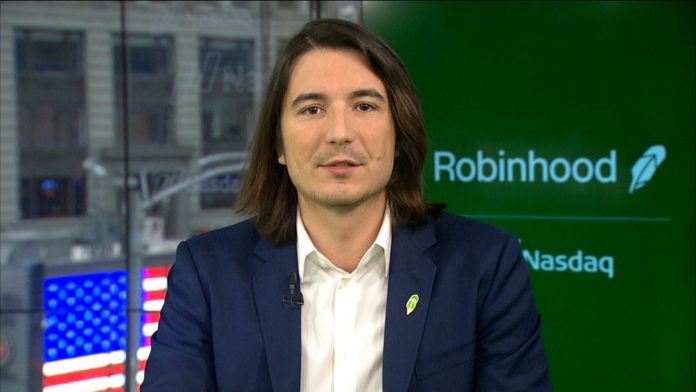
Robinhood CEO Vlad Tenev has expressed a strong belief that cryptocurrencies will significantly disrupt and potentially replace traditional finance. In a June 2025 statement on X, Tenev said, “We believe crypto will fundamentally reorganize the financial system,” highlighting this view in the context of Robinhood’s $200 million acquisition of cryptocurrency exchange Bitstamp. He reiterated this sentiment on CNBC, as reported by The Defiant, stating that Bitcoin and cryptocurrencies will replace traditional finance, reflecting growing institutional acceptance of digital assets.

Tenev’s optimism is tied to crypto’s potential to streamline financial systems, reduce costs, and increase accessibility. For instance, he noted in November 2024 that operating a cryptocurrency business costs “roughly an order of magnitude less” than traditional finance, calling this efficiency “undeniable.” He also emphasized tokenization, suggesting it could make private investments like shares in companies such as OpenAI or SpaceX accessible to retail investors, further blurring the lines between traditional and decentralized finance.

However, Tenev’s vision comes with caveats. Robinhood’s Q1 2025 earnings showed a 30% drop in crypto trading revenue, prompting him to stress diversification to reduce reliance on volatile crypto markets. Critics also point to regulatory hurdles and crypto’s volatility as barriers to fully replacing traditional finance. Despite these challenges, Tenev’s moves, like acquiring Bitstamp to expand into institutional crypto and enhancing Robinhood’s non-custodial wallet, signal a strategic bet on crypto’s long-term dominance.

Skeptics might argue Tenev’s claims are self-serving, given Robinhood’s growing crypto business, which accounted for over 25% of Q1 2025 revenue. Yet, his perspective aligns with broader trends, like increasing blockchain adoption in finance, as seen with systems like Ripple’s XRP for cross-border payments. Whether crypto will fully replace traditional finance remains uncertain, but Tenev’s actions suggest Robinhood is positioning itself to lead in a hybrid financial future.

If crypto replaces traditional finance, centralized institutions like banks and clearinghouses could lose dominance. Blockchain-based systems, such as decentralized finance (DeFi) platforms, could handle transactions, lending, and asset management with lower fees, as Tenev noted with crypto’s cost efficiency being “an order of magnitude less” than traditional systems.

Crypto’s volatility, evidenced by Robinhood’s 30% Q1 2025 crypto revenue drop, suggests replacing traditional finance could introduce systemic risks. Stablecoins or central bank digital currencies (CBDCs) might mitigate this, but widespread adoption could still disrupt markets. Tokenization, as Tenev highlighted, could democratize access to high-value assets (e.g., SpaceX shares), potentially reducing wealth inequality. However, early adopters and crypto whales might consolidate wealth if regulatory oversight lags.

Crypto’s borderless nature could provide financial services to the unbanked, especially in regions with weak banking infrastructure. Yet, access to technology and education remains a barrier. Tenev’s vision would likely trigger stricter regulations to address money laundering, fraud, and consumer protection. Current U.S. regulatory uncertainty, with the SEC’s cautious stance, suggests a long road to mainstream crypto adoption.

Replacing traditional finance requires harmonized global regulations, as crypto operates across borders. Disparities, like the EU’s MiCA framework versus fragmented U.S. policies, could create arbitrage opportunities or regulatory havens. Governments reliant on traditional financial reporting for taxes may struggle to track decentralized crypto transactions, necessitating new compliance frameworks or blockchain analytics.

Replacing traditional finance demands scalable blockchain networks. Current limitations, like Ethereum’s high gas fees or Bitcoin’s slow transaction speeds, must be resolved, possibly through layer-2 solutions or newer protocols. A crypto-dominated system requires seamless interaction between blockchains and legacy systems. Projects like Polkadot or Chainlink could play a role, but standardization is critical.

Widespread crypto adoption increases the stakes for cybersecurity. Hacks, like the $600M Poly Network exploit in 2021, highlight vulnerabilities that could undermine trust if traditional finance is supplanted. Proof-of-work blockchains, like Bitcoin, face criticism for high energy use. Transitioning to proof-of-stake or greener alternatives, as Ethereum did in 2022, is essential for sustainability. Replacing traditional finance with crypto shifts trust from institutions to code and decentralized networks.

Public understanding of blockchain must improve to avoid reliance on intermediaries like exchanges, which Tenev’s Bitstamp acquisition suggests Robinhood aims to control. Traditional finance employs millions in banking, compliance, and brokerage roles. A crypto-based system could automate many functions, reducing jobs while creating demand for blockchain developers and auditors.

Crypto’s self-custody model, as seen in Robinhood’s non-custodial wallet, empowers users but requires greater financial literacy. Mismanagement, like lost private keys, could lead to significant losses. Crypto’s rise could normalize digital ownership and decentralized governance, influencing broader societal structures like voting or intellectual property management via NFTs or DAOs.

Tenev’s push, via acquisitions like Bitstamp and wallet enhancements, positions Robinhood as a hybrid broker bridging traditional and crypto finance. Success hinges on navigating volatility and regulatory risks. Banks and brokerages face existential risks if crypto gains dominance. Some, like JPMorgan with Onyx, are adopting blockchain, but slower movers could be sidelined.

Crypto’s low barriers to entry could spur startups offering DeFi, staking, or tokenized asset platforms, intensifying competition and potentially commoditizing financial services. Mass adoption requires user-friendly interfaces, regulatory clarity, and trust, which crypto currently lacks compared to traditional finance’s entrenched systems. A crypto-based financial system could amplify crises if smart contracts fail or markets crash, as seen in the 2022 Terra-Luna collapse.

Despite crypto’s decentralized ethos, centralized exchanges like Bitstamp or Coinbase could dominate, replicating traditional finance’s power structures. Tenev’s claim implies a transformative shift toward a more efficient, accessible, but riskier financial system. While crypto’s potential to disrupt is evident—seen in Robinhood’s strategic moves and blockchain’s growing use—replacing traditional finance entirely faces hurdles like regulation, scalability, and public trust. The most likely outcome is a hybrid system where crypto and traditional finance coexist, with Robinhood and others vying to lead the transition.

The Rising Odds Of A September 2025 Rate Cut And Powell’s Crypto-Friendly Stance

0

The probability of a Federal Reserve interest rate cut in September 2025 has recently surged, with estimates based on CME Group data indicating a likelihood of over 71%. This increase in odds aligns with market sentiment reflected on platforms like Polymarket, where traders have shown strong confidence in a potential rate cut, with probabilities reaching as high as 85% according to some posts on X. The anticipation of a rate cut is driven by factors such as cooling inflation and expectations of looser monetary policy, which could stimulate economic activity.

However, the Fed’s decision remains data-dependent, and uncertainties like potential tariff impacts under President Trump’s policies could influence the outcome. A rate cut, if implemented, is generally viewed as bullish for risk assets like cryptocurrencies, as lower borrowing costs often encourage investment in speculative markets.

Jerome Powell’s Statement on Crypto Activities

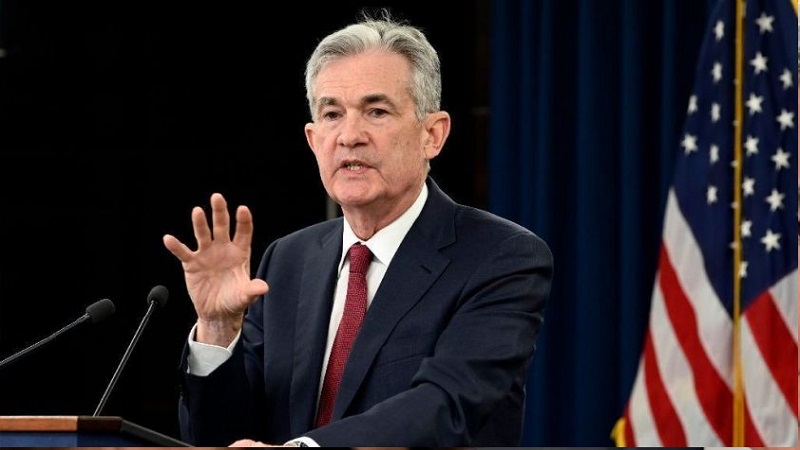
Federal Reserve Chair Jerome Powell stated that U.S. banks are free to engage in crypto activities, signaling a permissive stance toward their involvement in the cryptocurrency sector. This follows earlier comments in February 2025, where Powell indicated the Fed would not obstruct banks from serving legal crypto customers, and it builds on a December 2024 statement clarifying that the Fed has no intention of holding Bitcoin itself.

This green light allows banks to offer services like spot crypto ETFs and potentially other crypto-related products, marking a significant step toward integrating digital assets into traditional banking. The crypto market has responded positively to this news, with increased optimism among investors, as it could enhance liquidity and mainstream adoption. However, challenges persist, such as difficulties for crypto-related businesses in accessing banking services and regulatory hurdles for institutions like Custodia Bank.

Powell’s pro-crypto stance and the rising odds of a September rate cut could create a synergistic effect for cryptocurrency markets. A rate cut would increase liquidity, making it cheaper for investors and institutions to borrow and invest in riskier assets like Bitcoin and altcoins. Simultaneously, allowing banks to conduct crypto activities could facilitate greater institutional participation, such as through custody services or ETF offerings, further driving capital inflows.

Posts on X highlight this combined optimism, noting Powell’s crypto-friendly comments alongside rate cut expectations as a “quiet storm” building for the market. However, risks remain, including potential inflation from tariffs and regulatory uncertainties that could temper the bullish outlook. Investors should conduct their own research, as market reactions to rate cuts and crypto banking integration can be volatile and unpredictable.

A rate cut lowers borrowing costs, encouraging investment in riskier assets like stocks, cryptocurrencies, and other speculative investments. This could drive up prices in equity and crypto markets as investors seek higher returns. Cryptocurrencies, particularly Bitcoin, often benefit from looser monetary policy, as seen in historical cycles where low rates correlate with bullish crypto markets. Lower interest rates could stimulate economic activity by reducing the cost of loans for businesses and consumers, potentially boosting spending and investment.

However, this could also reignite inflationary pressures, especially if combined with external factors like tariffs, which might complicate the Fed’s efforts to maintain price stability. While markets currently price in a high probability (over 71% per CME Group data) of a rate cut, any deviation from expectations (e.g., no cut or a smaller cut) could lead to significant volatility in stocks, bonds, and crypto.

A U.S. rate cut could weaken the dollar, making dollar-denominated assets like Bitcoin more attractive to international investors. This could further fuel crypto market growth. Emerging markets may face challenges, as lower U.S. rates could lead to capital outflows from those regions, affecting their currencies and economies. Allowing banks to engage in crypto activities, such as offering custody services, spot crypto ETFs, or other financial products, could bring significant institutional capital into the crypto market. This would enhance liquidity and potentially stabilize prices over time.

Major banks entering the crypto space could legitimize digital assets further, attracting conservative investors who previously avoided the sector due to regulatory uncertainty. Powell’s statement could ease longstanding challenges for crypto businesses, such as difficulty obtaining banking services. Greater access to traditional banking could streamline operations for exchanges, custodians, and other crypto entities. However, cases like Custodia Bank’s ongoing regulatory struggles suggest that implementation may face hurdles, as regulatory clarity is still evolving.

Powell’s permissive stance has already boosted crypto market sentiment, as seen in positive reactions on X and rising prices following his June 24, 2025, comments. This could drive short-term price increases for major cryptocurrencies like Bitcoin and Ethereum. Long-term, broader banking involvement could reduce crypto’s volatility by integrating it into mainstream finance, though speculative bubbles remain a risk.

While Powell’s comments signal openness, banks will still need to navigate complex regulations, such as anti-money laundering (AML) and know-your-customer (KYC) requirements, to engage in crypto activities safely. The Fed’s clarification that it won’t hold Bitcoin itself limits direct central bank involvement, potentially capping the extent of institutional integration in the near term. A rate cut and increased bank participation in crypto could create a powerful bullish catalyst for digital assets. Lower rates would provide cheaper capital, while bank involvement would open new investment channels, potentially driving significant capital inflows.

The combination of loose monetary policy and crypto market enthusiasm could lead to speculative excesses, increasing the risk of asset bubbles. Investors should remain cautious, as rapid price increases often precede corrections. External factors, such as inflation from proposed tariffs under President Trump’s policies, could complicate the Fed’s strategy and affect both traditional and crypto markets.

Banks offering crypto services could bridge traditional finance and decentralized finance (DeFi), fostering innovation in financial products but also raising concerns about systemic risks if crypto market volatility spills over into banking. This integration could accelerate the adoption of blockchain technology in traditional finance, potentially transforming payment systems, custody solutions, and more.

While the outlook appears positive, regulatory uncertainty and macroeconomic risks (e.g., inflation, geopolitical tensions) could temper the benefits. Investors and institutions should conduct thorough research and risk assessments before diving into crypto markets. The Fed’s data-dependent approach means that any unexpected economic indicators could shift the likelihood of a rate cut, impacting market expectations.

The rising odds of a September 2025 rate cut and Powell’s crypto-friendly stance could significantly boost the cryptocurrency sector by increasing liquidity, encouraging institutional participation, and enhancing market sentiment. However, risks such as inflation, regulatory hurdles, and market volatility remain.