DD
MM
YYYY

PAGES

DD
MM
YYYY

spot_img

PAGES

Home Blog Page 985

SOL, XRP and DOGE investors turn to BAY Miner smart cloud mining, with daily income up to $7,777

0

BAY Miner delivers compliant, AI-powered cloud mining for SOL, XRP, and DOGE—eliminating hardware costs while enabling passive income from anywhere.

As market volatility and global uncertainty rise, crypto users are shifting toward secure, easy-to-access mining alternatives. Solana, XRP, and DOGE have surged in recent months, and BAY Miner offers a hardware-free solution for seamless and rewarding participation.

BAY Miner delivers an innovative smart cloud mining experience. With no need for hardware or technical skills, users can mine top coins like SOL, XRP, and DOGE via AI-optimized contracts. Daily earnings for high-tier users are reportedly reaching up to $7,777.

Current Cryptocurrency Market Trends

  • SOL is gaining traction with developers and NFT projects.
  • XRP surges following favorable legal developments.
  • DOGE continues to attract mainstream attention with community-driven momentum.
    With energy prices high and mining becoming less accessible, AI-powered cloud mining is emerging as a cost-effective alternative.

Platform Highlights

  • AI-Based Resource Allocation: BAY Miner utilizes algorithmic computing to optimize mining efficiency and performance across its global infrastructure.
  • Mobile-First Interface: The platform offers mobile app functionality, allowing users to monitor contract performance and receive updates in real time.
  • Support for Multiple Assets: Users can mine popular cryptocurrencies including BTC, ETH, DOGE, XRP, LTC, SOL, and USDT.
  • Daily Settlements: Mining rewards are calculated and distributed daily, with users able to reinvest or withdraw their earnings from the platform wallet.
  • Flexible Contract Options: Contracts vary in duration and scope to accommodate different investment preferences and asset strategies.

How BAY Miner Works

  1. Account Creation: Users register through the BAY Miner website or app.
  2. Contract Selection: Users choose a mining plan based on budget and asset preference.
  3. Wallet Funding: Accepted tokens for recharge include USDT (TRC20/ERC20), BTC, ETH, DOGE, XRP, and SOL.
  4. Contract Activation: Mining begins automatically after purchase.
  5. Daily Earnings: Rewards are calculated and credited daily.
  6. Payout Management: Users may withdraw earnings or reinvest them in new contracts.
  7. Diversified contracts are available?

The table below shows the potential income you can achieve

BTC [New User Experience Contract]: Investment amount: $100, potential total net profit: $100 + $10

BTC [Core Contract Plan]: Investment amount: $600, potential total net profit: $600 + $43.2

DOGE [Core Contract Plan]: Investment amount: $3,000, potential total net profit: $3,000 + $825.3

BTC [Electricity Contract Plan]: Investment amount: $8,000, potential total net profit: $8,000 + $4340

BTC[Electricity Contract Plan]: Investment Amount: $30,000, Potential Total Net Profit: $30,000 + $23,220

Note: Profit estimates depend on network conditions and market volatility.

Click here for full contract details

“At BAY Miner, we believe cloud mining should be accessible, intelligent, and scalable. Our mission is to turn crypto enthusiasm into reliable passive income.” — David Lin, BAY Miner Product Director

Regulatory Compliance and Development Roadmap

BAY Miner reports adherence to applicable global compliance standards and aims to further expand functionality in the second half of 2025. Planned features include the introduction of a native utility token (BMT), DeFi integration, and smart contract interoperability across additional Web3 applications.

Conclusion

BAY Miner is the representative of the next generation of crypto income, which is intelligent, efficient and compliant. As the market heats up, now is a good time to deploy BTC, XRP and SOL cloud mining contracts and reap stable returns.

Media Contact:
BAY Miner
info@bayminer.com
www.bayminer.com

App Download: https://bayminer.com/app/download


Franchising vs. Creating Your Own Business Brand: Which Path Is Right for You?

0

In the world of entrepreneurship, aspiring business owners often find themselves at a crossroads: should they pursue a franchise opportunity or create their own unique business brand? Both options have their merits and challenges, and understanding the differences between these two paths can help you make an informed decision about your entrepreneurial journey.

Zooming in on the focus on finding a platform to play your favorite Pinoy card games such as Tongits, Pusoy and Pusoy Dos, link up to GameZone.

Understanding Franchising

Franchising is a business model where an established company (the franchisor) grants an individual or group (the franchisee) the right to operate a business using its brand name, products, and business systems. This model has gained popularity due to its ability to offer aspiring entrepreneurs a proven business concept and support system.

Benefits of Franchising

  1. Established Brand Recognition: One of the most significant advantages of franchising is the instant brand recognition that comes with it. Franchisees benefit from the franchisor’s existing reputation and customer base, which can lead to quicker success and higher initial sales.
  2. Proven Business Model: Franchises offer a tried-and-tested business model, reducing the risk of failure compared to starting a business from scratch. Franchisees can leverage the franchisor’s experience and avoid common pitfalls that new businesses often face.
  3. Training and Support: Most franchise systems provide comprehensive training programs and ongoing support to their franchisees. This can include operational guidance, marketing assistance, and access to established supply chains.
  4. Economies of Scale: Franchisees often benefit from the collective purchasing power of the franchise network, allowing them to access bulk discounts on supplies and equipment.
  5. Easier Financing: Banks and investors may be more willing to provide financing to franchisees due to the lower perceived risk associated with established brands and business models.

Challenges of Franchising

  1. Initial Investment: Franchises often require a significant upfront investment, including franchise fees, royalties, and startup costs.
  2. Limited Creative Control: Franchisees must adhere to the franchisor’s established systems and standards, which can limit creativity and innovation.
  3. Ongoing Fees: Most franchises require ongoing royalty payments, which can impact profitability.
  4. Contractual Obligations: Franchise agreements can be complex and may include restrictions on how the business is operated and sold.

Creating Your Own Business Brand

Starting your own business brand involves developing a unique concept, building a brand identity from scratch, and establishing your own systems and processes. This path offers more freedom and potential for innovation but also comes with greater risks and challenges.

Benefits of Creating Your Own Brand

  1. Complete Creative Control: When you create your own brand, you have full control over every aspect of your business, from the products or services you offer to your marketing strategies and company culture.
  2. Unlimited Growth Potential: Without the constraints of a franchise agreement, you have the freedom to expand your business in any direction you choose.
  3. Higher Profit Margins: Without ongoing royalty payments to a franchisor, you may be able to retain a larger share of your profits.
  4. Flexibility to Adapt: As market conditions change, you can quickly pivot your business strategy without needing approval from a parent company.
  5. Building Long-term Value: Successfully building your own brand can create significant long-term value, which you can potentially sell or pass on to future generations.

Challenges of Creating Your Own Brand

  1. Higher Risk: Starting a business from scratch carries a higher risk of failure, as you don’t have the benefit of a proven business model or established brand recognition.
  2. Longer Ramp-up Period: It often takes longer to build brand awareness and establish a customer base when starting your own business.
  3. Limited Support: Unlike franchisees, independent business owners don’t have access to a network of support and may need to navigate challenges on their own.
  4. Greater Initial Investment in Marketing: Building brand awareness from scratch typically requires a significant investment in marketing and advertising.
  5. Steeper Learning Curve: Without the benefit of established systems and training programs, you may face a steeper learning curve in all aspects of running your business.

Factors to Consider When Choosing Between Franchising and Creating Your Own Brand

  1. Personal Goals and Aspirations: Consider your long-term goals and whether you’re more comfortable following an established system or charting your own course.
  2. Financial Resources: Assess your available capital and determine which option aligns better with your financial situation.
  3. Industry Experience: If you have significant experience in a particular industry, creating your own brand might be more appealing. Conversely, if you’re entering a new field, a franchise’s support and training could be valuable.
  4. Risk Tolerance: Evaluate your comfort level with risk and uncertainty. Franchising generally offers a lower-risk option, while creating your own brand involves higher risk but potentially higher rewards.
  5. Market Opportunities: Research your local market to identify gaps or opportunities that might be better served by a franchise or a unique business concept.
  6. Time Commitment: Consider the time and effort required for each option. Creating your own brand often demands more time and energy, especially in the early stages.
  7. Exit Strategy: Think about your long-term plans for the business, including potential exit strategies. Some franchise agreements may limit your options for selling or transferring the business.

Making the Right Choice for You

Ultimately, the decision between franchising and creating your own business brand depends on your individual circumstances, goals, and preferences. Both paths offer unique advantages and challenges, and success is possible with either approach.

If you value the security of a proven business model, immediate brand recognition, and ongoing support, franchising might be the right choice for you. On the other hand, if you have a unique business idea, crave creative freedom, and are willing to take on greater risks for potentially higher rewards, creating your own brand could be the way to go.

Regardless of which path you choose, thorough research and careful planning are essential. Consider consulting with business advisors, attorneys, and accountants to help you evaluate your options and make an informed decision. Remember that success in either franchising or creating your own brand ultimately depends on your dedication, hard work, and ability to execute your chosen business strategy effectively.

By carefully weighing the pros and cons of each option and aligning your choice with your personal and professional goals, you can set yourself on the path to entrepreneurial success and fulfillment.

The Strategic Edge: How Brands Leverage TikTok Highlights and Viral Clips to Achieve Maximum Exposure

0

In the rapidly evolving world of online marketing, TikTok has emerged as a groundbreaking platform upon which businesses are able to achieve unprecedented visibility through calculated appearances on highlights and viral videos. The content delivery mechanism on the platform through an algorithm opens avenues of opportunity for businesses to reach colossal numbers of individuals organically, revolutionizing traditional forms of advertising and setting new benchmarks for actual brand interaction.

Entertainment and Sports Brands Take the Lead

Sporting goods brands and media companies have been extremely good at using the virality of TikTok. Nike is seen often in fitness do-it-yourself makeover clips, dance challenges, and sports achievement series seamlessly integrating their brands into user-generated material without feeling too corporate. The gaming sector has also taken notice of this potential, with sites such as MelBet positioning themselves strategically in sporting material and game discussion to reach interested clients which engagement-only participate in sports betting and casino gaming. Disney’s strategy paves the way for advanced content strategy, having their brand portrayed in film reaction videos, theme park engagement, and vintage content outside demographic niches.

The triumph of the entertainment business is because of the understanding that TikTok favors real storytelling over traditional marketing methods. Such brands know that coercive product placements tend to fail primarily, while natural inclusion in engaging stories increases engagement and conversion rates way beyond traditional marketing methods.

Overwhelming Organic Integration: Technological Giants

Apple, Samsung, and other tech companies have mastered the art of making an appearance on TikTok videos without explicitly advertising their products. Their products appear in innovative videos, tutorials, and lifestyle videos that rack up millions of impressions through sheer product placement that never feels artificial.

Game studios are another group finding resounding success on the platform. Epic Games, Riot Games, and mobile game studios are staples in gameplay clips, reaction videos, and community challenges. Those staples habitually earn more engagement than typical ad campaigns through their utilization of the genuine excitement of gaming communities.

The key to success for the tech sector is understanding that users of TikTok are watching for entertainment first, and for advertising messages second. It’s successful technology brands that focus on enabling creativity rather than pushing sales messages, and this translates into higher engagement rates and greater brand affinity with younger viewers.

Fashion and Beauty Brands Sweeping Viral Content

The beauty and fashion industries have witnessed unprecedented growth through TikTok features, with Rare Beauty, Fenty Beauty, and Glossier emerging as household brands due to mostly viral videos and consumer reviews. These brands have excelled at product exposure rather than virtual user experience.

Some of the reasons behind fashion and beauty brand success on TikTok are:

  • Transformation Content: Fashion style and makeup tips vlogs merely demonstrate products in a way that truly creates value for a viewer
  • User-Generated Reviews: Real product reviews and “get ready with me” vlogs build trust and influence purchasing more than traditional advertising does
  • Participation in Trends: Fashion brands that rapidly respond to emerging trends and challenges stay in the game and current in the platform’s high-speed culture
  • Influencer Collaborations: Strategic influencer partnerships involving macro and micro-influencers enable reach extension with preservation of authenticity

The specific value of the beauty market on TikTok is the visual format of its content. Transformative videos, before-and-after, and tutorial content all lend themselves easily to demonstrations of products and thus offer strong incentives for viewers to watch and share branded content.

These brands have also been beautifully in tune with trending sounds, hashtags, and cultural happenings, remaining current in content within the ever-changing world of TikTok.

Food and Beverage Industry’s Viral Recipe Revolution

Quick-serve restaurants and beverage brands are finding recipe videos, hacks, and taste tests generating incredible action on TikTok. Starbucks, Chipotle, and other energy drink manufacturers continue to crop up in user-generated content, as consumers feature innovative ways of using the brands.

The success in the food industry shows the strength of functional content that delivers value to consumers instantaneously. Recipe modifications, secret menus, and cooking tips become irresistible motivations for consumers to use brand content while, at the same time, driving traffic and revenue.

Brand Category Primary Content Types Engagement Strategy Success Metrics
Athletic Wear Workout videos, transformation content, sports highlights Organic product integration, influencer partnerships High conversion rates, brand recognition
Gaming Companies Gameplay clips, reaction videos, community challenges Community engagement, trend participation User acquisition, brand loyalty
Beauty Brands Tutorials, reviews, transformation content User-generated content, authentic testimonials Purchase intent, viral reach

Luxury Brands Head Towards Casual Consumption

Luxury brands and high-fashion houses have been faced with special challenges in translating their refined, authentic taste to the casual tone of TikTok. But Tiffany & Co., Louis Vuitton, and Gucci have managed to do so by combining craftsmanship, behind-the-scenes moments, and partnerships with younger influencers who can serve as matchmakers between luxury brand positioning and content creation that still manages to stay relatable.

The strategy for the luxury segment is to preserve brand distinctiveness while adopting the casual tone of communication on TikTok. This balance calls for a mature content strategy that preserves brand identity and appeals to platform-centric trends and cultural references.

Driving Growth for Auto and Lifestyle Brands

The auto sector has been immensely popular with TikTok visual storytelling, with brands such as Tesla, BMW, and other car modification businesses in transformation videos, road trip videos, and car educational videos. Such features create massive engagement while establishing brand awareness among young consumers who now conduct car research via social media networks.

Auto brands have found some of the most effective content approaches that are optimizing their TikTok footprint:

  • Vehicle Transformation Content: Car modification videos, detailing procedures and restoration projects organically highlight automotive products and services while offering instructional value to enthusiasts
  • Road Trip and Adventure Content: Travel influencers consistently involve vehicles in scenic content, building aspirational associations that drive brand consideration without needing explicit promotional messaging
  • Educational Mechanics Content: Technical descriptions, maintenance advice, and automotive trends establish brands as trust authorities while engaging the community
  • Luxury Lifestyle Integration: Luxury car brands are incorporated into lifestyle content addressing status, quality, and exclusivity, with upscale audiences being reached through aspirational messaging

The auto industry’s success is a testament to how traditionally ad-dense verticals can find a home on TikTok in spite of its bias toward organic content. By emphasizing education, entertainment, and real users’ experiences, auto brands establish trust with potential buyers while sidestepping the platform’s reflexive aversion to commercial messaging.

Strategic Implications for Brand Exposure

The best-performing brands on TikTok share some similar characteristics across categories. They prioritize authentic interaction over marketing messages, respond quickly to what is trending, and understand that consumers of TikTok are more interested in entertainment and learning than in traditional forms of advertisement.

Successful brand integration is about acknowledging TikTok’s particular world where genuineness trumps production quality, and where user-generated content has a tendency to outshine professionally produced ads. Organizations that adopt such a model position themselves for long-term success in the evolving world of the platform.

The facts, at last, prove that brands ready to adopt TikTok’s genuine, user-based model with calculated development on their target market will continue to garner lucrative returns on organic visibility in highlights and viral videos, rewiring social media marketing strategies by companies in the modern era.

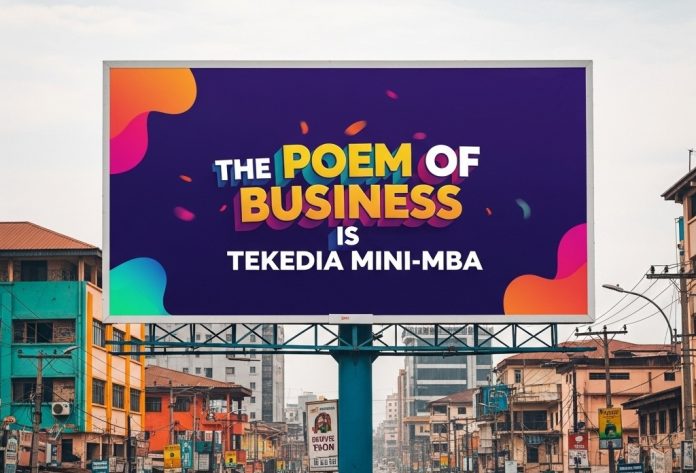
The Poem of Business

0
  • In the realm of commerce, where ambitions take flight,
  • A journey of knowledge ignites the true light.
  • For business to flourish, and ventures to soar,
  • Wisdom’s deep well is what you must explore.


  • Tekedia’s call, a beacon so clear,
  • For minds keen to learn, banishing all fear.
  • Mini-MBA, a path to excel,
  • From June the ninth, till September’s farewell.


  • But heed this message, let it ring true,
  • The final day to register, for me and for you,
  • Is July the first, twenty twenty-five,
  • Unlock your potential, set your business free!


  • Discover the poem of business here 
  • Master the lyrics of strategy, unlock growth in firms.
  • Co-learn with us, secure a future of abundance,
  • Become a factor in markets, THRIVE with Tekedia.

Africa’s $100 Billion Trade Finance Gap Threatens AfCFTA Ambitions, Afreximbank Warns

0

Africa is facing a massive $100 billion annual trade finance shortfall that is increasingly undermining efforts to unlock the full potential of the African Continental Free Trade Area (AfCFTA), according to the African Trade Report 2025 released by the African Export-Import Bank (Afreximbank).

The report, titled “African Trade in a Changing Global Financial Architecture,” paints a sobering picture of the financial obstacles impeding the continent’s economic integration goals.

The bank warns that unless this funding gap is addressed urgently, Africa’s efforts to boost intra-regional trade and establish resilient supply chains through the AfCFTA will stall. Despite efforts to increase trade within the continent, only 18% of African banks’ trade finance portfolios currently support intra-African trade, highlighting a continued bias towards external trade and a lack of support for local value chains.

“This severely limits the ability of small and medium enterprises, which make up 80 to 90 percent of businesses on the continent, to engage in regional trade,” Afreximbank stated.

AfCFTA: A $3.4 Trillion Market at Risk

The AfCFTA, officially launched in January 2021, aims to create a unified African market of 1.4 billion people with a combined GDP of $3.4 trillion. It is one of the African Union’s most ambitious economic integration initiatives under Agenda 2063, intended to eliminate trade barriers, reduce tariffs, and facilitate the movement of goods, services, and people across the continent.

According to the African Union, successful implementation of the AfCFTA could boost intra-African trade by more than 50% by 2030, foster industrialization, create millions of jobs, and reduce poverty levels. However, these goals remain elusive in the face of financial exclusion and fragmented regulatory systems.

“The AfCFTA is designed to boost intra-African trade, but its success hinges on closing this gap,” the report noted, adding that limited access to affordable credit has left SMEs unable to scale and plug into continental value chains.

Afreximbank has attempted to address these gaps through its $17.5 billion in trade finance disbursements and the launch of initiatives such as the Pan-African Payment and Settlement System (PAPSS), which enables cross-border transactions in local currencies. However, these steps fall short of solving the broader structural problems, including high borrowing costs, lack of harmonized regulations, and weak financial infrastructure.

External Headwinds and Global Trade Shifts

Beyond internal challenges, the report also highlights external pressures. Africa’s share of global exports has declined from 3.5% in 2009 to 3.2% in 2023, a drop attributed largely to geopolitical tensions, protectionist trade policies, and the continent’s continued reliance on exporting raw materials rather than processed goods.

The report identifies escalating competition between China and the United States, particularly over access to critical minerals and semiconductor technologies, as key factors disrupting global supply chains. These shifts have left Africa’s extractive economies exposed to market volatility and reduced their participation in high-value sectors like electronics and green energy.

“The rivalry between the United States and China over semiconductors and critical minerals disrupts supply chains, limiting Africa’s participation in high-value sectors,” Afreximbank said.

At the same time, the European Union’s Carbon Border Adjustment Mechanism and new U.S. tariffs are beginning to hurt African exports by penalizing carbon-intensive goods, further squeezing economies dependent on primary commodity exports.

Despite Africa’s rich deposits of lithium, cobalt, and rare earth elements—resources increasingly in demand for global clean energy transitions—the report warns that foreign investment models continue to prioritize extraction over local beneficiation, perpetuating a cycle of economic dependency.

Policy Recommendations

The report calls for the urgent mobilization of resources and political will to address the continent’s financial bottlenecks. Among its recommendations:

  • Expand local credit facilities targeted at SMEs
  • Harmonize regulatory frameworks across African financial institutions
  • Increase investment in cross-border infrastructure and digital trade platforms
  • Strengthen institutions like Afreximbank and African Development Bank to scale up support

The bank emphasized that without deliberate and coordinated efforts to close the trade finance gap, Africa risks missing the transformative opportunity presented by the AfCFTA.

“Strengthening African-led value chains and investing in infrastructure and digital finance are essential to enhance resilience and reduce reliance on volatile global markets,” the report concluded.

The flagship report was unveiled at the Afreximbank Annual Meetings, with key stakeholders in attendance including Prof. Benedict Oramah, President and Chairman of Afreximbank; Vice President Kashim Shettima (represented by Mr. Tope Fasua); and Denys Denya, Senior Executive Vice President of Afreximbank. The launch underscored the urgent need for a paradigm shift in Africa’s trade financing architecture to match the scale and ambition of the AfCFTA.