

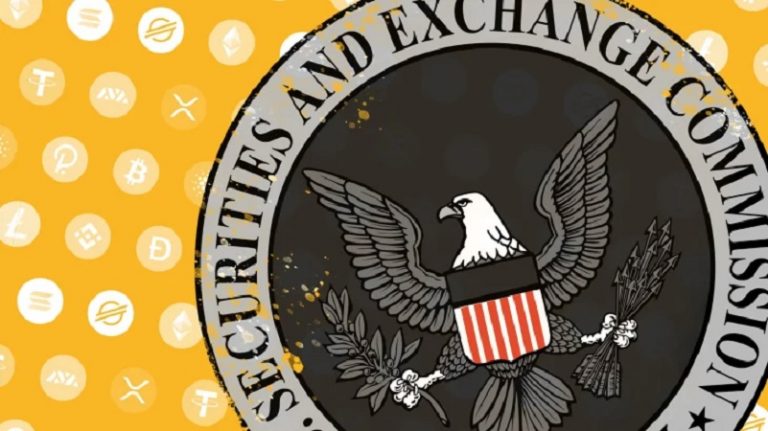
SEC Chairman Paul Atkins recently addressed concerns about the agency’s approach to cryptocurrency enforcement during a House Financial Services Committee hearing.
The discussion centered on a perceived pullback in crypto-related enforcement actions since the change in administration and leadership at the SEC following Gary Gensler’s tenure. Democratic lawmakers, including Ranking Member Maxine Waters, grilled Atkins on why the agency has paused or dropped several high-profile cases, with specific scrutiny on the ongoing (but stayed) civil fraud case against Justin Sun, founder of Tron (TRX).
The SEC originally charged Sun and his entities including Tron Foundation in March 2023 with violations including unregistered securities offerings of TRX and BTT, fraud via wash trading allegedly over 600,000 instances to inflate trading volume, and undisclosed celebrity promotions.
Register for Tekedia Mini-MBA edition 20 (June 8 – Sept 5, 2026).
Register for Tekedia AI in Business Masterclass.
Join Tekedia Capital Syndicate and co-invest in great global startups.
Register for Tekedia AI Lab.
In February 2025, the SEC requested a stay in the case to explore a potential resolution or settlement. No final resolution has been announced, and the pause has continued indefinitely. Lawmakers raised questions about potential political influence, noting Sun’s reported investments over $75 million in crypto projects linked to the Trump family, such as World Liberty Financial, and broader industry ties/donations to Trump-related ventures.
Atkins declined to discuss specific individual cases publicly, citing regulatory constraints, but stated he is open to providing a confidential briefing to lawmakers “to the extent the rules allow.” He emphasized the SEC’s shift away from heavy “regulation by enforcement” toward clearer rulemaking, including collaboration with the CFTC to develop a new taxonomy and regulatory framework for digital assets.
Atkins described the agency as “merit-neutral” and focused on providing regulatory clarity for the industry. This hearing reflects ongoing partisan tensions: Democrats expressed worries about weakened investor protection and possible conflicts of interest, while the broader context involves the SEC moving toward more structured crypto regulations rather than case-by-case actions.
No major new developments or resolutions in the Sun case were announced in these sessions. The topic continues to fuel debate about the direction of U.S. crypto policy under the current administration.

Sun has been a controversial figure in the crypto space since 2017, facing allegations of market manipulation, securities violations, and questionable business practices. Recent developments, including a paused U.S. Securities and Exchange Commission (SEC) enforcement action and new personal accusations, have amplified concerns about his activities.
These issues raise broader questions about regulatory enforcement, political influence, and integrity in the cryptocurrency industry. The primary legal scrutiny stems from a 2023 SEC civil lawsuit against Sun and his companies. The SEC alleged: Unregistered offerings of TRX and BitTorrent Token (BTT) as securities.
Fraud through over 600,000 wash trades to artificially inflate TRX trading volume. Undisclosed payments to celebrities for promoting TRX without revealing compensation. Sun and his entities have denied these allegations.

In February 2025, shortly after the start of the second Trump administration, the SEC requested a stay in the case to “explore a potential resolution,” which a federal judge approved. The pause has remained in effect for over a year, with no settlement or resumption announced as of February 2026.
This has fueled concerns that the SEC is retreating from crypto enforcement under new Chair Paul Atkins, who has emphasized shifting toward clearer rulemaking rather than “regulation by enforcement.”
Additional regulatory actions include: The UK’s Financial Conduct Authority (FCA) filing a lawsuit against HTX in October 2025 for illegal promotions to UK users, seeking to block its social media and app access. This marks the FCA’s first such action against a crypto exchange.
Critics argue the paused SEC case signals selective enforcement, potentially allowing wealthy defendants to evade accountability and eroding trust in markets. The SEC’s broader pullback—dropping or pausing multiple crypto cases—could encourage non-compliance in the industry, as firms perceive reduced risk of penalties.
However, proponents see it as fostering innovation through collaboration with the Commodity Futures Trading Commission (CFTC) on new frameworks like the Clarity Act.
Democrats in Congress, including Rep. Maxine Waters and Sen. Elizabeth Warren, have accused the SEC of political interference in the Sun case. Sun invested at least $75 million in World Liberty Financial (WLF), a Trump family-backed crypto project, and serves as an adviser.
This occurred around the time of the SEC stay. Lawmakers describe it as a potential “pay-to-play scheme,” where crypto industry donations to Trump-related ventures over $100 million total influenced enforcement decisions. During a February 11, 2026, House Financial Services Committee hearing, Atkins was grilled but declined to discuss specifics, citing rules, and offered a confidential briefing.
He stressed the SEC’s “merit-neutral” approach. This could undermine the SEC’s independence, setting a precedent where political connections shield violators. Democrats warn of weakened protections, while the administration pushes for pro-crypto policies, potentially leading to uneven regulation.
Sun’s operations span jurisdictions e.g., Singapore-based Tron Foundation, complicating U.S. enforcement and highlighting challenges in international crypto oversight. In late January 2026, Zeng Ying known as Tenten, who claims to be Sun’s ex-girlfriend from Tron’s early days, accused him of market manipulation.
She alleges: Sun used employees’ identities and phones to create multiple Binance accounts for coordinated TRX buying and selling in 2017-2018. This inflated prices before dumping on retail investors, generating illegal profits.
She possesses WeChat records, employee testimony, and internal evidence, and is willing to share with the SEC. Sun denied the claims on X, calling them baseless. These allegations emerged hours after Zeng revealed personal trading losses, raising questions about her motives.
Some speculate involvement from rivals like Binance’s CZ, given historical tensions. If credible, this could prompt the SEC to resume action, especially as lawmakers urged investigation during the February hearing.
Unverified claims add to Sun’s controversial image, potentially affecting TRX’s value and investor confidence. Broader crypto scandals often highlight tolerance for shady practices among industry leaders. Sun’s situation exemplifies ongoing tensions in crypto:Enforcement vs. Innovation: The SEC’s pivot under Atkins aims for clarity but risks fraud proliferation.
Ties between crypto moguls and politicians could lead to tailored regulations favoring big players, disadvantaging smaller entities. Repeated manipulation allegations underscore the need for robust oversight, as crypto remains vulnerable to pump-and-dump schemes.
Atkins hearing highlights enforcement concerns. These developments continue to evolve, with potential for renewed SEC action or settlements shaping U.S. crypto policy.