

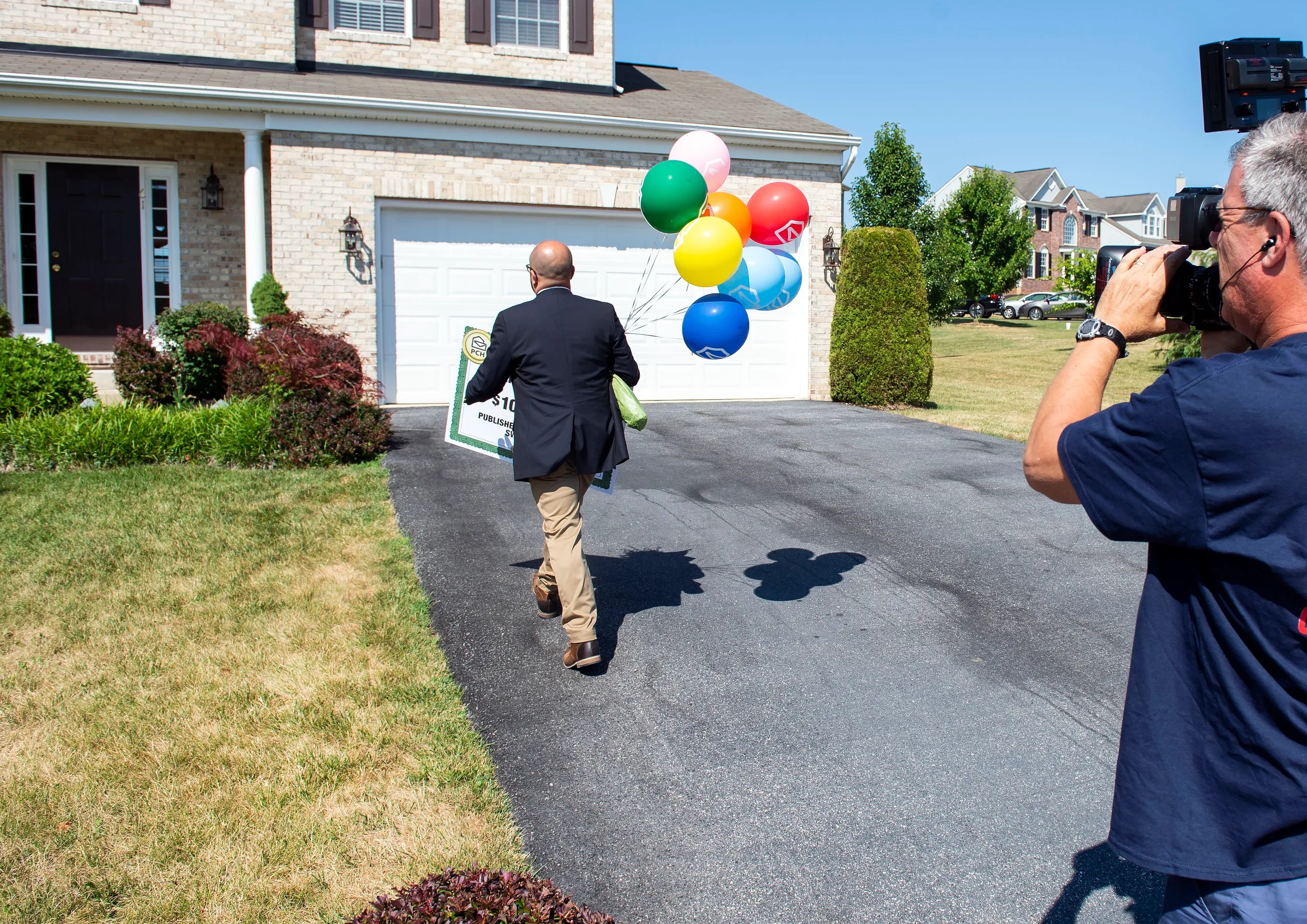
The Publishers Clearing House scam, perhaps not the oldest trick in the book, but it’s up there. Whether it’s a promise of endless wealth or a call in relation to being a lucky prize winner, we hate to be the bearer of bad news, but it’s likely a scam call. That said, some of them can be real, especially if you’ve applied for specific programs or entered into specific raffles or fundraisers.
For these reasons, it’s important to learn more about what a Publishers Clearing House scam call is to get to the bottom of them. Thankfully, this guide covers everything you need to know about them.
What Is Publishers Clearing House (PCH)?
Publishers Clearing House is one of the original online sweepstakes companies. The goal is to sell magazines and other merchandise to people, and they would attract customers by hosting events and awards; people would win thousands of dollars in prize money.
While the company was founded in 1953, it had a good run up until 2024, when the company filed for Chapter 11 bankruptcy, and its assets were acquired by ARB Interactive.
What Is a Publishers Clearing House Scam Call?
A Publishers Clearing House (PCH) scam call is a type of scam call that involves lying to someone about a prize they’ve won. Instead of actually offering the prize, the scam usually involves requesting payment to release the prize funds.
The caller will claim to be someone from Publishers Clearing House and inform you that you’ve won! Only, there’s a hold up and you need to pay to get your winnings, then request payment to release the funds. This works for PCH scam calls due to the company’s business model. As a company that frequently awards prizes to people as part of their marketing tactics, it’s no surprise that scammers have tried to get in on the action.
How to Spot a Publishers Clearing House Scam Call
Spotting a Publishers Clearing House scam call has never been easier. All you need to do is leverage the right tools or listen for the signs of a scam. Learn about how to protect yourself from these nefarious calls below.
Winning a Contest You Know Nothing About
It doesn’t matter how lucky you are; if you didn’t enter a contest, there’s no chance you’ve won any money. Therefore, if someone claiming to be from PCH calls and tells you that you’ve been randomly selected to collect a prize, you can simply hang up the phone and ignore them.
In fact, you should probably go ahead and block that number to prevent this from happening in the future.
Requests for Money
The most notable component of a Publishers Clearing House scam call is a request for money. If someone claims to be from PCH or ARB Interactive, but they need money to release your prize, it’s probably a scam.
This is even more evident if they ask for gift cards or other strange payment methods, like wire transfers through Western Union.
Fake Checks
If Publishers Clearing House (PCH) has sent you a check (for no reason), and they need you to cash it and then send some money back, you’re being scammed. Never cash one of these checks and never send anyone money from one because it will come out of your account when the bank figures it all out.
Thankfully, you can usually contact someone and ask about it to determine if the check is real or fake.
UnMask
The best way to protect yourself from a Publishers Clearing House scam call is to leverage UnMask. This is a reverse phone lookup tool that helps you learn more about someone who’s calling you. The result? You can identify if the caller is who they claim to be. For example, if someone claims to be from a specific company, you can check to see if they actually work there or if said person exists.
All you need to do is enter the phone number into the tool to view the full report. From there, you can further evaluate the legitimacy of the call.
Our Final Thoughts on a Publishers Clearing House Scam Call
While Publishers Clearing House may have changed hands back in 2024, that doesn’t mean that scam calls aren’t being made anymore. So, if you think you’re on the other end of a Publishers Clearing House scam call, make sure you evaluate the legitimacy of the call by contacting someone from the company or by using a reverse phone lookup tool, like UnMask.
If you know that the person on the other line is a scammer, hang up, block the phone number, and don’t give them any personal information.