

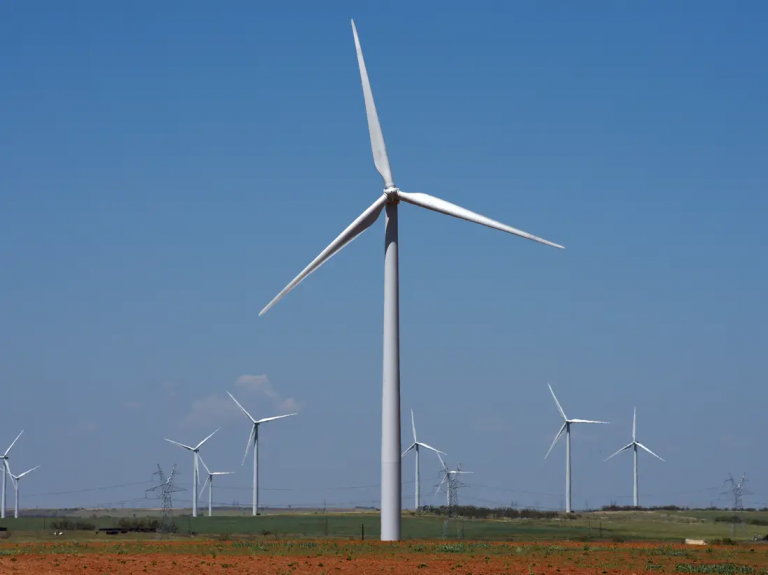
Germany’s renewable energy sector has reached a historic milestone, with employment in clean energy industries climbing to record levels. The achievement reflects years of investment in wind power, solar energy, battery technology, energy efficiency, and green infrastructure.
As Europe’s largest economy continues its transition away from fossil fuels, the renewable energy industry has become a major source of economic growth, innovation, and job creation.
However, despite the positive momentum, concerns are growing that policy uncertainty and changing political priorities could threaten the sector’s future expansion.
The rise in renewable energy employment is closely tied to Germany’s ambitious climate and energy goals. Germany has accelerated efforts to reduce greenhouse gas emissions, expand renewable power generation, and modernize its energy system.
Register for the next Tekedia Mini-MBA.
Register for Tekedia AI in Business Masterclass.
Join Tekedia Capital Syndicate and co-invest in great global startups.
These initiatives have created thousands of jobs across multiple industries, including engineering, manufacturing, construction, research, maintenance, and project development. Solar energy has emerged as one of the strongest contributors to employment growth.
The increasing installation of rooftop solar systems and utility-scale solar farms has generated demand for skilled workers ranging from electricians and technicians to software specialists and project managers.
Likewise, the wind energy industry continues to support a large workforce through the construction, operation, and maintenance of both onshore and offshore wind farms. Beyond power generation, Germany’s renewable energy boom has stimulated growth in related sectors.

Manufacturers of batteries, electric vehicle components, heat pumps, and energy storage systems have expanded production to meet rising demand. Universities and research institutions have also benefited, attracting investment and talent focused on developing next-generation clean energy technologies.
The economic benefits extend beyond urban industrial centers.
Many rural communities have experienced increased investment as renewable energy projects create local employment opportunities and generate additional tax revenues. Wind and solar developments often provide income streams for landowners and municipalities, contributing to regional economic development.
Industry leaders warn that this success should not be taken for granted. Policy uncertainty remains one of the greatest challenges facing the renewable energy sector. Changes to subsidy programs, permitting regulations, grid expansion policies, or climate targets could slow investment and weaken business confidence.

Renewable energy projects often require significant upfront capital and long planning timelines, making stable and predictable policies essential for investors. Political debates surrounding energy costs, industrial competitiveness, and public spending have intensified in recent years.
Some policymakers argue that renewable energy support mechanisms should be reduced as technologies become more cost-competitive.
Others advocate maintaining strong incentives to ensure Germany remains a global leader in clean energy and continues progressing toward its climate commitments. The sector also faces practical challenges that could affect employment growth.
Labor shortages are becoming increasingly common, particularly for technical and engineering roles. Companies report difficulties finding qualified workers to meet rising demand. Addressing these shortages will require expanded training programs, workforce development initiatives, and efforts to attract skilled talent from both domestic and international labor markets.
Grid infrastructure presents another concern. As renewable energy capacity expands, Germany must invest heavily in transmission networks and energy storage systems to ensure reliable electricity supply. Delays in these investments could limit future renewable deployment and reduce the pace of job creation.
Germany’s renewable energy workforce represents both an economic success story and a strategic asset. Record employment figures demonstrate the sector’s ability to drive innovation, competitiveness, and sustainable growth.
Yet preserving this momentum will depend largely on policy stability, continued investment, and effective workforce planning. If policymakers provide a clear and supportive framework, Germany’s renewable energy industry could continue creating jobs and strengthening the economy for years to come.