

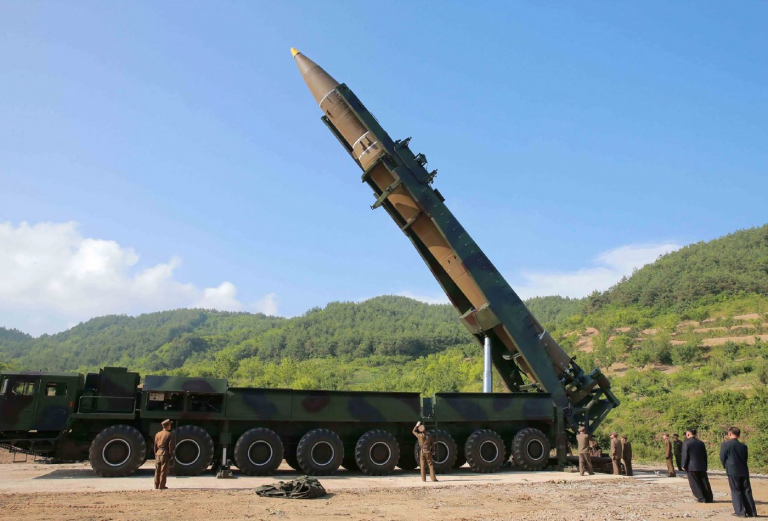
The growing integration of artificial intelligence into military systems has sparked intense debate among governments, defense companies, and technology experts worldwide. As AI capabilities advance rapidly, concerns about accountability, ethics, and security have become increasingly prominent.
Against this backdrop, the head of German defense manufacturer Rheinmetall has called for clear international rules governing the use of artificial intelligence in weapons systems, highlighting the urgent need for oversight in a rapidly evolving technological landscape.
Artificial intelligence is transforming modern warfare in unprecedented ways. AI-powered systems can process vast amounts of data, identify targets, coordinate battlefield operations, and enhance decision-making at speeds far beyond human capabilities.
These advantages have made AI a strategic priority for many nations seeking to modernize their armed forces. However, the same technologies that improve military efficiency also raise profound questions about the role of human judgment in life-and-death situations.
Register for the next Tekedia Mini-MBA.
Register for Tekedia AI in Business Masterclass.
Join Tekedia Capital Syndicate and co-invest in great global startups.
The Rheinmetall chief’s call for regulation reflects growing concern that technological progress is outpacing legal and ethical frameworks. While autonomous and semi-autonomous weapons offer significant operational benefits, they also create risks if deployed without adequate safeguards.
One of the most controversial issues is whether machines should be allowed to make lethal decisions without direct human intervention. Critics argue that delegating such authority to algorithms could undermine accountability and increase the likelihood of unintended consequences.
Supporters of stronger regulation contend that clear rules are necessary to prevent an uncontrolled arms race in autonomous weapons. As more countries invest in AI-driven military technologies, there is a risk that competition could encourage rapid deployment without sufficient testing or ethical review.

International standards could help establish common principles regarding transparency, human oversight, and acceptable uses of AI in combat environments. Another key concern involves the reliability of AI systems under battlefield conditions. Artificial intelligence can be highly effective when operating within predictable parameters, but warfare is inherently chaotic and unpredictable.
AI systems may encounter situations that differ significantly from the data on which they were trained. Errors in target identification, communication failures, or manipulation by adversaries could potentially lead to unintended civilian casualties or escalation of conflicts. Establishing regulations could help ensure that rigorous testing and verification procedures are followed before deployment.
The discussion also extends beyond technical performance to broader questions of international law. Existing laws of armed conflict were largely developed before the emergence of advanced AI technologies. Policymakers and legal experts are now grappling with how traditional principles such as proportionality, distinction, and accountability should apply to autonomous systems.

Industry leaders like Rheinmetall’s chief argue that governments, defense contractors, and international organizations must work together to create frameworks that address these challenges before AI becomes even more deeply embedded in military operations.
Importantly, the call for regulation does not necessarily imply opposition to military AI. Many defense experts believe AI can improve precision, reduce risks to soldiers, and strengthen national security when used responsibly.
The goal is not to halt innovation but to ensure that technological development proceeds within clearly defined ethical and legal boundaries. Establishing such standards could foster public trust while reducing the risk of misuse. As artificial intelligence continues to reshape the future of warfare, the debate over autonomous weapons is likely to intensify.
The Rheinmetall chief’s appeal for clear rules underscores a growing recognition that effective governance must evolve alongside technological advancement. Whether through international treaties, national regulations, or industry-led standards, the challenge facing policymakers is to balance innovation with responsibility in an era where machines are playing an increasingly important role on the battlefield.