

The blockbuster stock market debut of SpaceX has delivered more than a windfall for investors and founder Elon Musk. It is rapidly becoming a critical test case for the next generation of artificial intelligence listings, with Wall Street closely watching what the company’s record-breaking performance could mean for upcoming IPOs from OpenAI and Anthropic.
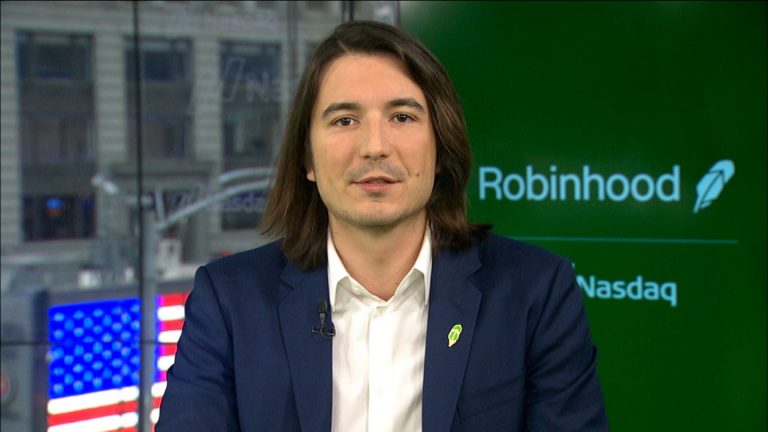
Trading platform Robinhood said Friday it experienced “record-breaking” traffic after SpaceX shares began trading on the Nasdaq, underscoring the extraordinary investor appetite surrounding what has become the largest initial public offering in history.
The brokerage disclosed that some customers experienced latency and intermittent disruptions as trading volumes surged, although the company said its systems recovered quickly.
Register for the next Tekedia Mini-MBA.
Register for Tekedia AI in Business Masterclass.
Join Tekedia Capital Syndicate and co-invest in great global startups.
The rush was triggered by SpaceX’s explosive market debut. Shares opened at $150 and quickly surged above $160, pushing the company’s valuation beyond $2 trillion within minutes of trading. The rally cemented Musk’s position as the world’s first trillionaire and demonstrated the willingness of investors to pay premium valuations for companies positioned at the intersection of artificial intelligence, advanced computing, aerospace infrastructure, and next-generation communications.
Within the first hour alone, roughly 263 million shares changed hands, representing about $42 billion in trading value. Such turnover is extraordinary even by the standards of the world’s largest technology listings and highlights the scale of demand that has built around Musk’s business empire.
What makes the surge even more remarkable is that only about 4% of SpaceX’s shares were made available to public investors through the IPO. The limited float created a supply-demand imbalance that intensified buying pressure and amplified price movements.

The debut represents far more than a successful listing for one company, as it has effectively become a referendum on investor enthusiasm for the broader artificial intelligence ecosystem.
For months, investors have debated whether the valuations attached to leading AI companies can be justified. OpenAI was last valued at about $852 billion in private markets, while Anthropic recently reached a valuation of approximately $965 billion. Both companies have confidentially filed for public offerings, setting up what could be another historic wave of technology listings.
The concern among bankers and institutional investors has been whether public markets would absorb such enormous valuations after years of aggressive AI spending and growing questions about long-term returns.

SpaceX’s reception appears to have eased many of those fears.
The offering attracted demand that reportedly exceeded $250 billion, more than three times the amount of stock being sold. That level of oversubscription suggests investors remain eager to gain exposure to companies viewed as leaders in transformative technologies, even at elevated valuations.
Market participants now see SpaceX as a leading indicator for AI IPOs. If investors are willing to support a $2 trillion valuation for a company whose future growth depends heavily on ambitious projects such as orbital AI data centers, satellite-based computing networks, and next-generation artificial intelligence infrastructure, confidence could increase that OpenAI and Anthropic will also secure strong demand when they eventually begin trading.
The successful launch also provides a blueprint for how future AI listings may be marketed. Companies are emphasizing their potential role in building foundational infrastructure for the AI economy, rather than focusing solely on current earnings. SpaceX has promoted its plans to deploy tens of thousands of satellites, construct orbital computing systems, and develop space-based AI infrastructure. OpenAI and Anthropic are similarly positioning themselves as providers of the core technologies expected to underpin future economic growth.
The implications extend beyond the AI sector.
A strong performance from SpaceX could reignite a broader IPO market that has struggled in recent years with higher interest rates, economic uncertainty, and investor caution. Technology bankers have noted that successful mega-listings often create a ripple effect, encouraging private companies to accelerate their own plans to go public.
That possibility is particularly significant given the pipeline of AI-related companies waiting in the wings. Beyond OpenAI and Anthropic, firms such as Perplexity and a growing number of AI infrastructure startups are expected to seek public market access over the coming years.
For Robinhood and other retail-focused brokers, the trading frenzy shows how investors are playing an increasingly influential role in shaping major market debuts. The combination of social media enthusiasm, AI excitement, and Musk’s personal brand created one of the most heavily followed public offerings in financial history.