

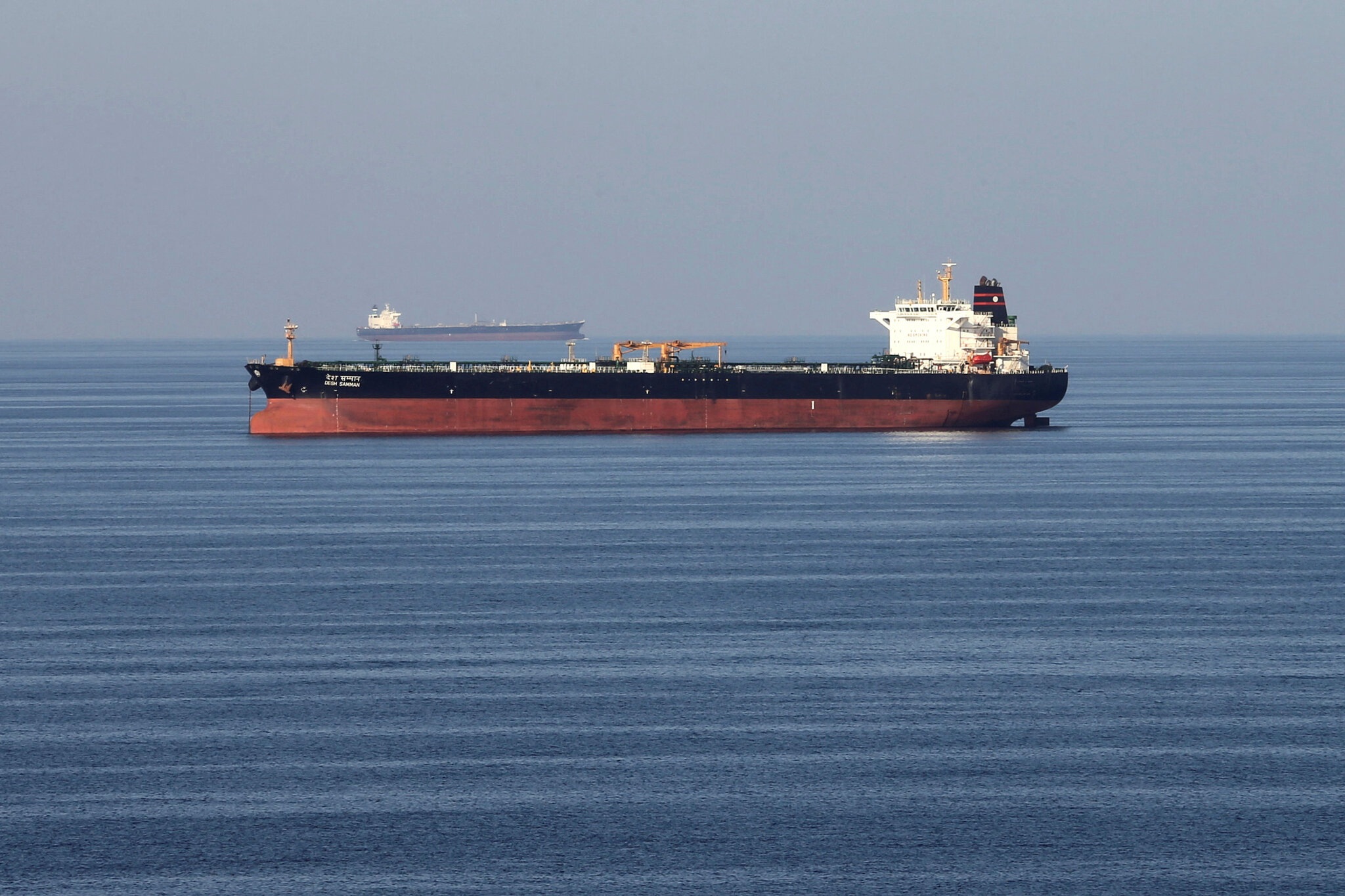
Russia has emerged as a significant short-term economic beneficiary from the ongoing US-Israeli military conflict with Iran, primarily through surging global oil prices and related market shifts triggered by disruptions in the Strait of Hormuz through which about 20% of global oil passes.
Iran’s retaliatory actions, including threats and effective blockades or delays in tanker movements, have reduced Gulf oil and gas exports, driving up benchmark prices like Brent crude which spiked toward $100–$120 per barrel in early stages of the conflict.
Russia, a major oil exporter, has seen its Urals crude; its main export blend shift from trading at steep discounts often $10–$25 below Brent due to Western sanctions and a price cap to near parity or even premiums in some cases.
This has boosted export earnings substantially: Analyses from the Centre for Research on Energy and Clean Air (CREA) indicate Russia’s average daily fossil fuel export revenues reached around €510 million (~$550–$590 million) in the initial weeks after strikes began, a 14–26% increase over February 2026 averages.
In roughly the first 1–2 weeks, this translated to an estimated $6–7 billion or ~€6 billion in total fossil fuel revenues, with extra daily gains of $150 million or more attributed to the price surge.
Register for Tekedia Mini-MBA edition 20 (June 8 – Sept 5, 2026).
Register for Tekedia AI in Business Masterclass.
Join Tekedia Capital Syndicate and co-invest in great global startups.
Register for Tekedia AI Lab.
Broader estimates suggest an additional $8.5 billion in monthly oil revenue from price jumps with ~$5 billion flowing to state coffers, or up to $10 billion in total windfall cited by Ukrainian President Zelenskyy in mid-March. Per-barrel increases of $10 can add ~$1.6 billion monthly to Russia.
Oil and gas typically account for 30–45% of Russia’s federal budget; the windfall has provided a lifeline amid strains from the Ukraine war, sanctions, and prior low prices; Urals briefly dipped toward $45/barrel pre-conflict. Some reports note revenues could reach tens of billions if disruptions persist.
The US issued temporary sanctions waivers; a 30-day exemption for India to buy Russian crude already at sea to ease global supply pressures and curb inflation, allowing Russia to sell at full price without the previous discount penalty. Russian tankers have diverted mid-voyag from China routes to India, with India snapping up ~30 million barrels quickly.

China and India, already major buyers, have increased uptake as alternatives to disrupted Middle Eastern supplies. Russia has long supplied arms to Iran; historically about one-third of Iran’s imports and deepened ties since 2022. Amid the conflict, Iran has sought more Russian systems, generating additional revenue for Moscow—though the scale is smaller than energy gains and limited by Russia’s own Ukraine commitments.
Intelligence sharing (satellite imagery, drone tech) continues, but direct sales provide a secondary boost. A prolonged Middle East conflict diverts US attention, resources, and munitions from Ukraine support; depleting stocks of interceptors and rockets used against Iranian/Shahed-style drones, potentially easing pressure on Russia there. It also fractures transatlantic unity to some degree and keeps oil prices elevated without Russia bearing direct costs.
Russia has provided some support to Iran and indirectly Houthis in prior Red Sea disruptions, but analysts note Moscow prefers a “slow-burning” conflict for maximum distraction and revenue without full escalation. These gains are widely described as short-term and temporary.
If the conflict resolves quickly or Hormuz reopens fully, prices could fall, erasing the windfall. Russia’s economy faces deeper issues (inflation, war spending, sanctions bite), and prolonged high energy costs could harm global demand including for Russian oil. Some analysts argue benefits are “limited” relative to structural problems, and Russia risks over-reliance on volatile commodities.

Trade with Iran itself remains modest ~$5 billion annually, with potential to grow but not transformative. Russia is “reaping billions” mainly via an energy price windfall—estimated in the $5–10+ billion range in the conflict’s early phase—fueled by Gulf disruptions, sanctions relief, and redirected Asian demand. This inadvertently funds its Ukraine efforts but does not resolve underlying vulnerabilities. Outcomes depend heavily on the conflict’s duration and resolution.