

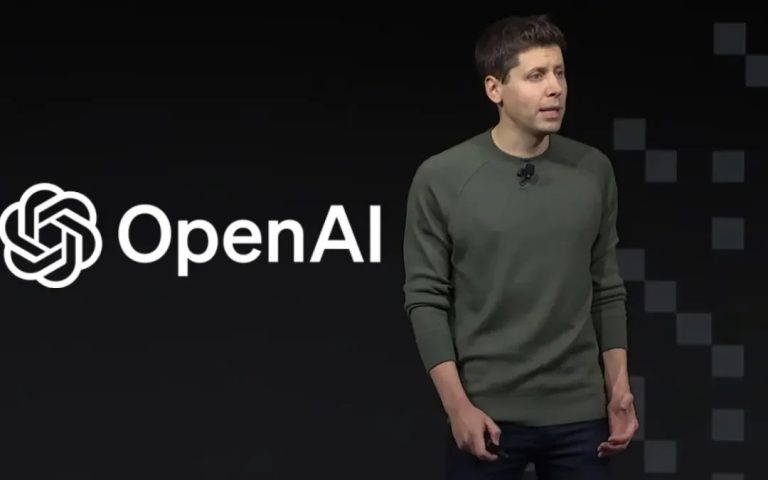
The new trailer for the OpenAI movie takes a provocative leap beyond artificial intelligence and corporate drama, imagining what the private world of Sam Altman might look like if the future he is helping build becomes as uncertain as it is revolutionary.
At the center of that fantasy is an especially striking image: a stash of guns and gold, presented as a symbol of preparation for a potentially unstable future.
The imagery is less about proving what Altman actually owns than about capturing a cultural fascination with technology leaders who contemplate extreme scenarios.
As artificial intelligence becomes increasingly powerful, the people building it are frequently portrayed not simply as entrepreneurs, but as individuals preparing for a world in which technological disruption could reshape society itself.
Register for the next Tekedia Mini-MBA.
Register for Tekedia AI in Business Masterclass.
Join Tekedia Capital Syndicate and co-invest in great global startups.
The movie trailer appears to lean into that mythology. Guns represent protection, while gold represents something more traditional: wealth that exists outside digital systems, financial institutions and technological infrastructure.
They create a visual shorthand for survival. The message is provocative because it contrasts sharply with the futuristic optimism normally associated with AI. Altman, as one of the most recognizable figures in the AI industry, has become a natural character for this kind of storytelling.
Through OpenAI, he sits near the center of a technological transformation that promises enormous economic and social benefits while also generating anxiety about automation, misinformation, cybersecurity, employment and the long-term consequences of increasingly capable artificial intelligence.

That tension gives the trailer its dramatic power. The imagined stash becomes a metaphor for the contradiction surrounding Silicon Valley’s AI revolution: extraordinary confidence in technology accompanied by extraordinary uncertainty about where that technology could lead.
It is important, however, to separate cinematic storytelling from established fact. A movie’s depiction of guns, gold or other preparations should not automatically be interpreted as evidence that Altman maintains a specific personal survival stockpile.
Trailers are designed to provoke curiosity, compress complex ideas into memorable imagery and create characters that can carry larger cultural themes.
The broader phenomenon is real. Technology executives and wealthy entrepreneurs have publicly discussed emergency planning, disaster preparedness and the possibility of extreme disruptions.

Such conversations have helped create an enduring fascination with Silicon Valley’s so-called “doomsday” culture, where private wealth can theoretically purchase access to remote property, security infrastructure, alternative energy and other forms of resilience.
Gold is particularly interesting within that narrative. Unlike shares, bank balances or digital assets, physical gold has historically been portrayed as a store of value that does not depend entirely on a functioning financial system.
Guns, meanwhile, represent a much more controversial form of preparedness, carrying obvious questions about regulation, safety and the social consequences of private stockpiling.
The trailer therefore works because it turns an abstract debate about AI risk into something viewers can immediately understand. Instead of asking only what artificial intelligence might do to the economy, it asks what the people building that future might do if they feared the consequences.
That is the intrigue behind the film’s portrayal. Whether the guns and gold are literal, exaggerated or entirely cinematic matters less than what they symbolize: a technological elite simultaneously racing toward the future and imagining how to survive it.
The OpenAI story has always been about more than machines. It is also about power, wealth, uncertainty and humanity’s relationship with technology. The new movie trailer simply packages those tensions into a provocative image—one that is likely to generate as much discussion about its human characters as it does about AI itself.