

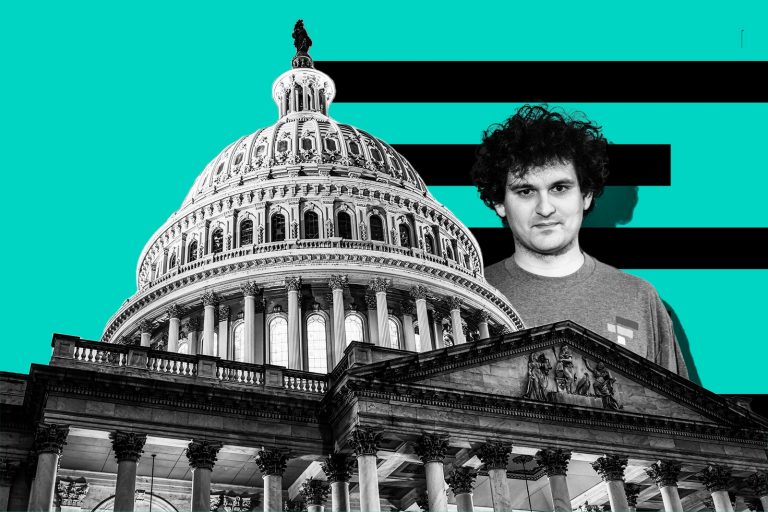
In a development that has reignited debates across the crypto and political landscape, reports indicate that Sam Bankman-Fried has formally submitted an application seeking a presidential pardon. The move, if confirmed, marks a dramatic turn in one of the most consequential financial fraud cases of the decade.
Bankman-Fried, once celebrated as a leading figure in the digital asset industry, became the central figure in the collapse of FTX, a crypto exchange whose failure in 2022 erased billions in customer funds and triggered widespread regulatory scrutiny. His conviction and sentencing followed a highly publicized trial that exposed deep governance failures, risky financial practices, and alleged misuse of customer assets.
The filing for a presidential pardon introduces a complex legal and political dimension to an already controversial case.
While details of the application remain unverified, the mere prospect has sparked renewed discussion about accountability in the cryptocurrency sector and the limits of executive clemency in white-collar crime cases. Legal analysts note that pardon applications are typically evaluated on factors such as remorse, rehabilitation, the severity of the offense, and broader public interest.
Register for the next Tekedia Mini-MBA.
Register for Tekedia AI in Business Masterclass.
Join Tekedia Capital Syndicate and co-invest in great global startups.
In high-profile financial fraud cases like FTX, the political sensitivity is amplified due to the scale of investor losses and the precedent it may set for future enforcement actions in emerging financial technologies. The situation also reopens debate on whether the crypto industry’s early regulatory gaps contributed to systemic vulnerabilities that allowed such collapses to occur.
The request for clemency, regardless of outcome, is likely to become a focal point in broader discussions about regulatory reform and the governance of digital asset markets. Supporters of strict enforcement argue that granting relief in such a case could undermine deterrence and weaken confidence in financial oversight mechanisms.
Some advocates of reform suggest that the extraordinary nature of crypto markets in their early development years warrants a more nuanced interpretation of culpability, particularly when institutional safeguards were underdeveloped.
The case also highlights the intersection between law, politics, and rapidly evolving technology sectors, where legal frameworks often lag behind innovation. The outcome of the pardon application will depend on a combination of legal review, political considerations, and public sentiment, all of which can shift rapidly in high-profile cases involving financial misconduct.

Even the perception of such a filing can influence market narratives around crypto regulation, reinforcing either calls for stricter oversight or arguments for more innovation-friendly policy frameworks depending on stakeholder perspective. For investors and policymakers alike, the case serves as a reminder of how closely intertwined technological innovation and legal accountability have become in the modern financial system.
As developments continue to unfold, the broader implications for the cryptocurrency industry, executive clemency norms, and regulatory precedent remain uncertain, pending official confirmation and judicial or executive action. Whether or not the application succeeds, it is expected to intensify scrutiny of past crypto collapses and the individuals associated with them.
The symbolic weight of a pardon request in such a case extends beyond one individual, touching on broader questions of justice, financial responsibility, and the boundaries of state clemency in economic crimes. Observers will continue to monitor how institutions respond, particularly in balancing legal finality with political discretion in an era of fast-moving digital finance. Final confirmation from authorities remains pending, leaving the case subject to speculation and ongoing legal interpretation developments continue.
