

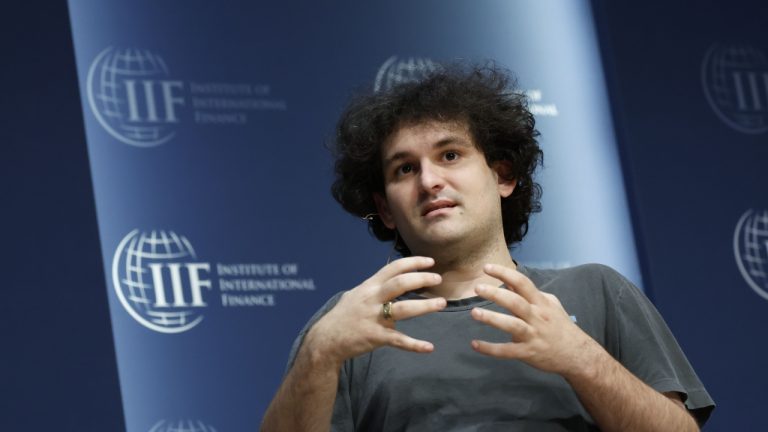
Sam Bankman-Fried (SBF), the disgraced founder of the collapsed cryptocurrency exchange FTX, is actively appealing his conviction and 25-year prison sentence for orchestrating an $8–11 billion fraud scheme.
Convicted in November 2023 on seven counts of fraud and conspiracy, he was sentenced in March 2024 by U.S. District Judge Lewis Kaplan. SBF is currently serving his term at FCI Terminal Island, a low-security federal prison near Los Angeles.
His appeal, filed with the U.S. Court of Appeals for the Second Circuit in New York, argues that the trial was fundamentally unfair due to judicial bias, media prejudice, and evidentiary restrictions. Oral arguments were heard on November 4, 2025—just yesterday—before a three-judge panel.
Barrington D. Parker Jr., Eunice C. Lee, and Maria Araujo Kahn. SBF’s legal team, led by attorney Alexandra Shapiro, presented four main grounds for reversal or a new trial.
Register for Tekedia Mini-MBA edition 20 (June 8 – Sept 5, 2026).
Register for Tekedia AI in Business Masterclass.
Join Tekedia Capital Syndicate and co-invest in great global startups.
Register for Tekedia AI Lab.
Judicial Bias and “Presumption of Guilt”. Claims Judge Kaplan’s pretrial remarks and actions, such as labeling parts of SBF’s testimony “a joke,” created an appearance of bias. They argue a “rush to judgment” by prosecutors, media, and the judge violated SBF’s presumption of innocence.
Evidentiary Exclusions
The defense was barred from presenting evidence of FTX’s alleged solvency (e.g., liquid assets sufficient to cover customers) and advice from in-house lawyers, which could have shown SBF acted in good faith or relied on legal guidance.
Unfair Pretrial and Trial Procedures

A unique “free preview” rule forced SBF to testify outside the jury’s presence, giving prosecutors an advantage in cross-examination. Limits on his testimony the next day further “cut off the defense by the knees.”
Intense pretrial publicity tainted the jury pool, making a fair trial impossible in Manhattan. The team seeks to vacate the conviction, sentence, and $11 billion forfeiture order. They emphasize that the fraud stemmed from “risk management failures,” not intentional crime, and note emerging evidence that FTX held billions in assets to repay clients.
The November 4 hearing lasted about an hour, with judges interrupting Shapiro frequently and appearing unmoved. Key exchanges included: Judge Maria Araujo Kahn pressing whether the defense conceded the trial evidence was sufficient for conviction, highlighting the high bar for reversal.

Judge Parker noting the defense never fully claimed SBF relied on attorney advice for all decisions during the trial. Prosecutors countered with overwhelming evidence: Three FTX executives (Caroline Ellison, Gary Wang, and Christian Drappi) testified against SBF.
Corroborated by documents showing he directed the diversion of customer funds to Alameda Research for risky investments and political donations. No ruling was issued on the spot—appeals courts often take months (or longer) to decide.
If denied, SBF could petition the U.S. Supreme Court, though success rates for such appeals are low under 1% historically for criminal cases. Some reports speculate on a potential presidential pardon, given SBF’s past political donations, but that’s unlikely under current administrations.
Recent posts reflect skepticism and memes about SBF’s odds. For instance, users noted the judges’ tough questioning and quipped that “reputation breaks faster than any chain,” while others highlighted the appeal’s focus on solvency evidence. One post summarized: “SBF appeal under pressure—U.S. appeals court questions his attempt to overturn crypto-fraud convictions.”
SBF’s case remains a cautionary tale for crypto, underscoring risks of unchecked innovation and regulatory gaps. While his appeal faces long odds, it could influence future fraud trials by testing boundaries on media influence and evidentiary rules in high-profile cases.