

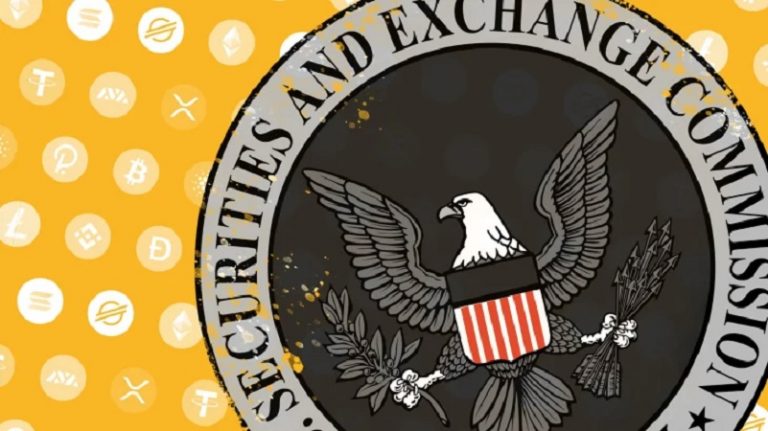
U.S. Securities and Exchange Commission (SEC) is actively planning to formalize an “innovation exemption” specifically tailored to support crypto and blockchain companies.
This initiative, spearheaded by SEC Chair Paul Atkins, represents a significant pivot from the agency’s past “regulation by enforcement” approach under previous leadership, which many in the industry criticized as overly repressive and a driver of U.S. innovation overseas.
Instead, the exemption aims to create a structured “sandbox” environment where compliant firms can experiment with new technologies under lighter oversight, while still adhering to core investor protections.
Register for Tekedia Mini-MBA edition 20 (June 8 – Sept 5, 2026).
Register for Tekedia AI in Business Masterclass.
Join Tekedia Capital Syndicate and co-invest in great global startups.
Register for Tekedia AI Lab.
Atkins has repeatedly stated that the SEC intends to initiate formal rulemaking for the exemption by the end of 2025, with potential finalization slipping into early 2026 depending on external factors like the ongoing U.S. government shutdown. He described it as a “top priority” during remarks at a Futures and Derivatives Law Report event in New York on October 7, 2025, emphasizing urgency despite bureaucratic hurdles.
The exemption would provide temporary relief from certain outdated securities regulations originally designed for traditional finance for innovative crypto projects. This includes: Testing decentralized finance (DeFi) protocols, tokenization of assets, staking/lending services, initial coin offerings (ICOs), airdrops, and network rewards.
Allowing startups to launch products without “burning millions on lawyers first,” as one industry executive put it, while giving the SEC a “front-row seat” to monitor real-world applications. Principles-based compliance rather than rigid rules, fostering “responsible experimentation.”
This is part of the SEC’s “Project Crypto” initiative, launched in July 2025, which seeks to modernize rules for digital assets, clarify the Howey Test for security classification, and harmonize with the Commodity Futures Trading Commission (CFTC).

It aligns with President Trump’s vision to make the U.S. the “crypto capital of the planet,” potentially unlocking up to $50 billion in institutional investments by 2026 and boosting public listings in the sector.
Atkins has framed it as a way to “bring innovation home” after years of uncertainty that pushed firms abroad—echoing sentiments from crypto leaders like Wendy Fu of Momentum Finance, who noted it could enable on-chain financial products without retroactive enforcement fears.
Potential Impact on Crypto Companies
This exemption could be transformative for U.S.-based crypto firms, reducing barriers to entry and encouraging domestic development. Here’s a quick comparison of the pre- and post-exemption landscape.

Critics, however, warn that the rules must be “tailored to how crypto actually works” to avoid becoming mere “regulatory theater.” If implemented effectively, it could accelerate mainstream adoption, revive U.S. public markets where listings have halved in three decades, and position America as a global leader in Web3.
The announcement has sparked optimism across crypto communities. ThuanCapital highlight its role in “bringing crypto back to the U.S.,” reflecting global interest.In summary, this isn’t just procedural—it’s a deliberate effort to end the “stagnation” in U.S. crypto and foster a pro-innovation ecosystem.
By providing temporary relief from stringent securities regulations, the exemption will reduce the legal and compliance costs that have historically deterred startups from launching in the U.S. This could lead to a surge in new DeFi protocols, tokenized assets, and blockchain-based financial products developed domestically.
The U.S. has lost significant crypto talent and companies to jurisdictions like Singapore, Dubai, and Switzerland due to regulatory uncertainty. The exemption could bring firms back, fostering job creation and positioning the U.S. as a hub for Web3 innovation.
A startup launching a tokenized real estate platform could test its product in the sandbox without fear of immediate SEC enforcement, encouraging experimentation that was previously offshored.
Clearer regulations could boost public listings of crypto firms, reversing the decline in U.S. IPOs down 50% over three decades. This would deepen liquidity in crypto markets and attract traditional finance players like BlackRock, which has already committed $22 billion to crypto-related investments.
As part of “Project Crypto,” the exemption could streamline overlapping jurisdictions between the SEC and CFTC, clarifying which assets are securities versus commodities. This reduces legal ambiguity for tokens like Ethereum or stablecoins.
The rulemaking process could face delays due to external factors like the U.S. government shutdown, potentially pushing finalization into 2026 and creating short-term uncertainty.
The sandbox environment will allow testing of innovative applications like tokenized securities, decentralized lending, and airdrops, accelerating their integration into mainstream finance. This could make crypto more accessible to retail and institutional users.
A pro-innovation stance from the SEC could shift public and corporate views on crypto, moving it from a speculative asset to a foundational technology for finance, supply chains, and more.
The exemption could position the U.S. as a global leader in blockchain technology, countering the dominance of jurisdictions like the EU with MiCA regulations and Asia. This aligns with strategic goals to “bring innovation home.”
The SEC must balance innovation with investor protection. Overly lax rules could invite fraud, while overly strict ones might render the exemption ineffective, as warned by industry critics calling for “tailored” regulations.
The ongoing U.S. government shutdown and potential shifts in political priorities could slow the rulemaking process, dampening industry momentum. While the exemption signals a bullish outlook, speculative hype.
A revitalized U.S. crypto sector could create thousands of high-skill jobs in tech, finance, and legal services, while boosting tax revenues from growing crypto firms. By enabling innovative financial products, the exemption could improve access to capital for underserved communities, though this depends on robust consumer protections.
The SEC’s innovation exemption could be a game-changer for the U.S. crypto industry, fostering innovation, attracting capital, and restoring global competitiveness. It promises to shift the regulatory paradigm from punitive to collaborative, potentially unlocking billions in investment and mainstreaming blockchain technology.