

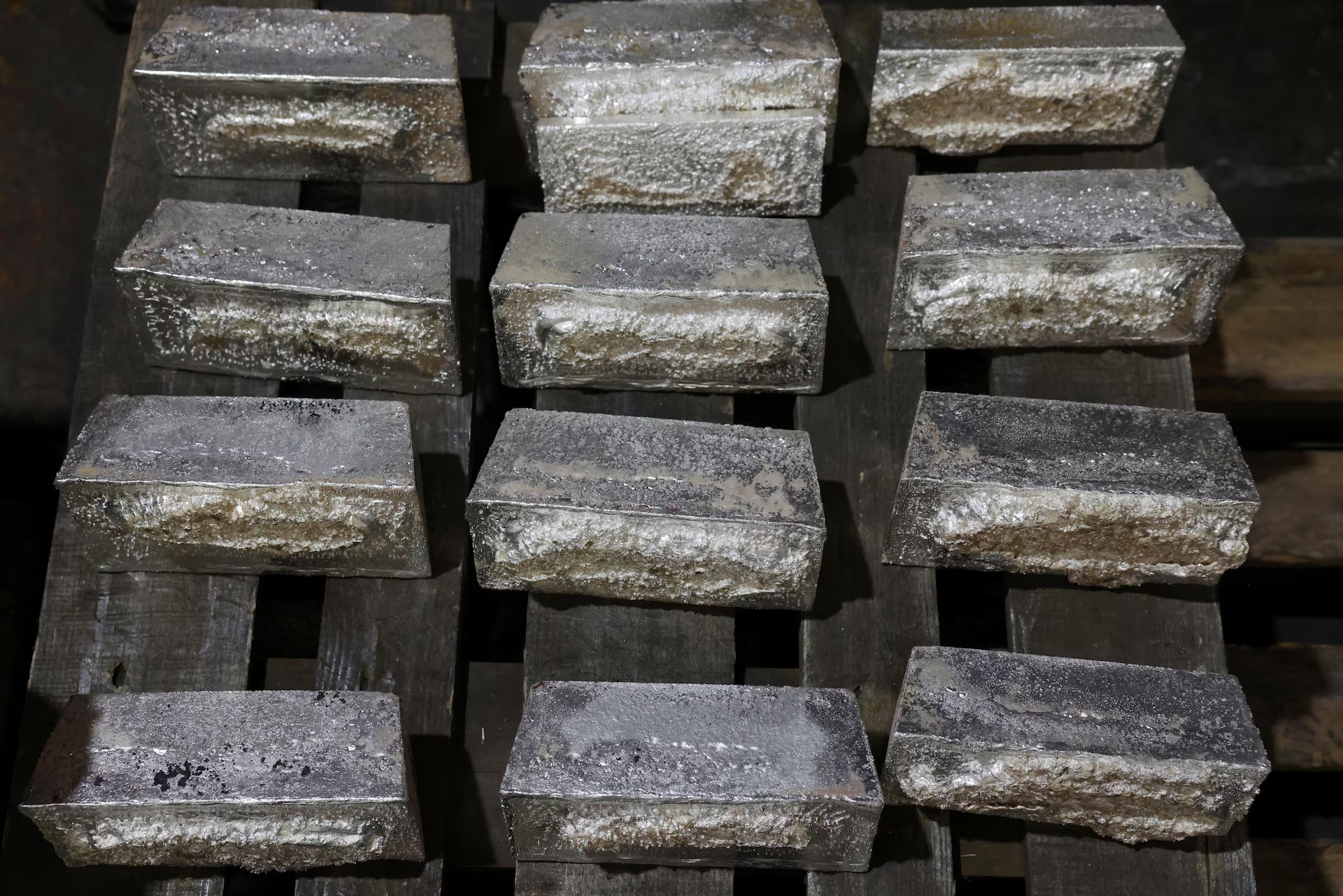
Silver’s been on an absolute tear lately. As of today the spot price is hovering around $90–$91 per ounce, with recent quotes from major sources like Kitco ($90.65–$90.90 bid/ask), APMEX ($91.47), JM Bullion ~$91.54, and others in that ballpark.
It’s pulled back a bit today, down roughly 2–3% in early trading, but that’s after smashing through fresh all-time highs earlier this week. It did surge over $88 and even hit above $92 at peaks in the last few days—marking new record territory beyond the old 1980 inflation-unadjusted highs and the more recent 2011 peak.
The run has been explosive: silver’s up massively year-over-year around 190–195% in many trackers, driven by a combo of factors like: Strong industrial demand (solar, EVs, AI/electronics, clean energy tech). Persistent supply constraints and multi-year market deficits.
Register for Tekedia Mini-MBA edition 20 (June 8 – Sept 5, 2026).
Register for Tekedia AI in Business Masterclass.
Join Tekedia Capital Syndicate and co-invest in great global startups.
Register for Tekedia AI Lab.
Safe-haven buying amid geopolitical tensions, fiscal concerns, and macro uncertainty. Broader precious metals momentum (gold’s also near records, but silver’s often more volatile/amplified). It’s been quite the rally since breaking out in late 2025.
The dip today might tie into profit-taking, some tariff-related news easing like Trump holding off on certain critical mineral moves, or general volatility—but the underlying drivers still look supportive for many analysts.
Silver’s industrial demand has become the dominant force in its market—typically accounting for 50-60% of total annual consumption around 59% in recent data from 2025. Unlike gold, which is mostly investment-driven, silver’s price and availability are increasingly tied to real-world manufacturing and tech applications, where its unmatched electrical and thermal conductivity— the highest of any metal makes it hard to replace.

This demand has hit record highs in recent years, with industrial fabrication reaching about 680.5 million ounces in 2024, a new all-time high, up 4% year-over-year and projections for continued strength into 2025-2026, even with some short-term fluctuations from high prices prompting “thrifting” reducing silver per unit.
The key drivers fueling this growth are tied to the global energy transition, electrification, and digital/tech expansion. Silver paste is used in conductive layers on solar cells for efficient electricity collection—each panel typically requires 15-25 grams of silver.
This sector has exploded: PV silver demand rose from ~11% of industrial use in 2014 to 29% in 2024, with installations growing massively especially in China, Europe, and the US. Global solar capacity has surged over 10x in the last decade, and forecasts show solar becoming the top renewable source by 2030 (IEA projects strong CAGR in new capacity).
Despite “thrifting” (tech advances cutting silver per panel, e.g., in some 2025 forecasts leading to flat or slightly lower demand temporarily), overall volume keeps rising due to sheer scale—some estimates see PV consuming 10,000–14,000 tonnes ~320-450 million ounces annually by 2030.

It’s largely price-inelastic: governments and companies push renewables hard, even at higher silver costs. EVs use significantly more silver than traditional internal combustion engine vehicles—often 67-79% more up to ~1-2 ounces per car in wiring, sensors, power modules, batteries, and electronics.
Demand grows from vehicle production + charging infrastructure, stations need high-conductivity components. Global automotive silver demand is forecast to rise at a 3.4% CAGR through 2031, with EVs overtaking ICE vehicles as the main source by 2027 projected to account for ~59% of auto silver use by then.
Broader vehicle tech like sensors, autonomous features, infotainment adds more. Silver’s conductivity shines in high-performance electronics: switches, contacts, conductors in phones, tablets, wearables, 5G networks, and power management.
AI/data centers are a rising factor—massive power needs require efficient electrical components and thermal management; global IT power capacity has grown ~53x since 2000. Grid upgrades for renewables (transmission lines, smart grids) boost demand.
Electrical and electronics overall has grown ~51% since 2016, often the largest sub-sector. Ethylene oxide (EO) catalysts for chemicals though slower growth recently. Brazing alloys, medical devices, and more minor applications.
High silver prices like the current run over $88/oz can slow some growth via thrifting/substitution or economic caution, but structural trends in clean energy and tech make demand resilient and growing long-term. Analysts from the Silver Institute and others see industrial use expanding through 2030, contributing to persistent market deficits demand outpacing supply for years.
This “non-negotiable” industrial floor—less cyclical than investment demand—helps explain silver’s explosive run. If you’re watching the metal, these drivers are why many see sustained upside despite volatility.