

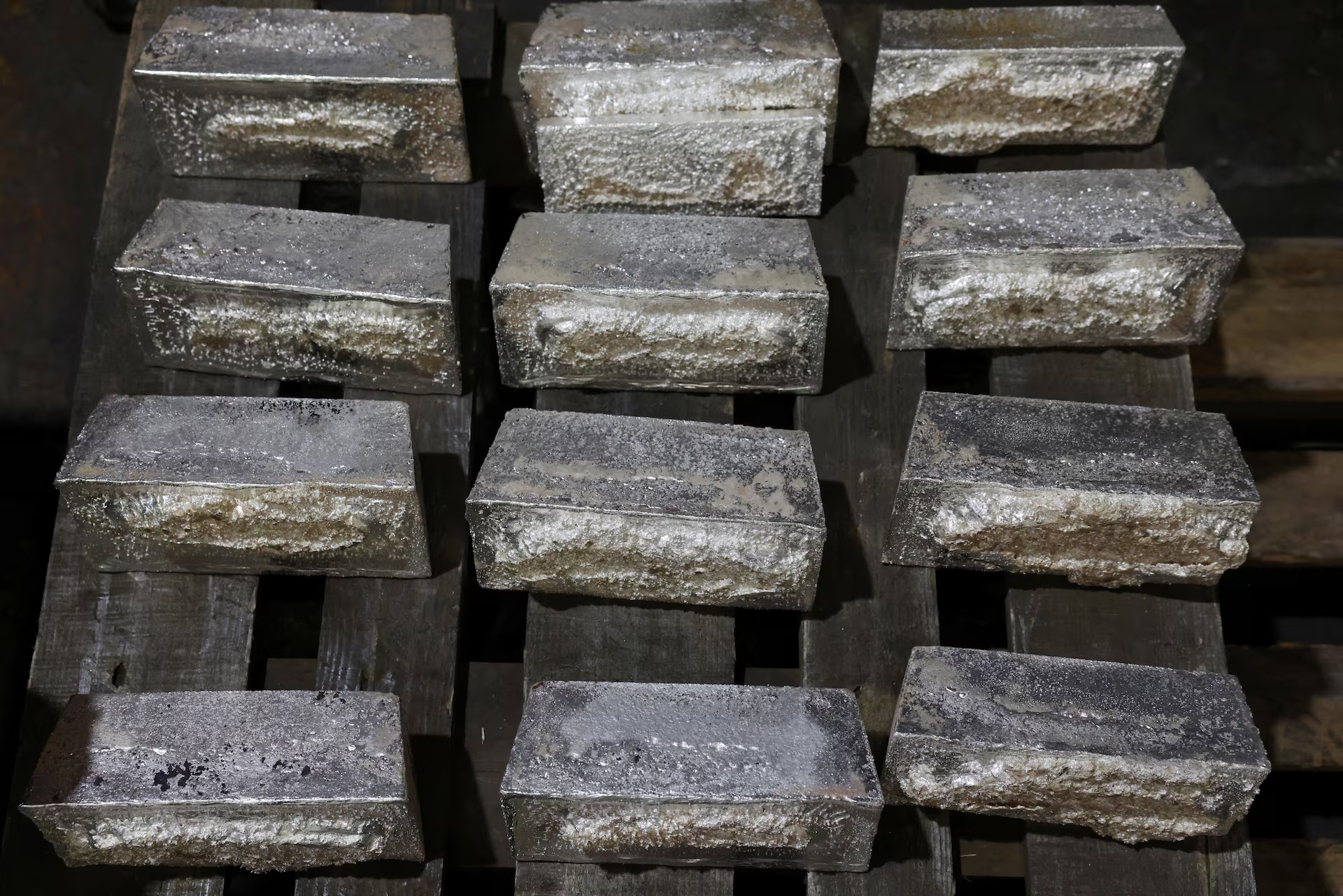
Silver prices have suffered a significant decline, falling below $48 on Monday for the first time in more than a year.
The precious metal is now approximately 61% below its January peak, highlighting the severity of the downturn and the growing pressure facing the global silver market.
Despite the substantial price reduction, cheaper silver has done little to attract buyers back, suggesting that concerns about weakening demand are outweighing the appeal of lower prices.
Register for the next Tekedia Mini-MBA.
Register for Tekedia AI in Business Masterclass.
Join Tekedia Capital Syndicate and co-invest in great global startups.
The latest decline reflects a combination of economic uncertainty, changing industrial requirements, declining investment interest, and weakness in traditional jewellery consumption.
Silver has historically benefited from its dual role as both a precious metal and an important industrial commodity. The current market environment is exposing vulnerabilities in both areas, leaving prices struggling to find meaningful support.
According to Metals Focus, global silver demand is expected to decline by 5% this year. The forecast suggests that the market is entering a challenging period as several major sources of consumption weaken simultaneously.

Jewellery demand is projected to fall by 22%, representing one of the most significant pressures on the market. Jewellery consumption is particularly sensitive to price movements and household purchasing power.
Although lower silver prices could eventually encourage consumers to increase purchases, economic uncertainty and affordability concerns may prevent an immediate recovery.
Consumers and manufacturers may also delay purchases while waiting for prices to stabilise, creating additional pressure on demand. Industrial consumption is another important concern.

Silver is widely used in electronics, electrical equipment, medical applications, and renewable energy technologies because of its excellent conductivity and other physical properties.
Industrial demand is expected to weaken as solar panel manufacturers reduce their silver consumption. The solar industry has traditionally been an important source of silver demand because photovoltaic cells require the metal to conduct electricity.
Manufacturers are increasingly looking for ways to reduce silver usage, improve production efficiency, and manage material costs.
These technological adjustments could gradually reduce the amount of silver required for each solar panel, weakening an important source of long-term demand growth.
Investment demand is showing signs of considerable deterioration. Metals Focus expects investment funds to shed approximately 45 million ounces of silver, reversing part of the substantial buying activity recorded last year.
This anticipated reduction suggests that institutional investors are becoming less willing to maintain significant exposure to the metal amid falling prices and uncertain market conditions.
The withdrawal of investment capital could create another obstacle to recovery. Precious metals often benefit from demand for inflation protection, portfolio diversification, and protection against economic instability.
However, when investors lose confidence in a commodity’s immediate outlook, those traditional attractions may become insufficient to prevent substantial selling.
Silver’s performance raises questions about the relationship between precious metals and industrial commodities. Unlike gold, which primarily attracts monetary and investment demand, silver depends heavily on manufacturing activity.
Consequently, weakness in industrial consumption can undermine its market performance even when broader economic uncertainty remains elevated.
The current downturn does not necessarily eliminate silver’s longer-term investment potential. Renewable energy, electronics, electric vehicles, and advanced technologies could continue creating important industrial opportunities.
The market faces an uncomfortable combination of declining jewellery purchases, weaker industrial consumption, and investment outflows. Until these pressures begin to ease, silver may struggle to attract buyers despite its considerably cheaper price.
The next phase of its recovery will depend largely on whether industrial demand stabilises and investors regain confidence.