

The popular American comedy show Saturday Night Live (SNL) has taken aim at businessman and television personality Kevin O’Leary over his proposed data center in Utah.
Using satire to highlight growing public concerns about artificial intelligence infrastructure, environmental costs, and the impact of technological expansion on local communities.
The sketch, featuring the memorable line, “I’m going to make the future go away,” captures the tension between the promise of technological progress and the resistance it increasingly faces.
Register for the next Tekedia Mini-MBA.
Register for Tekedia AI in Business Masterclass.
Join Tekedia Capital Syndicate and co-invest in great global startups.
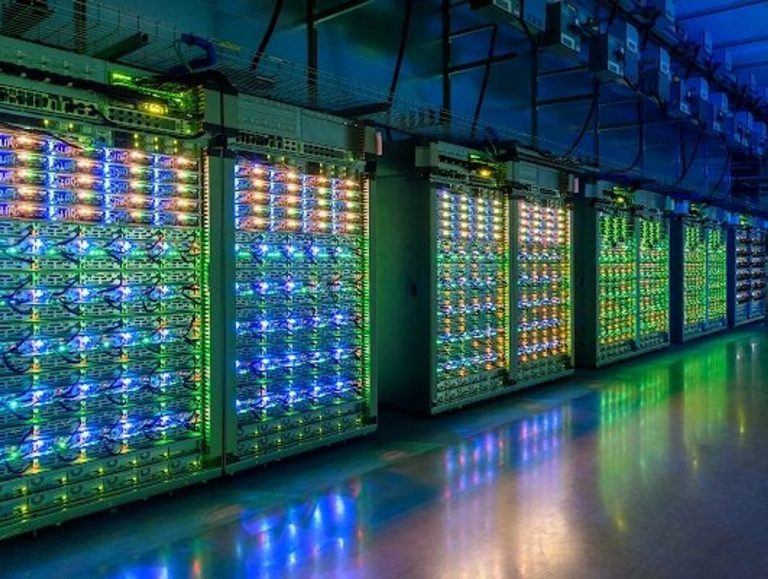
Data centers have become essential to the global digital economy. These facilities house the powerful computer systems required to operate cloud services, train artificial intelligence models, process financial transactions, and support millions of online applications.
As companies race to establish leadership in AI, demand for computing capacity has surged, encouraging investors and entrepreneurs to pursue increasingly ambitious infrastructure projects.
However, the expansion has generated disputes over electricity consumption, water resources, land use, and the quality of life in surrounding communities. O’Leary, widely known as an investor on Shark Tank, represents the entrepreneurial ambition driving many of these developments.

His involvement in a Utah data center has attracted attention as communities across the United States debate whether the economic benefits of large technology facilities outweigh their potential costs.
SNL’s satirical approach turns that debate into entertainment, using humor to question whether the pursuit of technological progress sometimes comes at the expense of ordinary people.
The sketch’s central message reflects a broader anxiety about the artificial intelligence boom. Technology companies and investors frequently present AI infrastructure as essential to economic competitiveness, promising new jobs, improved productivity, and innovations that could transform industries.

Yet residents living near proposed facilities may see a different picture: enormous buildings, increased pressure on local power grids, heavy demands on water supplies, and uncertainty about whether promised economic benefits will reach their communities.
Electricity consumption has emerged as one of the most contentious aspects of the data center expansion. Advanced AI systems require substantial computing power, and the facilities supporting them can place considerable demands on regional electricity networks.
In areas where power supplies are already constrained, new projects may intensify concerns about higher utility bills, infrastructure investment, and competition for limited resources.
Water consumption presents another challenge, particularly in regions where drought and population growth have already placed pressure on supplies. Depending on their cooling systems and energy sources, data centers can require significant quantities of water directly or indirectly.
These concerns have made transparency and responsible resource management increasingly important to local residents evaluating new developments.
SNL’s intervention also demonstrates the influence of popular culture in shaping public conversations about complicated economic issues. Satire can make technical debates accessible, exposing contradictions between corporate promises and community expectations.
By portraying the controversy through comedy, the show encourages audiences to question who benefits from the AI revolution and who bears its costs.
Opposition to data centers does not necessarily amount to opposition to artificial intelligence itself. Communities may support technological innovation while demanding stronger environmental safeguards, responsible energy planning, meaningful public consultation, and greater accountability from developers.
The controversy surrounding O’Leary’s Utah project illustrates a defining challenge of the AI era: balancing investment and innovation with environmental sustainability and public consent. As data centers become increasingly central to the modern economy, investors must recognize that technological ambition alone cannot guarantee public acceptance.
SNL’s joke about making the future disappear may be exaggerated for comedic effect, but the underlying question is serious. If the future promises extraordinary technological progress, communities will still want to know whether they can afford its costs.