

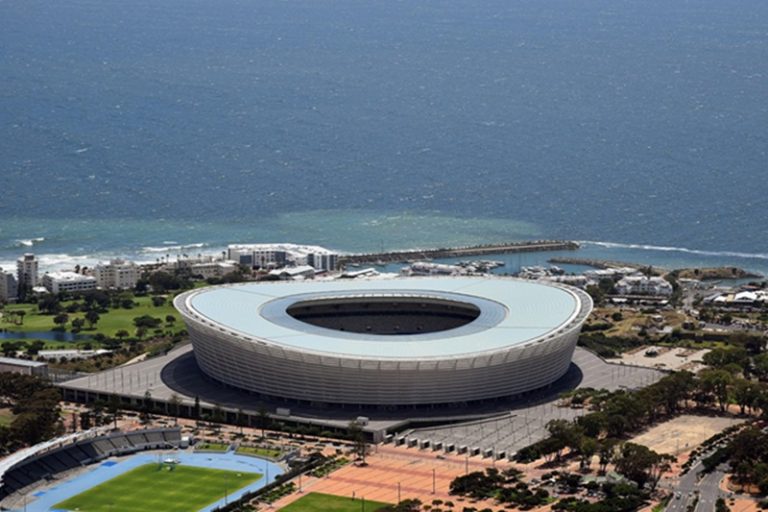
Sport is not just entertainment in South Africa. It’s part of the country’s history — a tool of resistance, a weapon of reconciliation, and an impenetrable well of pride. When Nelson Mandela emerged for the first time in 1995 on the rugby field dressed in a Springboks jersey, the nation realized what a ball, a whistle, and a crowd could do in healing and giving hope.
Whether it’s a cricket test series, a football derby, or an Olympic medal, all of South Africa’s finest sporting moments appear to have greater meaning. In a country founded on diversity and schooled in intricate history, the playing field quite often becomes the most genuine platform of oneness.
How It Shaped the Passion
In today’s digital age. Fans not only watch matches but also interact through live stats, sports betting, and video games. Sites like Melbet South Africa strengthen that connection further. The platform combines tradition with technology, and people are able to be part of global sporting culture from their own computer or phone.
In apartheid, sport was unequal and racially divided. Black South Africans were excluded from national teams, top leagues, and professional competition. And yet, in the townships and villages, sport still existed — on patchwork pitches, at neighborhood clubs, and with handmade gear improvised from what could be found.
These makeshift matches were not games. They lived acts of defiance, statements of identity, and declarations of collective pride when all else was withheld.
In the post-apartheid period, sport emerged as perhaps the most obvious means of providing a new, united South Africa. Politicians, artists, and civic leaders saw it as a common platform — a territory of national aspirations could be built upon talent, cohesiveness, and victory.
Where the Country Comes Together
Every one of South Africa’s big sports has a particular piece of national identity. Rugby, cricket, and football each have their own history in the country, and they still unite people together in stadiums and in attitude.
This is a snapshot of the cultural appeal of top sports:
| Sport | Symbolism | Iconic Moment |
| Rugby | Unity, resilience, transformation | The 1995 World Cup victory under Mandela |
| Football | Urban pride, youth expression, energy | Hosting the FIFA World Cup in 2010 |
| Cricket | Legacy, strategy, global connection | Reaching the 1998 ICC Champions Trophy final |
All three sports have brought with them to one another the “seekers of fellowship” across economic, racial, and geographical boundaries. Game day brings entire communities to a standstill, putting aside all they’re doing to support their national team or local heroes.
Moments That Moved a Nation
Years saw South Africa welcome sport to unite millions — in victory, yes, but in shared aspiration of advance and potential.
Here are some of those highlight moments:
- 1995 Rugby World Cup Victory
- 2010 FIFA World Cup
- Caster Semenya’s Olympic Rise
- Siya Kolisi’s 2019 Rugby Triumph
All of these occurrences contributed to cementing the notion that South African sport is not just physical exertion — it’s national motivation and emotional involvement.
Grassroots Energy and Township Dreams
While the national teams and professional leagues attract all the attention, the soul of South African sport is to be found in its suburbs. Township football clubs, rural cricket camps, and school sporting days are where the stars of the future are born, and communities unite.
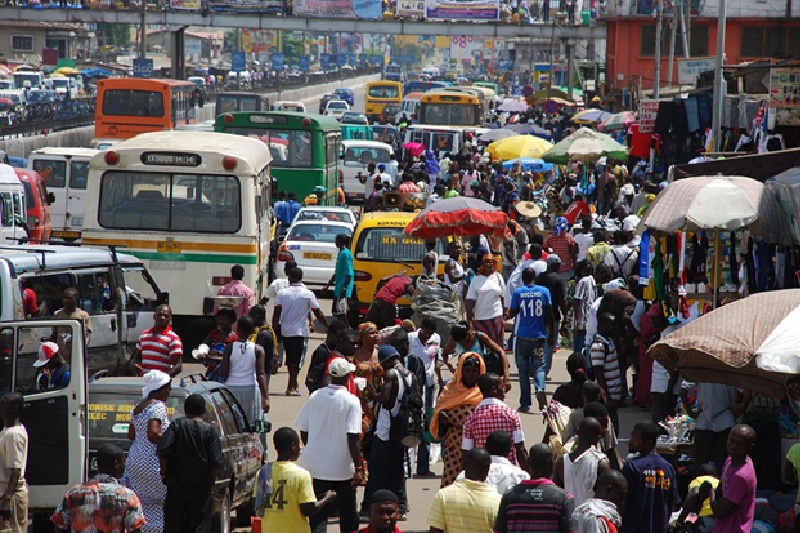
The government and NGOs still spend money on youth agendas, but it is local coaches and volunteers who most often engage young people. These programs do more than produce athletes. They also provide leadership, discipline, and pride.
The following is a brief list of how grassroots organizations create social cohesion in South Africa:
- Builds Safe Spaces for Youth: Sport provides order, mentoring, and constructive expression for young people from diverse communities.
- Fosters Cross-Cultural Collaboration: Various backgrounds learn to value and trust each other.
- Triggers the Support of the Community: Gathering games mobilize massive crowds, making everyone feel they belong to something and share in celebration.
- Creates Role Models: Successful young sportspersons are likely to become standards for the younger generation back home.
That is why sports continue to be an established tool for both individual change and residents’ pride, particularly for low-income communities.
More Than Medals: Sport as a Mirror
In South Africa, it is far from flawless. It remains hobbled by imbalances of resources, unaffordability, and the imperative for wider inclusion. And yet it remains a mirror, reflecting the nation is, and where it is capable of progressing.
The manner in which fans come out to support teams like Banyana or Proteas stars indicates a new appreciation for talent without the old restrictions. And though the singing in the stands is deafening, the behind-the-scenes work that no one sees — coaches, organizers, parents drives this camaraderie.
It is what makes sport in South Africa so distinct: the manner in which it displays the nation’s own personality: tough, optimistic, bright, and ready to confront its own contradictions. From the playground to the Olympic platform, it still creates new avenues for people to believe in themselves — and in a brighter future.
Unity Has a Jersey Number
In a nation still grappling with the past and shaping the future, sport yet has something deeply powerful to offer: common purpose. In victory and defeat, in laughter and tears, South Africans find commonality in one of the most inclusive forms of shared language they possess — competition, passion, and pride.