

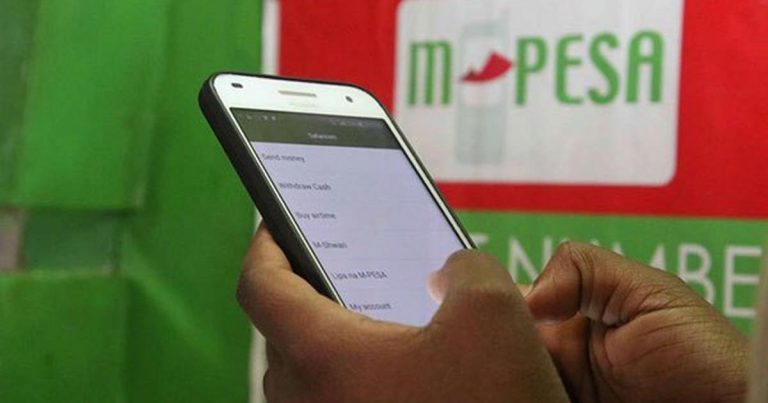
Sub-Saharan Africa has firmly established itself as the global epicenter of mobile money innovation and adoption, reshaping how millions access and use financial services. With the highest ownership rates in the world, the region is not only expanding financial inclusion but also redefining everyday financial behavior, from saving and payments to borrowing.
According to GSMA, “The State of the Industry Report on Mobile Money 2026”, Sub-Saharan Africa stood out as the global leader in mobile money adoption, with 40% of adults owning a mobile money account the highest rate worldwide. Notably, 20% of adults in the region rely solely on mobile money as their only financial account, underscoring its critical role in advancing financial inclusion.
Countries such as Kenya, Tanzania, and Uganda rank among the highest globally in mobile money ownership, offering valuable lessons for emerging markets like Comoros, Ethiopia, Mauritius, and Madagascar, where adoption is still developing or overall account ownership remains low.
Register for Tekedia Mini-MBA edition 20 (June 8 – Sept 5, 2026).
Register for Tekedia AI in Business Masterclass.
Join Tekedia Capital Syndicate and co-invest in great global startups.
Register for Tekedia AI Lab.
The growth in mobile money account ownership has also driven an increase in savings behavior across the region. In East Africa, an average of 56% of adults reported saving money, with 33% of all adults saving formally through financial accounts.
Among these, mobile money accounts have become the dominant tool for formal savings, surpassing traditional options such as banks, microfinance institutions, and credit unions, particularly in Kenya, Uganda, and Tanzania. Many others continue to save through informal or semi-formal methods, including savings groups.
Mobile money platforms offer a more accessible and convenient alternative to traditional banking. With a wider network of agents, users can deposit smaller amounts more frequently without incurring high transaction or travel costs.

In 2024, half of all adults in Kenya and Uganda saved using mobile money, while 34% of adults in Kenya and 40% in Uganda relied exclusively on mobile money accounts for their savings. In Tanzania, 23% of adults saved through mobile money.
Beyond savings, mobile money is increasingly expanding access to credit. Through direct lending or partnerships with financial institutions, mobile money providers offer short-term, low-value loans that are typically repaid within weeks.
In 2024, 7% of adults in Sub-Saharan Africa borrowed through mobile money accounts, unchanged from 2021. However, due to limited access to traditional credit, mobile money accounted for approximately 60% of all formal borrowing in the region.

In countries with high mobile money penetration, borrowing through these platforms is even more significant. In Kenya, 32% of adults accessed loans via mobile money providers, with 25% relying exclusively on this channel—representing 86% of all formal borrowers.
Similarly, in Uganda, 22% of adults borrowed through mobile money, with nearly all doing so exclusively. While overall formal borrowing levels remained relatively stable between 2021 and 2024, a growing share of borrowers shifted toward mobile money, as reliance on bank-only loans declined.
However, this trend is not consistent across all markets. In Tanzania, the proportion of adults borrowing via mobile money fell significantly, dropping from 11% in 2021 to 6% in 2024. The reasons behind these shifts remain unclear, whether driven by reduced lending from banks, increased collaboration between banks and mobile money providers, or changing consumer preferences toward more accessible, non-bank financial solutions.
Overall, Sub-Saharan Africa’s mobile money ecosystem continues to reshape how individuals save, borrow, and manage finances, reinforcing its position as a global benchmark for digital financial inclusion.