

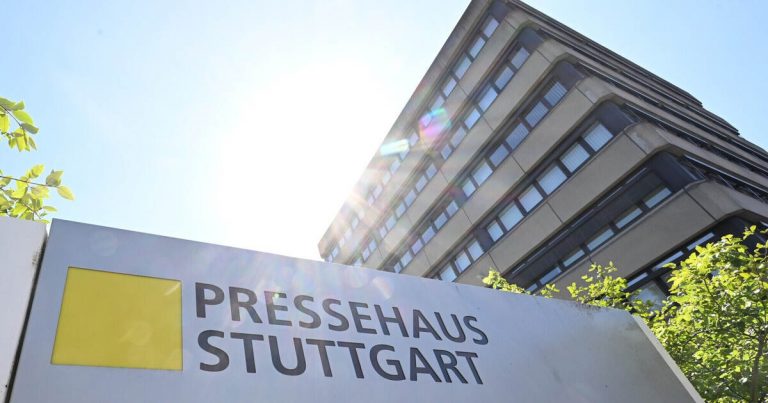
Südwestdeutsche Medienholding (SWMH), a major German media group that owns the influential daily Süddeutsche Zeitung, Stuttgarter Zeitung, and Stuttgarter Nachrichten, was targeted by a hacker attack described as a “critical IT security incident.” Unknown hackers briefly accessed the group’s internal network, affecting all connected companies. The breach was detected over the weekend of July 12-13, and SWMH quickly implemented security measures to stop the attack.
No significant disruptions to online reporting or newspaper production occurred, and all newspapers continued to publish as usual. The group is cooperating with law enforcement, the police cybercrime unit, and external IT security experts to investigate the incident and identify those responsible. While the exact motive and perpetrators remain unclear, Germany has seen a rise in cyberattacks, with some past incidents attributed to state-sponsored actors from Russia or China. SWMH employs around 4,500 people and is one of Germany’s largest newspaper publishers.
The need for alternative workflows and ongoing investigations by external IT security experts and law enforcement suggests increased operational costs. SWMH, with around 4,500 employees, may face financial strain to bolster IT infrastructure and prevent future breaches. As a major media group publishing influential titles like Süddeutsche Zeitung, SWMH’s reputation could be at risk if sensitive data (e.g., journalistic sources, employee information, or reader data) was compromised. Although no data breach details have been confirmed, the perception of vulnerability could erode trust among readers and business partners.
Register for Tekedia Mini-MBA edition 20 (June 8 – Sept 5, 2026).
Register for Tekedia AI in Business Masterclass.
Join Tekedia Capital Syndicate and co-invest in great global startups.
Register for Tekedia AI Lab.
Media outlets are critical to public discourse, and cyberattacks could be perceived as attempts to undermine journalistic integrity or influence reporting. The lack of clarity on the hackers’ motives (e.g., espionage, financial gain, or disruption) fuels speculation, potentially affecting SWMH’s standing as a trusted source. SWMH is working closely with the police cybercrime unit and external IT security experts to investigate the attack and identify perpetrators.
This collaboration underscores the seriousness of the incident and the need for specialized expertise to address cyber threats. However, it also highlights the resource-intensive nature of such investigations, which may divert attention from core business activities. The attack on SWMH reflects a growing trend of cyberattacks targeting Germany’s media industry, as seen in previous incidents like the 2015 Bundestag hack or attacks on research groups linked to Russian actors. The media sector’s reliance on digital infrastructure makes it a prime target for hackers, whether for espionage, disruption, or financial motives.
While this attack did not disrupt operations, future attacks could target critical systems like content management or distribution networks, potentially halting publication or spreading misinformation. This incident may prompt other media organizations to reassess their cybersecurity measures. The attack coincides with SWMH’s ongoing restructuring, including the sale of regional newspapers like Stuttgarter Zeitung and Schwarzwälder Bote to Neue Pressegesellschaft, approved by the Bundeskartellamt in June 2025.

The incident may also raise concerns among potential buyers or partners about the security of SWMH’s digital assets, potentially affecting the valuation or terms of the deal. The attack underscores a growing gap between the cybersecurity measures of even large organizations like SWMH and the increasing sophistication of cyberattacks. While SWMH quickly contained the breach, the fact that hackers gained access to the central network suggests vulnerabilities in their defenses.
Large media groups like SWMH, with significant resources and a broad portfolio, can absorb the costs of a cyberattack and maintain operations through workarounds. Smaller media outlets, however, may not have the financial or technical capacity to respond effectively to similar incidents. This divide could exacerbate consolidation in the media industry, as smaller players merge with or are acquired by larger groups to gain access to better infrastructure and security.
The SWMH restructuring, including the sale of regional titles, already points to such consolidation trends, potentially reducing diversity in the media landscape. The attack highlights the reliance of modern media on digital infrastructure, contrasting with traditional print operations that were less vulnerable to cyberattacks. While SWMH’s print and online operations were unaffected, the incident exposes the risks of interconnected digital systems across multiple publications.

Media companies must balance the benefits of digital transformation (e.g., efficiency, reach) with the risks of cyber vulnerabilities. This may lead to increased investment in secure digital workflows, but it could also widen the gap between digitally advanced publishers and those still reliant on legacy systems. The attack amplifies the divide between the public’s expectation of media as a reliable, secure institution and the reality of its vulnerability to cyber threats.
The timing of the attack, amid SWMH’s restructuring and the sale of regional titles, highlights tensions between corporate strategy and stakeholder interests. Minority shareholders have expressed frustration over being sidelined in the restructuring process, and the cyberattack adds another layer of uncertainty. The attack could intensify scrutiny of SWMH’s leadership and its handling of both cybersecurity and corporate governance. Employees, already affected by the restructuring, may face additional uncertainty if the attack leads to operational changes or cost-cutting measures to fund security upgrades.
The attack on SWMH is part of a broader wave of cyberattacks in Germany, affecting industries from media to public sector and healthcare. The attribution of some attacks to state-backed actors (e.g., Russia’s Snake or China’s Volt Typhoon) raises concerns about geopolitical motives, though no specific attribution has been confirmed for the SWMH incident. The approved sale of SWMH’s regional titles to Neue Pressegesellschaft, creating a dominant player in Baden-Württemberg’s newspaper market, could amplify the divide between large and small publishers.
The Bundeskartellamt’s approval, despite concerns about media concentration, suggests regulatory challenges in balancing competition and security. The incident may prompt Germany’s media industry to adopt stronger cybersecurity standards, potentially through collaboration with government agencies like the Cybersecurity and Infrastructure Security Agency (CISA) or private security firms. However, resource disparities could leave smaller outlets behind, deepening the divide.
The hacker attack on SWMH reveals critical implications for its operations, reputation, and the broader media landscape. While the group’s quick response mitigated immediate damage, the incident exposes divides in cybersecurity preparedness, resource disparities between large and small media outlets, reliance on digital systems, public trust, and corporate governance. As SWMH navigates its ongoing restructuring and the fallout from this attack, it will need to address these divides through enhanced security measures, transparent communication, and strategic alignment with stakeholder interests.