

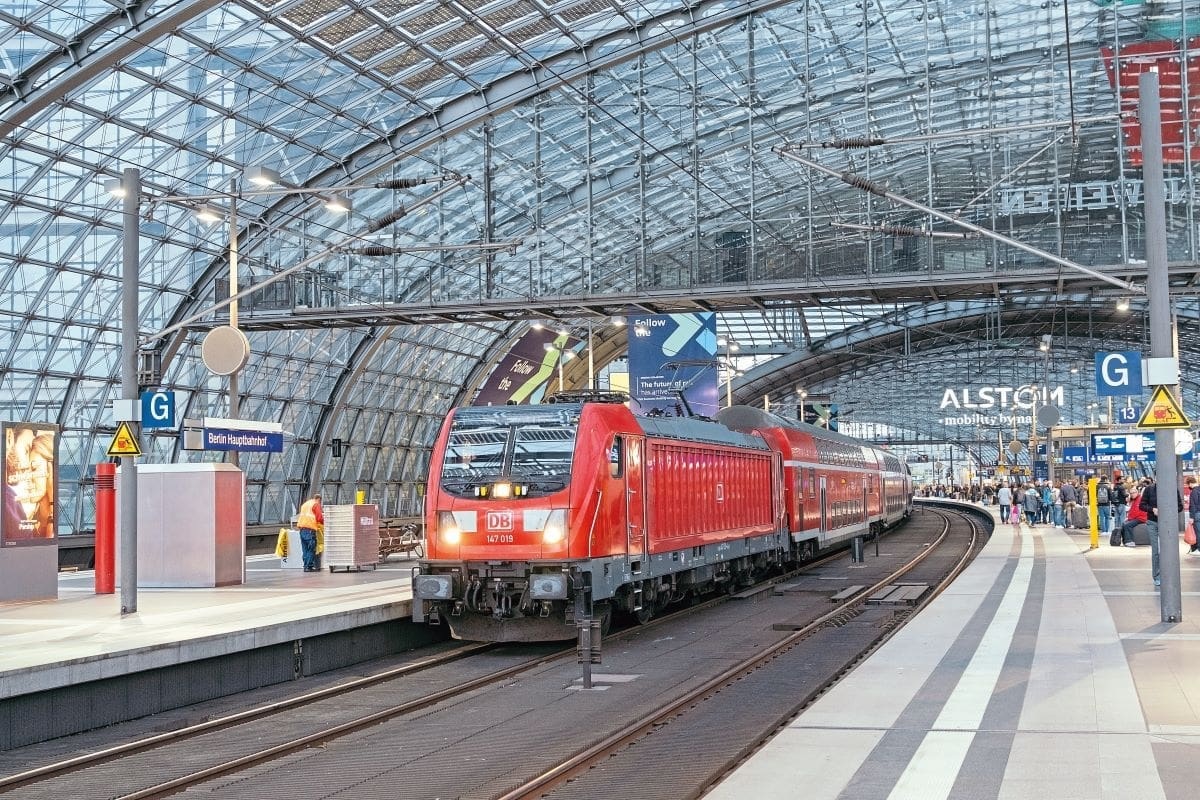
Germany’s rail sector is once again at the center of a major legal and political battle as disputes over market access and competition intensify. The conflict highlights a broader European debate over how essential infrastructure should be managed in an era where governments seek to encourage competition while preserving reliable public services.
At the heart of the dispute is Deutsche Bahn (DB), Germany’s state-owned railway giant, which controls much of the country’s rail infrastructure and remains the dominant operator in passenger and freight services.
Rival operators have increasingly accused DB of creating barriers that make it difficult for competitors to access tracks, stations, maintenance facilities, and scheduling opportunities on fair terms.
Private and regional rail companies argue that despite European Union reforms aimed at liberalizing railway markets, Germany’s system still heavily favors the incumbent operator.
Register for the next Tekedia Mini-MBA.
Register for Tekedia AI in Business Masterclass.
Join Tekedia Capital Syndicate and co-invest in great global startups.
They claim that the structure gives Deutsche Bahn an unfair advantage because the company simultaneously owns the infrastructure network and competes directly against other train operators. This dual role has long been criticized by competitors and regulators alike.
The legal fight comes at a critical time for European transportation policy. Rail travel is being promoted as a key pillar of the continent’s green transition. Governments are encouraging citizens and businesses to shift away from cars and short-haul flights toward more environmentally sustainable rail services.
Achieving this objective requires significant investment and a competitive environment that encourages innovation, efficiency, and lower prices. Rival operators contend that limited access to infrastructure undermines these goals.

They argue that greater competition could improve service quality, expand route options, and reduce ticket prices for passengers. Companies have pointed to examples in other European countries where liberalized rail markets have increased customer choice and stimulated investment in modern rolling stock and digital services.
Deutsche Bahn, rejects allegations of anti-competitive behavior. The company maintains that managing a complex national rail network requires centralized coordination and long-term investment planning.
It argues that infrastructure maintenance, network modernization, and scheduling complexities make complete separation between infrastructure management and train operations difficult.
DB emphasizes that it faces enormous financial pressures, including rising maintenance costs, aging infrastructure, and increasing demand for rail transport. The legal proceedings could have significant implications for Germany and the broader European Union.

If courts or regulators rule in favor of rival operators, Germany may face renewed pressure to further separate rail infrastructure management from train operations. Such reforms could fundamentally reshape the country’s transportation landscape.
Beyond legal considerations, the dispute also reflects growing concerns about Europe’s economic competitiveness. Efficient transportation networks are essential for industrial productivity, supply chain resilience, and regional integration.
Delays, congestion, and limited competition can hinder economic growth and reduce the attractiveness of rail transport for both passengers and freight customers.
The timing is particularly sensitive because Germany’s rail network has faced mounting criticism in recent years due to delays, infrastructure bottlenecks, and declining punctuality.
Many passengers have expressed frustration with service disruptions, while freight operators have warned that logistical inefficiencies are affecting business operations.
The legal battle over rival access to Germany’s rail system represents more than a corporate dispute. It is a test of how Europe balances public ownership, market competition, and environmental ambitions.
The outcome could influence future transport policies across the continent and determine whether rail networks can successfully meet the demands of a greener and more interconnected European economy.