

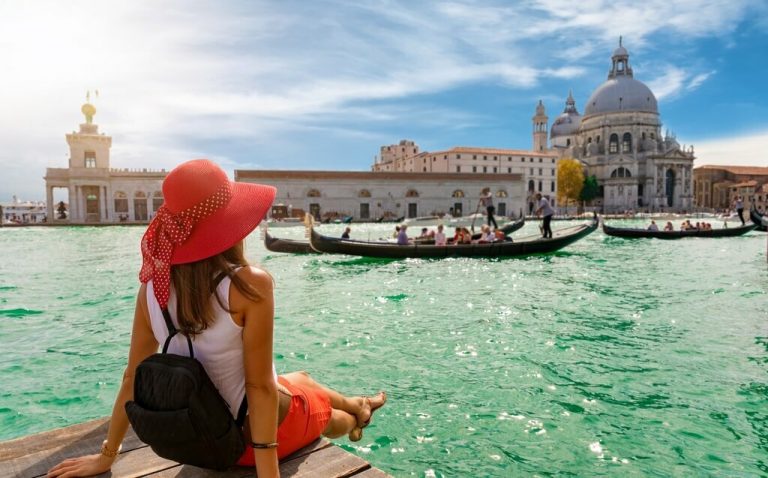
The global tourism industry has entered one of its strongest phases since the COVID-19 pandemic, with approximately 1.5 billion international tourist travellers recorded in 2025.
This remarkable recovery reflects the growing desire for international experiences, cultural exploration and leisure, alongside improvements in tourism infrastructure and destination development.
Despite the industry’s impressive momentum, significant challenges threaten its long-term success. Rising prices, workforce shortages and increasing pressure on local communities and natural resources highlight the need for a more resilient, inclusive and sustainable approach to tourism.
Register for the next Tekedia Mini-MBA.
Register for Tekedia AI in Business Masterclass.
Join Tekedia Capital Syndicate and co-invest in great global startups.
One of the most encouraging developments is the improvement in tourism development conditions across the world. According to the figures provided, 92% of 110 economies recorded improvements in their tourism development environments.
These advances suggest that countries are becoming better equipped to welcome visitors through investments in transport infrastructure, accommodation, digital services, safety and destination management.
Such progress can strengthen national economies by creating employment opportunities, attracting foreign exchange and supporting businesses ranging from airlines and hotels to restaurants, tour operators and local artisans.

Tourism plays an important role in connecting people and cultures. International travel allows visitors to experience different traditions, cuisines, languages and historical landmarks.
For developing economies, particularly those with rich cultural heritage and natural attractions, tourism offers opportunities to diversify economic activity beyond traditional industries.
When managed effectively, the sector can generate income for local communities while encouraging the preservation of historical sites, traditional crafts and important ecosystems. The industry’s recovery has exposed a growing competitiveness problem.

Three in four economies have reportedly become less price competitive, meaning that travelling to or within many destinations has become more expensive relative to alternatives.
Higher accommodation costs, transportation expenses, labour costs and other operating pressures can discourage visitors, particularly those travelling on limited budgets. Destinations that become too expensive risk losing tourists to more affordable competitors, undermining businesses that depend on steady visitor spending.
Price competitiveness should not be pursued through a race to the bottom. Governments and tourism operators must focus on delivering greater value rather than simply reducing prices.
Improving public transportation, simplifying booking systems, supporting small businesses and investing in efficient infrastructure can reduce operating costs while enhancing the visitor experience. Transparent pricing and a diverse range of accommodation and activities can also make destinations accessible to travellers with different budgets.
Workforce shortages present another serious obstacle. Hotels, restaurants, airlines and tourism attractions depend heavily on skilled workers to deliver quality services.
When staffing levels are inadequate, businesses may struggle with longer waiting times, inconsistent service and higher operational costs. Governments and private companies must therefore invest in vocational training, competitive wages, better working conditions and career development to attract and retain workers.
The environmental and social consequences of tourism require urgent attention. Excessive visitor numbers can strain water supplies, increase waste, damage fragile ecosystems and raise housing costs for residents.
Without effective planning, destinations may sacrifice the very attractions that make them appealing. Sustainable tourism policies should establish appropriate visitor limits where necessary, protect natural habitats, improve waste management and ensure that local communities benefit economically from tourism.
The future of global tourism will depend on how successfully the industry balances growth with responsibility. Record visitor numbers represent an important achievement, but they should not be the sole measure of success. Resilient destinations must prepare for economic uncertainty, environmental risks and changing traveller expectations.
By prioritising smarter destination management, workforce development, environmental protection and meaningful community participation, governments and businesses can transform tourism growth into lasting prosperity.
The next phase of tourism should not simply bring more visitors; it should create better experiences, stronger local economies and a healthier relationship between travellers, destinations and the people who call them home.