

Since late February 2026, following U.S. and Israeli military actions against Iran, Iran has effectively closed or severely restricted shipping through the Strait of Hormuz—a narrow chokepoint between the Persian Gulf and the Indian Ocean. Shipping traffic has dropped dramatically often near standstill, with attacks on vessels and insurance issues deterring transit, though limited Iranian-linked shipments sometimes continue.
The strait normally carries: – ~20-35% of global seaborne crude oil, ~20% of liquefied natural gas (LNG), 20-30%+ of internationally traded fertilizers especially nitrogen-based like urea and ammonia, plus phosphates. This stems from Gulf produce like Qatar, Iran, UAE being major exporters of both energy and fertilizers. Nitrogen fertilizers rely heavily on natural gas as a feedstock and energy source for production.
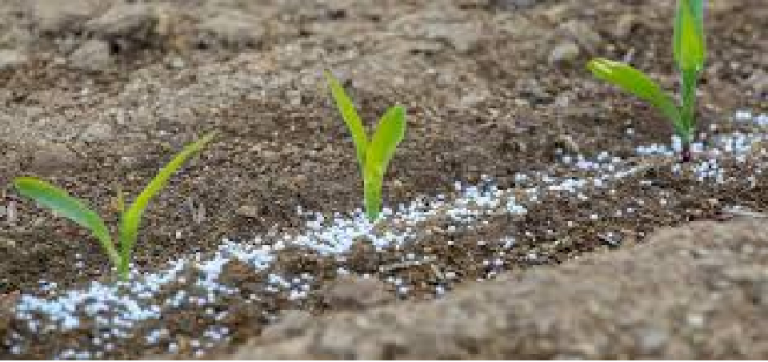
Two main channels amplify the risk: Fertilizer exports from the Gulf are bottled up. Ships laden with product sit idle, and rerouting is costly or impossible in the short term. This hits importers hard, especially in Asia, Africa, and parts of Latin America. The LNG shortfall drives up global natural gas prices. Since natural gas is the primary input for ammonia and urea production often >70% of costs, fertilizer manufacturing becomes more expensive worldwide—not just in the Gulf, but in Europe, India, and elsewhere where plants rely on imported LNG or compete for gas.
Higher fuel costs also inflate shipping, farming and processing expenses. FAO Chief Economist Máximo Torero and others have described this as a double shock to farmers: pricier inputs + uncertainty during key planting seasons. If prolonged (beyond a few months), reduced fertilizer application could lower crop yields for staples like wheat, corn, and rice, tightening global supplies and pushing food prices higher.
Register for the next Tekedia Mini-MBA.
Register for Tekedia AI in Business Masterclass.
Join Tekedia Capital Syndicate and co-invest in great global startups.
Recent estimates and warnings include: Fertilizer prices (urea, etc.) already up 15-28%+ in spots, with potential for more. Risks of grain price surges; analysts have flagged 6%+ potential in some cases. Broader food inflation of 12-18% by end-2026 in some projections if unresolved. Heightened acute food insecurity for up to tens of millions, especially in import-dependent low-income regions.
Vulnerable groups include smallholder farmers in developing countries and net food importers. U.S. and European farmers may face higher input costs but are somewhat more insulated by domestic production alternatives; however, global ripple effects via trade and energy still matter. Transport and logistics costs add another layer, as higher bunker fuel prices raise the expense of moving food itself.
The strait remains largely closed or chaotic, with brief optimistic windows quickly reversing due to ongoing tensions, blockades, and security risks. Oil and gas prices have spiked and remain volatile. Traders at events like the FT Commodities Summit describe the situation as on borrowed time, warning that competing sectors (industry, power) may outbid agriculture for scarce gas and logistics.

Global food stocks provide some buffer for now, but a multi-month disruption could trigger more severe effects, echoing but potentially compounding past shocks like the 2022 Ukraine-related fertilizer crisis. This is part of wider geopolitical fallout from the Iran conflict, affecting energy markets first and foremost. Secondary effects on food are real but lagged—yield impacts from this planting season would hit harvests later in 2026 and into 2027.
Not every region feels it equally; drought, policy responses (subsidies, alternative sourcing), and substitution could mitigate or worsen outcomes. The warnings are serious and grounded in supply-chain realities, but outcomes depend heavily on how quickly the strait reopens or alternative routes and supplies scale up. Markets are pricing in risk, and organizations like UNCTAD and the World Bank continue monitoring for inflationary and humanitarian spillovers.
In short, yes—the disruption is squeezing fertilizer economics and raising legitimate alarms about global food security, particularly if the conflict drags on.
