

The probability of a Federal Reserve interest rate cut in September 2025 has recently surged, with estimates based on CME Group data indicating a likelihood of over 71%. This increase in odds aligns with market sentiment reflected on platforms like Polymarket, where traders have shown strong confidence in a potential rate cut, with probabilities reaching as high as 85% according to some posts on X. The anticipation of a rate cut is driven by factors such as cooling inflation and expectations of looser monetary policy, which could stimulate economic activity.
However, the Fed’s decision remains data-dependent, and uncertainties like potential tariff impacts under President Trump’s policies could influence the outcome. A rate cut, if implemented, is generally viewed as bullish for risk assets like cryptocurrencies, as lower borrowing costs often encourage investment in speculative markets.
Jerome Powell’s Statement on Crypto Activities
Register for Tekedia Mini-MBA edition 20 (June 8 – Sept 5, 2026).
Register for Tekedia AI in Business Masterclass.
Join Tekedia Capital Syndicate and co-invest in great global startups.
Register for Tekedia AI Lab.
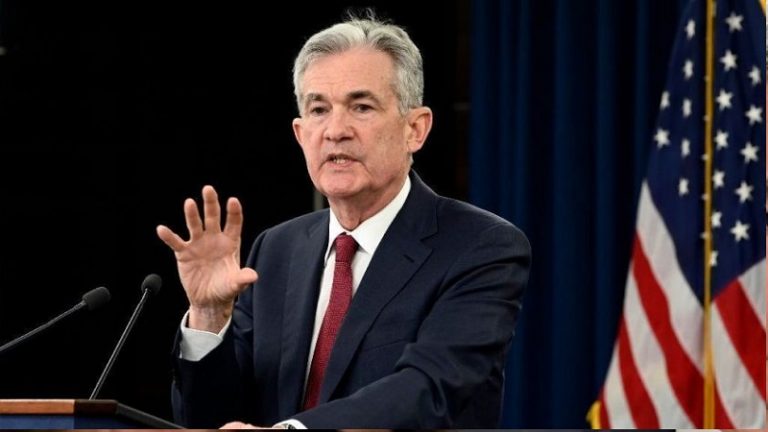
Federal Reserve Chair Jerome Powell stated that U.S. banks are free to engage in crypto activities, signaling a permissive stance toward their involvement in the cryptocurrency sector. This follows earlier comments in February 2025, where Powell indicated the Fed would not obstruct banks from serving legal crypto customers, and it builds on a December 2024 statement clarifying that the Fed has no intention of holding Bitcoin itself.
This green light allows banks to offer services like spot crypto ETFs and potentially other crypto-related products, marking a significant step toward integrating digital assets into traditional banking. The crypto market has responded positively to this news, with increased optimism among investors, as it could enhance liquidity and mainstream adoption. However, challenges persist, such as difficulties for crypto-related businesses in accessing banking services and regulatory hurdles for institutions like Custodia Bank.
Powell’s pro-crypto stance and the rising odds of a September rate cut could create a synergistic effect for cryptocurrency markets. A rate cut would increase liquidity, making it cheaper for investors and institutions to borrow and invest in riskier assets like Bitcoin and altcoins. Simultaneously, allowing banks to conduct crypto activities could facilitate greater institutional participation, such as through custody services or ETF offerings, further driving capital inflows.

Posts on X highlight this combined optimism, noting Powell’s crypto-friendly comments alongside rate cut expectations as a “quiet storm” building for the market. However, risks remain, including potential inflation from tariffs and regulatory uncertainties that could temper the bullish outlook. Investors should conduct their own research, as market reactions to rate cuts and crypto banking integration can be volatile and unpredictable.
A rate cut lowers borrowing costs, encouraging investment in riskier assets like stocks, cryptocurrencies, and other speculative investments. This could drive up prices in equity and crypto markets as investors seek higher returns. Cryptocurrencies, particularly Bitcoin, often benefit from looser monetary policy, as seen in historical cycles where low rates correlate with bullish crypto markets. Lower interest rates could stimulate economic activity by reducing the cost of loans for businesses and consumers, potentially boosting spending and investment.
However, this could also reignite inflationary pressures, especially if combined with external factors like tariffs, which might complicate the Fed’s efforts to maintain price stability. While markets currently price in a high probability (over 71% per CME Group data) of a rate cut, any deviation from expectations (e.g., no cut or a smaller cut) could lead to significant volatility in stocks, bonds, and crypto.

A U.S. rate cut could weaken the dollar, making dollar-denominated assets like Bitcoin more attractive to international investors. This could further fuel crypto market growth. Emerging markets may face challenges, as lower U.S. rates could lead to capital outflows from those regions, affecting their currencies and economies. Allowing banks to engage in crypto activities, such as offering custody services, spot crypto ETFs, or other financial products, could bring significant institutional capital into the crypto market. This would enhance liquidity and potentially stabilize prices over time.
Major banks entering the crypto space could legitimize digital assets further, attracting conservative investors who previously avoided the sector due to regulatory uncertainty. Powell’s statement could ease longstanding challenges for crypto businesses, such as difficulty obtaining banking services. Greater access to traditional banking could streamline operations for exchanges, custodians, and other crypto entities. However, cases like Custodia Bank’s ongoing regulatory struggles suggest that implementation may face hurdles, as regulatory clarity is still evolving.
Powell’s permissive stance has already boosted crypto market sentiment, as seen in positive reactions on X and rising prices following his June 24, 2025, comments. This could drive short-term price increases for major cryptocurrencies like Bitcoin and Ethereum. Long-term, broader banking involvement could reduce crypto’s volatility by integrating it into mainstream finance, though speculative bubbles remain a risk.
While Powell’s comments signal openness, banks will still need to navigate complex regulations, such as anti-money laundering (AML) and know-your-customer (KYC) requirements, to engage in crypto activities safely. The Fed’s clarification that it won’t hold Bitcoin itself limits direct central bank involvement, potentially capping the extent of institutional integration in the near term. A rate cut and increased bank participation in crypto could create a powerful bullish catalyst for digital assets. Lower rates would provide cheaper capital, while bank involvement would open new investment channels, potentially driving significant capital inflows.
The combination of loose monetary policy and crypto market enthusiasm could lead to speculative excesses, increasing the risk of asset bubbles. Investors should remain cautious, as rapid price increases often precede corrections. External factors, such as inflation from proposed tariffs under President Trump’s policies, could complicate the Fed’s strategy and affect both traditional and crypto markets.
Banks offering crypto services could bridge traditional finance and decentralized finance (DeFi), fostering innovation in financial products but also raising concerns about systemic risks if crypto market volatility spills over into banking. This integration could accelerate the adoption of blockchain technology in traditional finance, potentially transforming payment systems, custody solutions, and more.
While the outlook appears positive, regulatory uncertainty and macroeconomic risks (e.g., inflation, geopolitical tensions) could temper the benefits. Investors and institutions should conduct thorough research and risk assessments before diving into crypto markets. The Fed’s data-dependent approach means that any unexpected economic indicators could shift the likelihood of a rate cut, impacting market expectations.
The rising odds of a September 2025 rate cut and Powell’s crypto-friendly stance could significantly boost the cryptocurrency sector by increasing liquidity, encouraging institutional participation, and enhancing market sentiment. However, risks such as inflation, regulatory hurdles, and market volatility remain.