

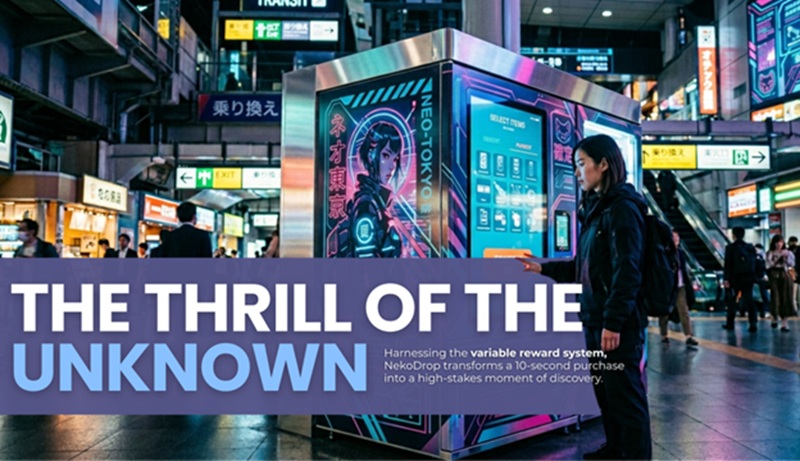
The retail landscape of 2026 has moved far beyond the simple exchange of currency for goods. We have entered an era where the transaction itself must provide a dopamine hit, a narrative, and a shareable moment. As traditional brick-and-mortar stores struggle to compete with the sheer efficiency of e-commerce, a new victor has emerged in the physical space: the “Surprise and Delight” retail model. This strategy leverages the “Mystery Box” economy, transforming the act of buying into a high-stakes game of chance and discovery. For entrepreneurs looking to tap into this high-growth sector, the installation of NekoDrop vending machines is a positive way to engage a modern consumer base that values the thrill of the unknown over the certainty of a standard purchase. By moving away from transparent glass displays and toward opaque, artistic packaging, these machines utilize sophisticated psychological triggers to turn casual passersby into dedicated repeat customers.
The Science of the Variable Reward System
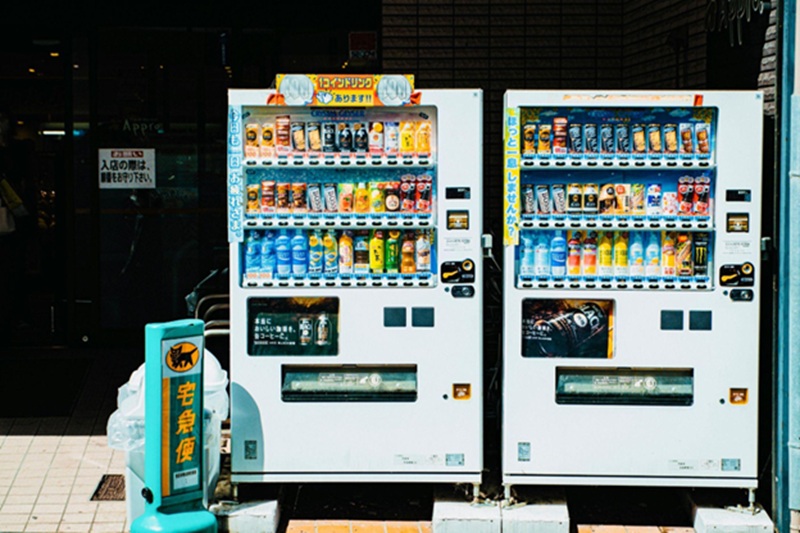
At the core of the mystery box success is a psychological principle known as the “variable reward” system. This is the same neurological mechanism that keeps users scrolling through social media feeds for hours or playing games of chance. When the outcome of an action is uncertain, the brain’s ventral striatum releases a higher concentration of dopamine than when the reward is predictable. In a traditional vending scenario, you press a button for a specific snack, and you receive that snack; the loop is closed and the excitement is minimal.
In the NekoDrop model, however, the loop remains open until the very moment of unboxing. The “Surprise and Delight” comes from the gap between the purchase and the reveal. Because the consumer might receive a common item, a rare variant, or an ultra-rare “secret” figure, the anticipation builds a physiological tension that is only resolved once the seal is broken. This creates a powerful feedback loop. The “hit” of dopamine during the reveal becomes associated with the machine itself, driving the consumer to return for “one more try” in hopes of completing a set or finding a high-value collectible.
The 2026 Rise of “Kidulting”: A Multi-Billion Dollar Shift
One of the most significant demographic shifts in 2026 is the total mainstreaming of “Kidulting.” This term refers to adults, primarily aged 18 to 40, who actively purchase products traditionally categorized as toys—such as action figures, plushies, and designer vinyl toys. Far from being a niche hobby, Kidulting has become a multi-billion dollar pillar of the global economy. For this demographic, these high-quality collectibles serve as a vital form of stress relief and a tangible connection to the nostalgia of their youth.
Market research indicates that Gen Z and Millennials are leading this charge, viewing collectibles not as “playthings” but as aesthetic assets and emotional anchors. In an increasingly digital and volatile world, owning a physical, high-craft item provides a sense of permanence and joy. The mystery box format fits perfectly into this lifestyle. It offers a low-cost entry point into “designer art” collecting. Instead of spending hundreds of dollars on a large-scale sculpture, a consumer can spend a fraction of that on a blind box, receiving a meticulously designed character that fits on a desk or a bookshelf. This accessibility, combined with the “hunt” for specific characters, makes the model incredibly “sticky” for adult consumers.
Turning a 10-Second Purchase into a Global Event
In 2026, a product is only as successful as its “virality potential.” The mystery-based model is uniquely suited for the social media age because it is natively designed for video content. On platforms like TikTok and Instagram, the “unboxing” genre has evolved into a massive cultural phenomenon. A 10-second transaction at a vending machine is no longer a private moment; it is the beginning of a digital story.
When a customer uses a NekoDrop machine, they aren’t just buying a toy; they are buying content. The “reveal” is filmed, often with the creator expressing genuine surprise or excitement as they uncover a rare item. These videos generate millions of views, creating a secondary “fear of missing out” (FOMO) among viewers. This organic marketing is more effective than any traditional advertising campaign because it is rooted in authentic human emotion. The mystery box format essentially crowdsources a brand’s marketing, as every customer becomes a potential influencer who shares the “Surprise and Delight” experience with their own followers.
The Aesthetics of Mystery: Opaque Packaging and Branding
The physical design of the NekoDrop experience is a masterclass in modern branding. Unlike traditional machines that rely on the product being seen to be sold, these machines rely on the packaging to sell the dream. Each series features a distinct aesthetic theme—ranging from “Cyberpunk Cats” to “Neo-Tokyo Spirits”—and the boxes themselves are often treated as collectible items.
The artwork on the exterior of the machine and the boxes serves as a visual hook. It promises a specific “vibe” while keeping the exact contents a secret. This “curated mystery” ensures that even if a customer doesn’t get the specific “chase” figure they were looking for, they still receive a high-quality item that fits the aesthetic they admire. By maintaining a high standard of artistic integrity across all possible outcomes, the brand ensures that the “delight” part of the model is always fulfilled, even when the “surprise” isn’t exactly what the collector hoped for.
Gamification and the “Collector’s Itch”
NekoDrop takes the mystery box model a step further by incorporating elements of gamification. By releasing products in “series” or “seasons,” they trigger the “collector’s itch”—the psychological desire to complete a set. Each series usually includes 6 to 12 regular designs and one “secret” design with much lower odds of appearance.
This scarcity creates a secondary market where collectors trade or sell duplicates to acquire the ones they are missing. The vending machine acts as the primary source for this ecosystem. For retail psychologists, this is a perfect example of “sunk cost” and “endowment effect” at play. Once a consumer has three out of six figures in a set, the psychological pressure to find the remaining three increases exponentially. They are no longer just buying a toy; they are “completing a mission.” This ensures that the machines maintain a high level of turnover as collectors return repeatedly to finish their collections.
The “Micro-Escapism” of Automated Retail
In a fast-paced urban environment, the NekoDrop machine offers a form of “micro-escapism.” It provides a brief, two-minute window of pure entertainment in the middle of a commute, a lunch break, or a shopping trip. For the busy 2026 professional, this is a manageable and affordable way to decompress.
This convenience is a key factor in why the “Mystery Box” economy is winning the vending wars. Traditional retail requires navigating a store, interacting with staff, and making a series of decisions. Automated mystery retail removes the “decision fatigue.” The consumer only has to choose the series they like; the machine takes care of the rest. This streamlined, low-friction experience is highly addictive. It provides a maximal emotional return for a minimal investment of time and mental energy.
Nostalgia and the Modern Emotional Connection
While the technology and the social media aspect of the model are modern, the emotional core is deeply nostalgic. Many adults in the 18 to 40 demographic grew up with “gashapon” machines or trading cards. The mystery box is a premium, adult-oriented evolution of that experience. It taps into the childhood joy of a “blind” purchase but elevates it with high-end materials, sophisticated character design, and a sense of community.
This emotional connection is what makes the “Kidulting” trend so resilient. Even during economic fluctuations, consumers are often unwilling to give up the small luxuries that provide them with emotional comfort. The NekoDrop model understands that it isn’t just selling plastic or vinyl; it is selling a moment of childhood wonder repackaged for an adult sensibility. This is why the model is so effective at building brand loyalty. The consumer doesn’t just like the product; they value the feeling the brand provides.
Strategic Placement for the “Mystery” Destination
Retail strategists have noted that these machines perform best in “high-vibe” locations—places where people are already in a state of leisure or exploration. This includes modern shopping malls, cinema foyers, “kidult” hobby shops, and transit hubs. In these environments, the machine stands out as a destination in itself.
The aesthetic of the machine acts as a landmark. It signals that this is a place for “discovery.” By placing these units in areas with high foot traffic from the target demographic, operators can ensure a constant stream of “unboxing” events. Each purchase serves as a live advertisement to anyone standing nearby, as the sound of the box dropping and the subsequent reveal often draw a small crowd of curious onlookers. This “social proof” is a powerful driver of additional sales, as people are naturally inclined to see what the excitement is about.
The Future of the Mystery Box Economy
As we look toward the end of the decade, the “Mystery Box” economy shows no signs of slowing down. We can expect to see even more integration with augmented reality (AR), where scanning the box reveals digital animations or exclusive “metaverse” versions of the collectible. However, the physical “unboxing” will always remain the centerpiece of the model.
The tactile sensation of opening a box, the smell of the new material, and the visual reveal are sensory experiences that digital alternatives cannot replace. NekoDrop has mastered this sensory journey, ensuring that every touchpoint—from the touchscreen interface to the delivery of the box—is designed to maximize the “Surprise and Delight” factor. This is the future of retail: a world where products are secondary to the experiences they provide and the emotions they evoke.
Conclusion: Why the Mystery Model Wins
The success of the mystery-based vending model in 2026 is a perfect storm of consumer psychology, social media trends, and demographic shifts. By leveraging the variable reward system, NekoDrop has created a retail experience that is as addictive as a social media feed and as rewarding as a childhood game.
For the aspiring entrepreneur or the marketing strategist, the lesson is clear: in the modern world, certainty is boring. People want to be surprised. They want to be delighted. They want a reason to share their lives with their digital communities. By turning a simple purchase into an event, mystery-based vending machines have redefined what it means to go shopping. They have proven that in the “Vending Wars,” the winner isn’t the one who offers the most choices, but the one who offers the most excitement. The “Unboxing Effect” is here to stay, and it is changing the way we think about consumers, one mystery box at a time. Through the lens of Kidulting and the shared experience of unboxing, NekoDrop is not just selling toys; it is facilitating a global culture of joy and discovery that fits right in the palm of your hand.