

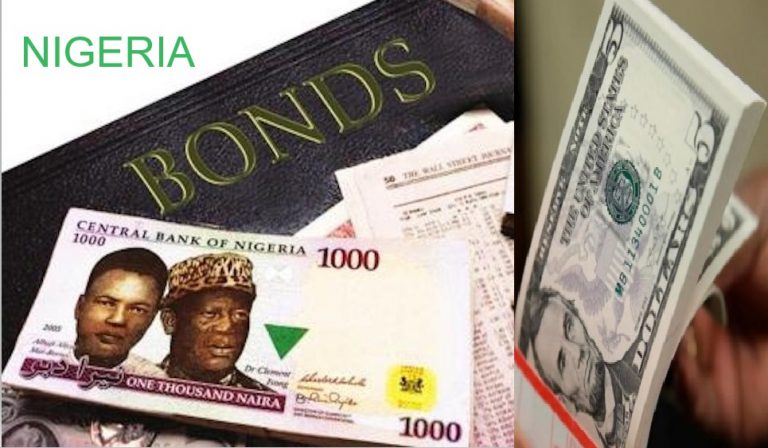
President Bola Tinubu has granted anticipatory approval for a N4 trillion bond programme to address Nigeria’s long-standing electricity sector liquidity crisis.
The move is aimed at rescuing power generation companies (GenCos), which have been crippled by massive debts owed by the Federal Government over the years.
This decision was confirmed by the Special Adviser to the President on Energy, Olu Verheijen, after a high-level meeting between the President and key GenCo stakeholders at the Presidential Villa in Abuja. The gathering, led by former Niger State Governor Col. Sani Bello (rtd), included representatives from the Association of Power Generation Companies and top government officials.
Register for Tekedia Mini-MBA edition 20 (June 8 – Sept 5, 2026).
Register for Tekedia AI in Business Masterclass.
Join Tekedia Capital Syndicate and co-invest in great global startups.
Register for Tekedia AI Lab.
According to Verheijen, the bond programme follows an extensive audit of GenCo claims, which amount to N4 trillion in unpaid tariffs and market shortfalls accumulated since 2015. She explained that the Nigerian Bulk Electricity Trading Company (NBET) has so far verified N1.8 trillion of these claims, with final figures still under review and subject to downward revisions before the Debt Management Office (DMO) proceeds with issuance.
President Tinubu acknowledged that the sector’s crisis stems from a backlog of inherited liabilities from previous administrations. He pledged a transparent, fair, and deliberate approach to settling the verified debts.
“I accept the assets and liabilities of my predecessors, and there is no question about that. But that acceptance must be on credible grounds. I need to wear the audit cap of verifiability, authenticity, and the fact that this inheritance is not a mere deodorant but a support structure for critical economic and industrial promotion,” he said.

He called on the GenCos and financial institutions to exercise patience and avoid pushing for foreclosures while the verification process continues.
“We are here. So market it to your other colleagues. Give us time to do verification and validation of the numbers,” Tinubu added.
The President reaffirmed his belief in a market-driven electricity sector and cited recent government reforms, including the removal of fuel subsidies and the introduction of Compressed Natural Gas (CNG), as efforts to shift toward sustainable energy relief for Nigerians. He described electricity as one of the most transformative discoveries in human history, saying, “Access to electricity is fundamental to economic growth and human dignity.”

Minister of Power Adebayo Adelabu lauded Tinubu’s intervention, noting that his administration has taken historic steps to reform the sector. These include the signing of the Electricity Act, 2023—which decentralizes power generation and distribution—and the launch of Nigeria’s first Integrated National Electricity Policy in over two decades. He also highlighted the inflow of over $2 billion in new private investments and a 70 percent increase in the sector’s annual revenue, which grew from N1 trillion in 2023 to N1.7 trillion in 2024. That revenue surge has reportedly helped reduce government subsidy obligations by over N700 billion.
Adelabu also cited improvements in operational metrics: installed generation capacity has risen from 13,000 MW to 14,000 MW; a record daily energy delivery of 120,370 MWh was achieved on March 4, 2025; and there have been no national grid collapses in 2025, thanks to the Presidential Power Initiative. The government has also launched a N700 billion Presidential Metering Initiative and leveraged the World Bank-backed DISREP programme to deliver 300,000 out of 3.45 million procured smart meters to homes and businesses.
Despite the upbeat tone from the presidency and sector leaders, many Nigerians have expressed skepticism, describing the N4 trillion bond approval as yet another fruitless spending spree in a chronically underperforming sector.
Many point to previous multitrillion-naira interventions that failed to yield tangible improvements in electricity supply. Between 1999 and 2010, the Nigerian government reportedly spent over N4.7 trillion on the power sector. A separate N1.7 trillion was also expended between 2018 and 2020. Yet, power supply remains erratic, with frequent outages and limited access still plaguing millions across the country.
It is believed that unless systemic corruption, mismanagement, and regulatory dysfunction are addressed head-on, fresh funds—no matter how large—will only add to Nigeria’s growing debt burden without solving the sector’s fundamental problems.