

Electricity powers modern civilization – it fuels factories, lights homes, enables fintechs, keeps cold chains alive, and connects cities to commerce. In the orchestration of national development, energy is the conductor. And in Nigeria, the city of Lagos is the stage where the most critical acts of commerce are played. From the ports of Apapa to the skyscrapers of Victoria Island, from the high-density residential estates of Lekki to the business clusters of Marina, Lagos remains Nigeria’s economic heartbeat.
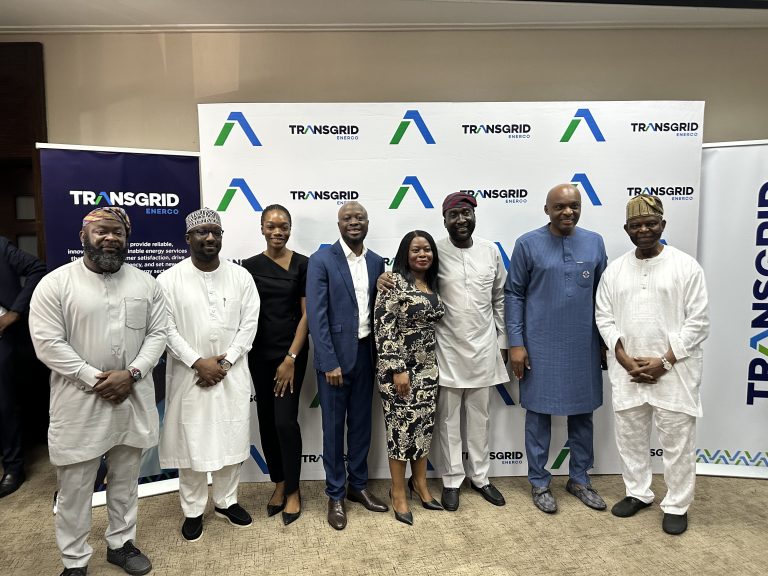
Whoever supplies power to Lagos controls the flow of oxygen to Nigeria’s economy. That is why the emergence of Transgrid Enerco, a new private-sector-led consortium preparing to take over the Eko Electricity Distribution Company (EKEDC), deserves national attention.
This is not just another corporate reshuffling or privatization story. It is a shift in how we imagine the delivery, management, and sustainability of electricity in a country long haunted by power sector inefficiencies. Transgrid Enerco is positioning itself not only as a utility operator—but as a transformational enterprise. And that matters, for what happens in Lagos sets the tone for what is possible across Nigeria.
The Power of Lagos: Why EKEDC Is a Strategic Asset
EKEDC is not a typical utility zone. It covers southern Lagos and parts of Ogun State, including economic clusters like Lagos Island, Lekki, Victoria Island, Apapa, and Ibeju-Lekki. These are hubs of finance, logistics, real estate, tourism, and digital innovation. Within this belt are ports, embassies, fintech startups, multinational HQs, and luxury estates.
Yet, beneath the affluence and industry lies a painful contradiction—unreliable electricity supply in Nigeria’s most vital economic zones.
The implication is profound: energy deficits in Lagos mean economic stagnation for the entire nation. A transaction delay in Apapa ripples through the national supply chain. A data center outage on Victoria Island compromises financial services. A lack of reliable power in Lekki disrupts production in industrial parks.
Hence, the need for a capable and innovative energy distributor in this region is not just a commercial necessity—it is an economic imperative for Nigeria.
Who Is Transgrid Enerco?
Transgrid Enerco is a partnership between:
- Axxela Limited – A West African gas distribution leader;
- North South Power – A major hydroelectric power generation company in Nigeria; and
- Stanbic IBTC Infrastructure Fund – The country’s largest infrastructure-focused investment vehicle.
Together, they bring a rare mix of technical, operational, and financial expertise to tackle the complex problem of power distribution in Nigeria.
This isn’t a group of rookies entering the market with theory; it is a calculated assembly of institutions with track records in energy finance, distribution logistics, and power generation. Their acquisition of a 60% equity stake in EKEDC marks a historic market-driven reform in the power sector, setting a new precedent for energy investment and management.
The Right Business Model: From Collection to Customer Trust
For years, electricity distribution companies in Nigeria have struggled with a toxic mix of high losses, low collection efficiency, and customer distrust. In many communities, estimated billing remains the norm. In others, prepaid meters are available but poorly managed. The result is a vicious cycle of underinvestment, vandalism, and apathy.
Transgrid Enerco plans to break this cycle through a business model centered on payment transparency, customer segmentation, and data-driven service delivery.
Key Strategic Anchors Include:
- Smart Metering and Analytics – Leveraging data to ensure accurate billing and predict faults before they happen. This reduces losses and builds consumer trust.
- Customer Segmentation – Different customers have different needs. A banking district requires a different SLA (service-level agreement) than a low-income residential estate. Transgrid plans to deliver tailored service levels to each segment.
- Technology-Driven Revenue Assurance – From tamper-proof meters to mobile bill payment platforms, technology will be used to plug leakages and improve cash flow reliability.
- Digital Channels for Engagement – Customers want to interact with their utility providers the way they interact with banks—via mobile apps, WhatsApp bots, and real-time dashboards. Transgrid aims to meet this expectation.
- Community-Based Anti-Theft Campaigns – Rather than just policing theft, Transgrid will educate and engage communities, showing them how electricity theft drains infrastructure and worsens outages for everyone.
This is a modern approach to a persistent problem. It recognizes that power delivery is not just about electrons—it is about trust, accountability, and convenience.
Infrastructure Renewal and Workforce Reform
A distribution company is only as strong as its infrastructure and workforce.
Transgrid Enerco plans to invest significantly in feeder lines, transformers, substations, and grid modernization. The goal is to minimize technical losses, reduce faults, and ensure consistent delivery even under rising demand.
Beyond equipment, the consortium is also focused on reforming the operational culture of the workforce:
- Employees will operate under clear Key Performance Indicators (KPIs).
- Service training and technical retraining will be standard.
- A performance-oriented culture will replace the legacy of bureaucratic inertia.
In essence, they want to rebuild not just the wires—but the people and processes behind the wires.
The Innovation Playbook: What’s New in the Market?
Innovation is central to Transgrid Enerco’s offering. While many focus only on plugging leakages and collecting revenue, this consortium wants to reimagine how power is delivered, monitored, and paid for in a digital age.
Here are some of the innovations being introduced:
- Real-Time Monitoring Systems: These tools will allow both customers and internal teams to track outages, consumption trends, and payment histories in real time.
- AI-Driven Fault Detection: Predictive algorithms will be deployed to preempt transformer failures, line faults, and overloads—reducing downtime.
- Prepaid Meter Ecosystems with Mobile Top-Ups: Customers will no longer queue at vendor shops. Bill settlement will be embedded into banking apps, telco platforms, and fintech wallets.
- API Access for Industrial Clients: Large energy consumers can plug into energy dashboards via APIs, helping them optimize operations and reduce costs.
- Green Energy Integration: While EKEDC is a distribution company, Transgrid’s broader ecosystem—especially with North South Power and Axxela—creates opportunities to blend in gas and renewable sources for future distributed generation projects.
- Blockchain-Lite Transparency Layers: Though not full blockchain deployment, ledgers will be implemented to track transactions, complaints, and payments in a tamper-evident format.
All these underscores one idea: Transgrid Enerco is not just distributing electricity; it is distributing intelligence.
Why This Matters for Nigeria
Electricity reform in Nigeria has suffered from over-promising and under-delivering. Consumers are jaded, investors are skeptical, and policymakers are often reactive. But every now and then, a window opens—a credible investor group emerges, a strong asset is at stake, and there is sufficient public goodwill for reform.
That is what this moment represents.
If Transgrid Enerco succeeds in Lagos, it will offer a credible model for other discos nationwide. More importantly, it will show that:
- The private sector can reform legacy institutions.
- Technology can be used to create inclusive, accountable utility systems.
- Energy distribution in Nigeria can be viable—both commercially and socially.
Wishing Them Well: A National Project in Corporate Hands
In Tekedia, we believe that markets are the most efficient tools for allocating resources and delivering progress. But markets alone are not enough. What is required is execution, integrity, and innovation—the very elements Transgrid Enerco has pledged.
So, we watch, as a country, hopeful and alert. This isn’t just about electricity in Lagos. It’s about proving that Nigeria can get energy right, starting from its commercial capital.
If Lagos gets power, Nigeria gets a new chance.
Let us wish them well.
---
Connect via my
LinkedIn |
Facebook |
X |
TikTok |
Instagram |
YouTube