

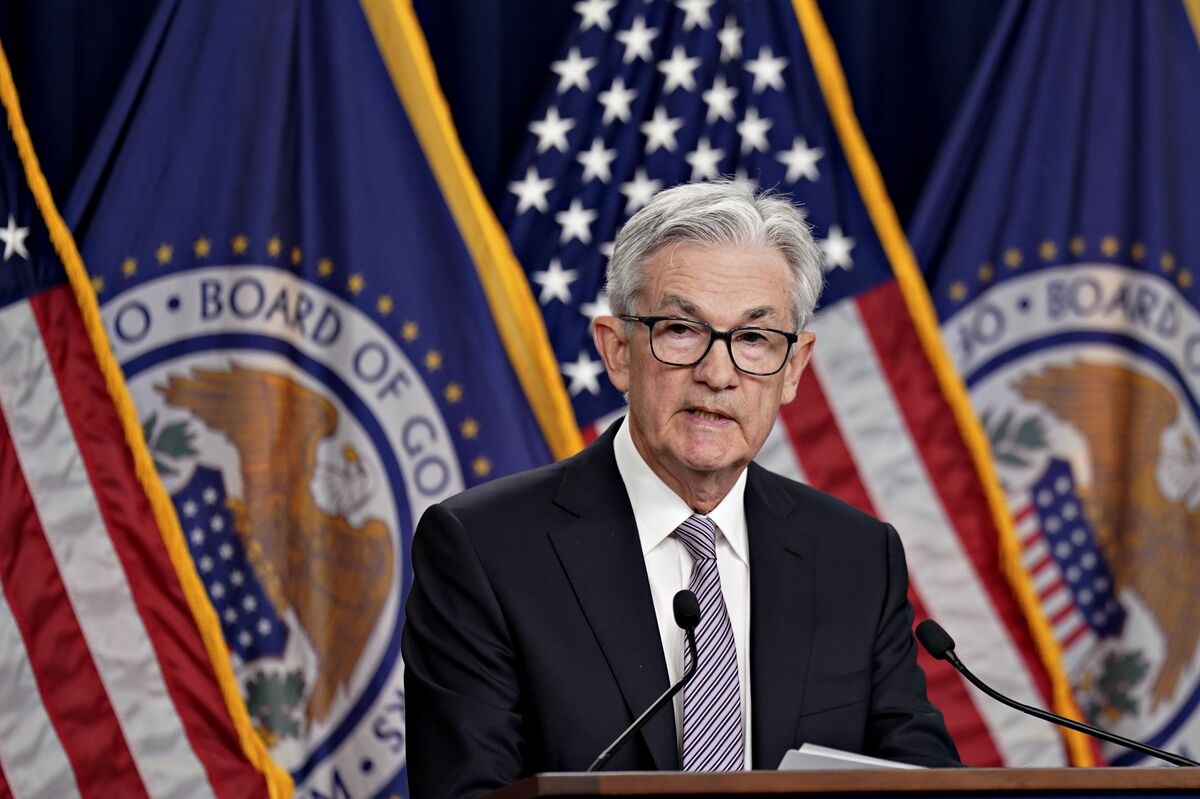
President Donald Trump explicitly told Reuters in an interview that he has no plans to fire Federal Reserve Chair Jerome Powell, despite an ongoing Justice Department criminal investigation into Powell related to the Fed’s headquarters renovation project and his congressional testimony about it.
Trump stated:
“I don’t have any plan to do that,” when asked directly if he would attempt to remove Powell. He added that it was “too early” to say if the probe would provide grounds for action, describing the situation as a “holding pattern” while potential replacements like Kevin Hassett or Kevin Warsh are considered for when Powell’s chair term ends in May 2026.
This comes amid heightened tensions: The investigation has been criticized by Powell as a pretext to pressure the Fed on interest rate decisions, rather than genuine concerns over spending. Powell publicly pushed back in a video statement, defending the Fed’s independence.
Register for Tekedia Mini-MBA edition 20 (June 8 – Sept 5, 2026).
Register for Tekedia AI in Business Masterclass.
Join Tekedia Capital Syndicate and co-invest in great global startups.
Register for Tekedia AI Lab.
Trump has long criticized Powell whom he originally nominated in 2017 over monetary policy, previously threatening to fire him, but this latest comment walks back immediate removal plans. Powell’s term as Fed chair expires in May, but he could remain on the Board of Governors until 2028, potentially complicating any full ouster.
Reuters interview statement—that he has no plans to fire Federal Reserve Chair Jerome Powell despite the ongoing Justice Department criminal investigation—carries several key implications for monetary policy, Fed independence, markets, and broader U.S. economic governance.
The comment provides immediate breathing room after weeks of escalation. The DOJ’s grand jury subpoenas related to Powell’s congressional testimony on Fed headquarters renovation cost overruns had sparked fears of forced removal or intensified pressure.

Markets reacted positively in reports, with some surges noted as relief from worst-case scenarios like abrupt firing attempts that could unsettle financial stability. Bond yields and equities often dip on Fed independence threats due to inflation or credibility risks, so this walks back immediate volatility.
Powell’s chair term ends in May 2026, but his Board of Governors seat runs until 2028. He isn’t required to resign fully.
Analysts widely interpret Trump’s “no plans” as signaling no immediate ouster push, but the probe continues as leverage. Many Fed watchers now see higher odds Powell stays on as a governor post-May—potentially as a dissenting voice or institutional defender—rather than departing quietly.
If Powell remains on the board: Trump could appoint a new chair— he’s eyeing figures like Kevin Warsh or Kevin Hassett, but the board would lack a clear Trump-aligned majority only ~3 reliable appointees out of 7. This creates a “rival center of influence” inside the Fed, leading to more divided votes, slower consensus on policy, and potential gridlock on rate decisions.

Powell has pushed back hard e.g., rare video statement calling the probe a “pretext” for rate pressure, and the attacks may harden his resolve to stay and protect Fed autonomy. Trump wants aggressive rate cuts (he’s dismissed high rates and pushed for lower ones to boost growth). The Fed has cut rates recently but remains data-dependent.
With reduced firing threat: The Fed may stick to its independent stance, avoiding rushed cuts that could fuel inflation. Some observers predict fewer or delayed cuts in 2026 if Powell stays influential, as the probe backfired by making the Fed more resistant to perceived political interference.
Eroding perceived independence could still raise inflation expectations or weaken the dollar if global investors doubt U.S. central bank credibility. Trump’s dismissal of Fed independence concerns (“I don’t care… They should be loyal”) reinforces his view that the president should influence monetary policy directly—contrary to decades of bipartisan norms.
The probe launched under Trump ally U.S. Attorney Jeanine Pirro draws bipartisan criticism, including from some Republicans, as weaponizing the DOJ for policy ends. It risks setting precedents: Undermining Fed independence could affect global confidence in U.S. institutions, complicate future nominations, and invite legal challenges.
Politically, it highlights tensions within the GOP—some senators threaten to block Fed nominees until the probe resolves. This is a tactical pause rather than resolution. Trump keeps options open (“holding pattern,” “too early” to decide based on probe), while Powell gains leverage to finish his chair term and possibly linger on the board.
The standoff tests Fed resilience in an era of heightened executive pressure, with ripple effects on interest rates, inflation control, and economic predictability through 2026 and beyond.
Markets will watch nominee announcements and probe developments closely. Markets and analysts are watching closely, as any escalation could impact Fed independence, interest rates, and economic stability.