

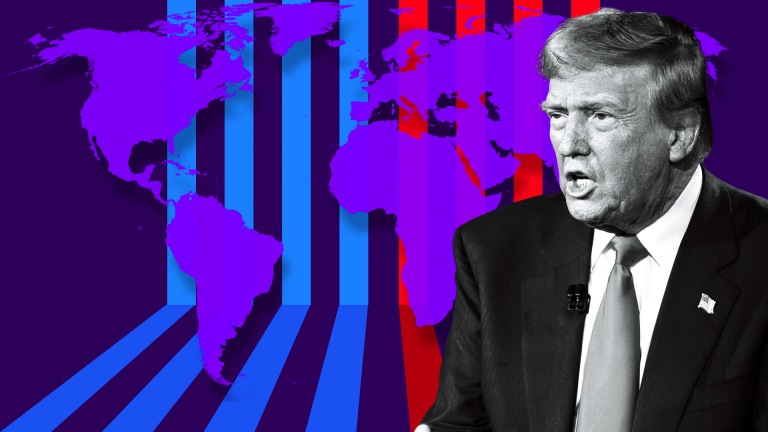
The Trump Organization has just announced a partnership with Saudi-based developer Dar Global to build the Trump International Hotel Maldives, a luxury 80-room resort on the Raa Atoll.
This project is groundbreaking as the world’s first tokenized hotel development, where investors can purchase digital tokens representing fractional ownership shares in the property via blockchain technology. The initiative aims to democratize access to high-end real estate investments, blending traditional luxury hospitality with crypto innovation.
The development is estimated at around $300 million and is expected to open in late 2027 or early 2028. Token sales will reportedly begin soon on an as-yet-unannounced blockchain platform, with proceeds funding construction. This marks the Trump brand’s expansion into the Maldives, a popular destination for ultra-luxury tourism, following similar projects in Oman and Dubai with Dar Global.
The Trump International Hotel Maldives represents a pioneering effort in real-world asset (RWA) tokenization within the luxury hospitality sector. Unlike traditional real estate investments that often require completed properties for fractionalization, this project tokenizes the development phase itself, allowing investors to acquire digital shares from the ground up.
Register for Tekedia Mini-MBA edition 20 (June 8 – Sept 5, 2026).
Register for Tekedia AI in Business Masterclass.
Join Tekedia Capital Syndicate and co-invest in great global startups.
Register for Tekedia AI Lab.
This approach aims to fund construction through blockchain-based securities while providing early-stage exposure to the resort’s potential growth. The initiative is a collaboration between the Trump Organization and Dar Global, a London-listed Saudi-backed developer, with the resort featuring approximately 80 ultra-luxury beach and overwater villas on Raa Atoll, set to open by late 2028.
How Tokenized Ownership Works
Tokenization converts rights to the underlying asset here, the hotel development into digital tokens on a blockchain. These tokens act as security tokens, representing fractional ownership or economic interests in the project.
High-value real estate estimated at $300 million total development cost is divided into smaller, tradable units. This democratizes access, enabling retail investors to buy portions of the project that might otherwise require millions in capital.

Tokens are issued on an as-yet-unannounced blockchain platform, ensuring transparent, immutable records of ownership and transactions. This facilitates 24/7 global trading on secondary markets, improving liquidity compared to illiquid traditional real estate.
Early-Stage Participation: Investors can enter during construction, potentially benefiting from appreciation as the resort nears completion and generates revenue (e.g., from bookings, operations). Proceeds from token sales will directly support development costs, blending venture-like funding with real estate.
Token holders may receive yields tied to project performance, such as revenue shares or priority access to bookings. Low fractional tokens, potentially $100–$1,000 per unit

Blockchain ledger for real-time verification. While full terms are pending disclosure token sales are slated to begin soon, preliminary details suggest. Tokens likely entitle holders to proportional returns, such as dividends from hotel revenues or capital gains upon project milestones.
Perks for Holders: Potential utility features, like discounted stays, priority reservations, or governance votes on minor decisions, drawing from Dar Global’s prior NFT-based perks in Oman projects. Tokens can be resold, providing exit options before the resort opens, which could attract speculative interest.
As the “world’s first tokenized hotel development,” it positions investors in a high-profile test case for RWA growth, projected to reach $4 trillion by 2035. Eric Trump, Executive Vice President of the Trump Organization, emphasized: “This development will not only redefine luxury in the region but also set a new benchmark for innovation in real estate investment through tokenization.”
Dar Global CEO Ziad El Chaar added that it “blends luxury, innovation, and technology in a way that will transform how the world invests in hospitality.” Tokenized real estate, while innovative, carries uncertainties.
Compliance with securities laws (e.g., SEC in the US, or equivalents in the UAE/Saudi Arabia/Maldives) is essential; non-compliance could lead to delisting or legal issues. Token values may fluctuate with crypto markets, travel trends, or geopolitical factors affecting the Maldives a tourism-dependent economy.
Secondary markets may lack depth initially, and blockchain risks like hacks exist, though reputable platforms mitigate this. Detailed whitepapers on token economics, smart contract audits, or yield structures are unavailable, urging due diligence.
This project builds on the Trump family’s crypto ventures (e.g., World Liberty Financial) and could accelerate RWA adoption if successful, but it’s not without the speculative edge of emerging tech.