

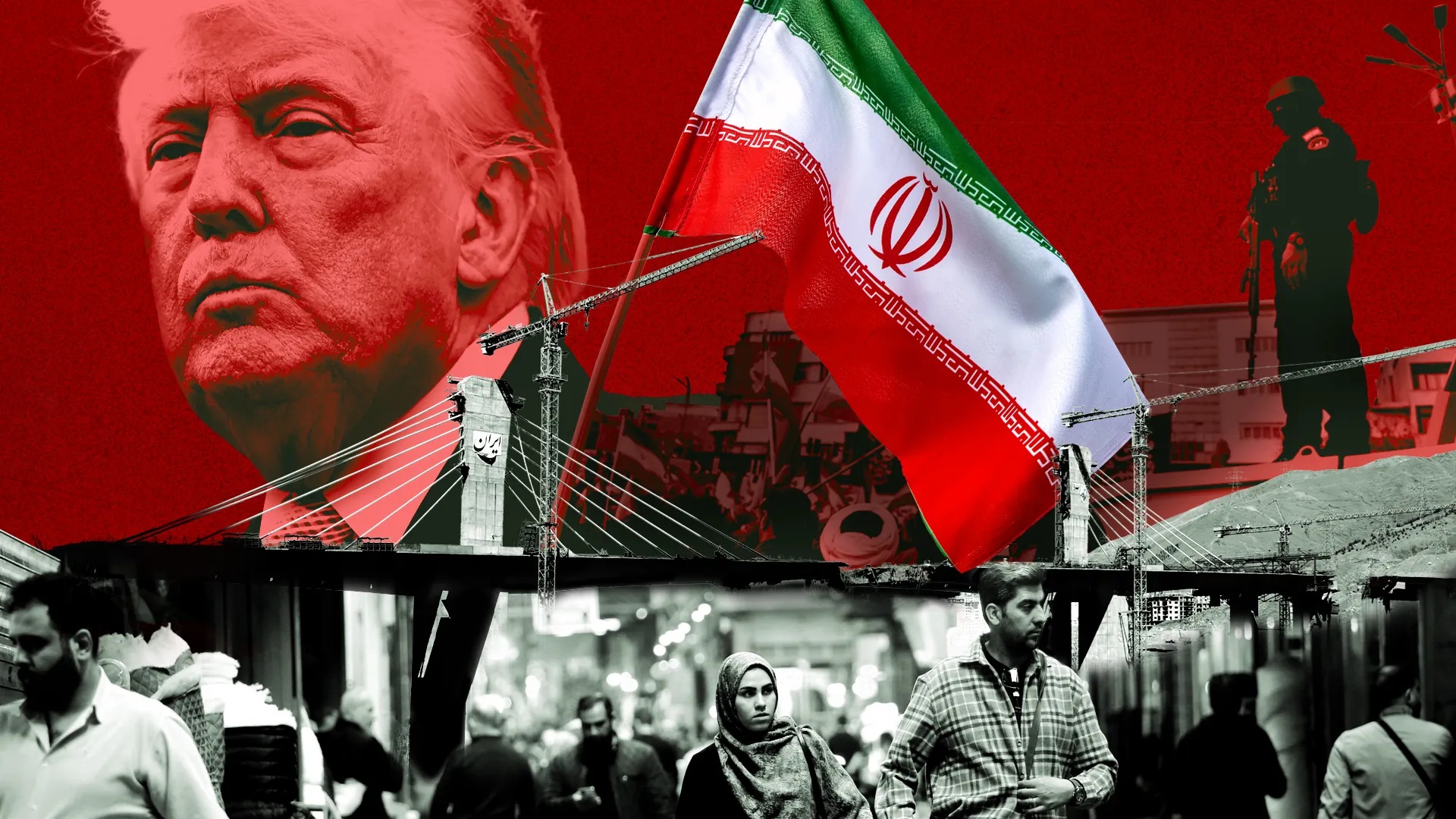
The United States launched fresh military strikes on Iran on Wednesday, marking a significant escalation in hostilities just hours after President Donald Trump declared that the interim agreement to end the war with Iran was “over,” a development that has intensified fears of prolonged disruptions to global energy supplies and international shipping.
The latest military action comes as oil markets, insurers and shipping companies increasingly price in the possibility of a wider conflict centered on the Strait of Hormuz, one of the world’s most strategically important energy corridors through which roughly one-fifth of global oil consumption passes each day.
The U.S. Central Command (CENTCOM) confirmed the latest strikes, saying they were aimed at weakening Iran’s ability to threaten commercial shipping through the narrow waterway linking the Persian Gulf to global markets.
Register for the next Tekedia Mini-MBA.
Register for Tekedia AI in Business Masterclass.
Join Tekedia Capital Syndicate and co-invest in great global startups.
In a statement posted on X, CENTCOM said: “The United States is holding Iran accountable for recent unjustified aggression against commercial shipping and civilian crews freely navigating a vital international waterway.”
The military operation follows Tuesday’s attacks on three commercial oil tankers transiting the Strait of Hormuz, incidents that sharply escalated tensions between Washington and Tehran. In response, the Trump administration revoked a waiver that had allowed Iran to continue new oil sales and launched overnight strikes against Iranian targets.
Speaking on Wednesday, Trump said the memorandum of understanding that had temporarily halted the conflict was now “over” and indicated that additional U.S. military operations were likely later in the day following Iranian attacks on American military bases in the Gulf.

The president’s remarks immediately rattled global commodity markets.
Oil prices surged about 5% shortly after Trump’s comments and later extended gains to roughly 6%, reaching their highest level in two weeks as traders began pricing in the growing risk of supply disruptions from the Middle East.
The renewed hostilities suggest upward pressure on crude prices may persist beyond Wednesday’s rally. Investors now fear that continued military action could disrupt tanker traffic through the Strait of Hormuz or trigger further restrictions on Iranian oil exports, tightening global supplies at a time when energy markets are already highly sensitive to geopolitical shocks.

Any prolonged interruption in the waterway would have far-reaching consequences for oil-importing nations, including major Asian economies such as India, Japan and South Korea, where higher energy costs would likely fuel inflation, weaken currencies, increase import bills and weigh on economic growth.
The escalating conflict is also reverberating through the global shipping industry. Several war-risk underwriters have advised shipping companies to suspend voyages through the Strait of Hormuz, while others are reviewing insurance policies after the latest attacks raised fears of a return to open warfare between the United States and Iran.
Although insurers have not stopped providing war-risk coverage, industry sources said premiums are rising rapidly as companies reassess the security environment.
War-risk insurance, which is generally issued for seven-day periods and reviewed every 24 to 48 hours, has already become significantly more expensive.
According to industry sources cited by Reuters, insurance rates for ships operating inside the Gulf have risen toward 3% of a vessel’s value from around 2% at the end of last week.
While that increase may appear modest in percentage terms, it translates into hundreds of thousands of dollars in additional daily operating costs for large commercial vessels, costs that are often passed through the global supply chain.
One underwriting source said insurers remain willing to provide coverage, but only at substantially higher prices.
“Someone will cover you, but probably at 5% at the least,” the source said.
The rising insurance costs are expected to increase freight rates and transport expenses, adding another layer of inflationary pressure to global trade if the conflict continues. The United Nations’ International Maritime Organization (IMO) also warned that conditions in the Strait of Hormuz have deteriorated significantly. The agency said commercial vessels should avoid sailing through the waterway “as long as the safety and security of crews cannot be assured.”
IMO Secretary-General Arsenio Dominguez said the continued surge in insurance costs was becoming an increasingly serious burden for the maritime industry.
“Governments with influence over the insurance and reinsurance markets have a role to play in engaging with insurers to ensure premiums reflect current realities, rather than continuing to reflect the peak of the crisis,” he said.
His comments lend credence to the growing concern that soaring insurance premiums, combined with elevated fuel prices and security risks, could significantly increase global shipping costs even if commercial traffic through the Strait of Hormuz remains open.