

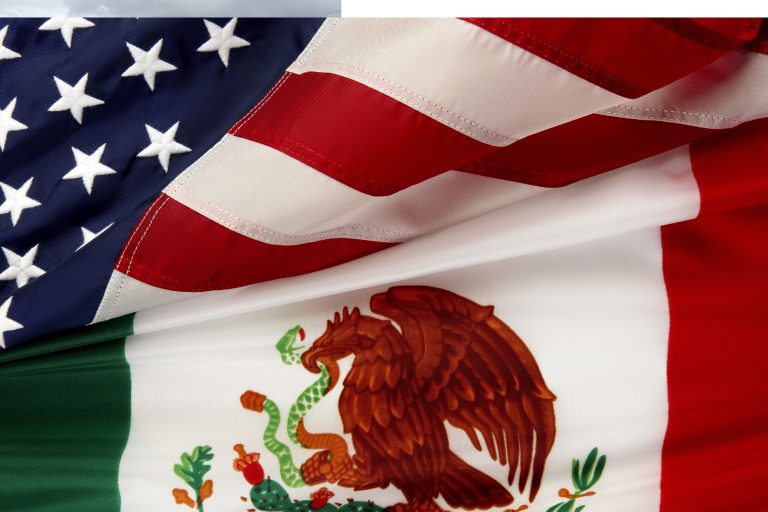
The United States and Mexico are nearing an agreement to reduce or eliminate the 50% tariffs on Mexican steel imports, as reported by Reuters and Bloomberg on June 10, 2025. The deal would allow U.S. companies to import Mexican steel tariff-free up to a certain volume based on historical trade levels, with imports exceeding this quota potentially facing the full 50% tariff. The arrangement may resemble a quota system, though specific volumes and final terms are still under negotiation.
This follows President Trump’s broader tariff policies, which include a 25% levy on imports not covered by the US-Mexico-Canada Agreement (USMCA) and additional tariffs linked to fentanyl concerns. Mexico’s President Claudia Sheinbaum has pushed for clarity to stabilize trade, given that over 80% of Mexican exports go to the U.S. No final agreement has been confirmed, and Trump’s approval is required. The potential U.S.-Mexico trade deal, particularly regarding steel tariffs, carries significant economic, political, and social implications for both nations.
Reducing or eliminating the 50% tariffs on Mexican steel imports could stabilize bilateral trade, which is critical as Mexico is the U.S.’s largest trading partner, with over $800 billion in annual trade under the USMCA. A quota-based system would allow Mexican steel to flow into the U.S. market tariff-free up to a certain volume, preserving cost advantages for U.S. manufacturers reliant on Mexican steel. If the quota is set too low, it could limit Mexico’s steel exports, raising costs for U.S. industries like construction and automotive, which depend on affordable steel.
Register for Tekedia Mini-MBA edition 20 (June 8 – Sept 5, 2026).
Register for Tekedia AI in Business Masterclass.
Join Tekedia Capital Syndicate and co-invest in great global startups.
Register for Tekedia AI Lab.
Conversely, a high quota could flood the U.S. market, potentially harming domestic steel producers. Tariffs increase costs for imported goods, which can drive inflation. A deal to reduce tariffs could mitigate price increases for U.S. consumers and businesses, particularly in industries using steel. However, if negotiations stall or tariffs remain, higher costs could persist, impacting sectors like automotive and infrastructure.
A trade deal could strengthen North American supply chains by ensuring predictable access to Mexican steel, a key input for U.S. industries. This is vital under the USMCA, which emphasizes regional integration. However, uncertainty around final terms could disrupt planning for businesses on both sides of the border. Mexico’s economy, heavily reliant on U.S. exports (over 80% of its total exports), could face significant disruption if tariffs are not reduced. A favorable deal would support Mexican jobs and industries, particularly steel production, while failure to reach an agreement could lead to retaliatory tariffs from Mexico, escalating trade tensions.
President Trump’s push for tariffs, including the 50% on Mexican steel and additional 25% on non-USMCA goods, is tied to his broader agenda of protecting U.S. industries and addressing issues like fentanyl trafficking. A deal could be framed as a win for his administration, balancing protectionism with pragmatic trade relations. However, failure to secure a deal could embolden critics who argue his tariff policies are disruptive.

Mexican President Claudia Sheinbaum’s call for clarity reflects domestic pressure to protect Mexico’s export-driven economy. Her administration’s willingness to negotiate quotas shows flexibility, but Mexico may push back with retaliatory measures if the U.S. imposes harsh terms, potentially straining diplomatic ties. The deal operates within the USMCA, which both nations (along with Canada) signed to promote free trade. A successful agreement could reinforce the USMCA’s relevance, while prolonged disputes might prompt calls for renegotiation, especially with the agreement’s 2026 review approaching.
Trump’s tariffs are partly linked to concerns over fentanyl smuggling from Mexico. A trade deal could include commitments from Mexico to enhance border security, potentially easing U.S. concerns but raising domestic challenges for Mexico in addressing drug cartels. In the U.S., steel tariffs aim to protect domestic jobs in states like Pennsylvania and Ohio, but they risk raising costs for industries employing far more workers, such as automotive manufacturing. In Mexico, tariff reductions would safeguard jobs in steel-producing regions, but restrictive quotas could lead to layoffs.
Border regions, heavily reliant on integrated economies, could benefit from a deal that minimizes trade disruptions. Conversely, prolonged tariffs could harm cross-border commerce, affecting communities in states like Texas and California and Mexican states like Baja California. U.S. steelworkers and unions, particularly in Rust Belt states, support tariffs to protect jobs from foreign competition. However, industries like automotive and construction, along with free-trade advocates, argue tariffs raise costs and harm broader economic interests.

Republicans aligned with Trump’s “America First” agenda favor tariffs, while Democrats and some business-friendly Republicans warn of economic fallout. This split pressures negotiators to balance domestic interests. The U.S. prioritizes protecting its steel industry and addressing fentanyl, while Mexico focuses on preserving export markets and avoiding economic disruption. These differing goals create tension over tariff levels and quotas.
The U.S. links trade to non-trade issues like drug trafficking, which Mexico views as a domestic law enforcement matter, complicating negotiations. U.S. steel producers benefit from tariffs, while manufacturers reliant on affordable steel imports oppose them. In Mexico, steel exporters push for open markets, but other sectors fear U.S. tariffs could trigger broader trade restrictions.
The U.S. aims to curb reliance on Chinese steel (often routed through Mexico), while Mexico seeks to maintain its role as a key U.S. supplier. This global-regional tension shapes the quota discussions, as the U.S. seeks to limit transshipped steel without punishing Mexican producers. A U.S.-Mexico trade deal on steel tariffs could stabilize bilateral trade, lower costs for U.S. industries, and reinforce the USMCA framework, but it hinges on reconciling competing interests.
The divides—between protectionism and free trade, U.S. and Mexican priorities, and industry-specific needs—create a complex negotiation landscape. If successful, the deal could ease economic pressures and strengthen North American integration. However, failure to agree risks escalating tariffs, retaliatory measures, and strained relations, with broader implications for inflation, jobs, and regional stability.