

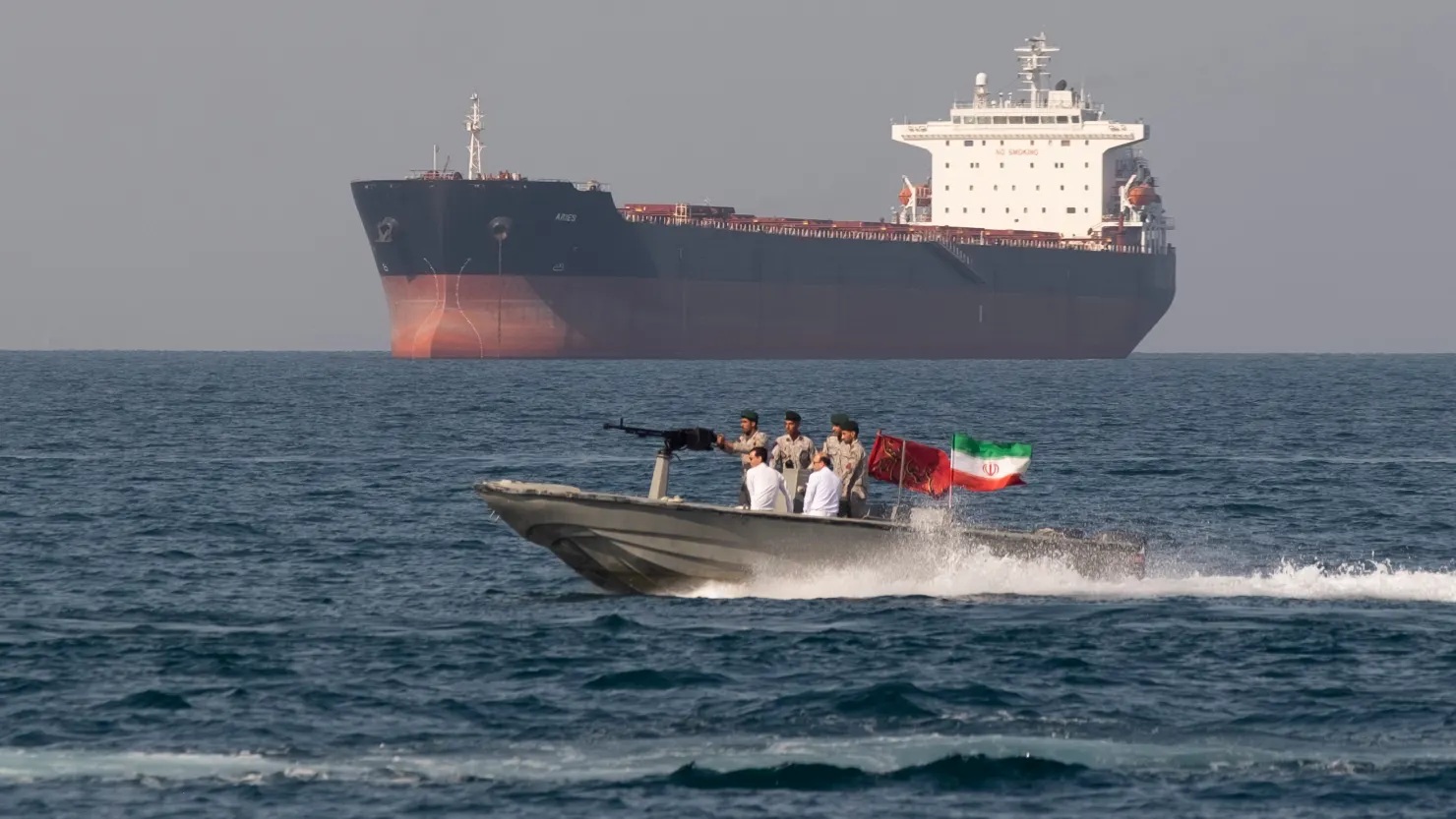
The administration of Donald Trump on Friday unveiled a $20 billion reinsurance program designed to restart oil tanker traffic through the Strait of Hormuz, as escalating hostilities between Israel and Iran threaten to choke off one of the world’s most critical energy corridors.
The initiative comes amid a dramatic surge in oil prices and mounting concerns that the widening conflict in the Middle East could spiral into a full-scale supply shock for global energy markets.
U.S. crude futures jumped more than 12% on Friday, pushing prices above $90 per barrel, after tanker traffic through the Persian Gulf slowed sharply and some Gulf producers began cutting output because they could not ship crude through the narrow waterway.
Register for Tekedia Mini-MBA edition 20 (June 8 – Sept 5, 2026).
Register for Tekedia AI in Business Masterclass.
Join Tekedia Capital Syndicate and co-invest in great global startups.
Register for Tekedia AI Lab.
Under the plan, the U.S. International Development Finance Corporation will provide insurance coverage for maritime losses of up to $20 billion on a rolling basis. The program is being implemented in coordination with the U.S. Department of the Treasury and United States Central Command, pinpointing the strategic nature of the crisis and the U.S. government’s effort to stabilize energy supply routes.
“We are confident that our reinsurance plan will get oil, gasoline, LNG, jet fuel, and fertilizer through the Strait of Hormuz and flowing again to the world,” said DFC Chief Executive Ben Black.
The Strait of Hormuz — which connects the Persian Gulf to the Gulf of Oman — handles roughly 20% of global oil consumption and about a fifth of the world’s liquefied natural gas shipments. The waterway is only about 21 miles wide at its narrowest point, making it uniquely vulnerable to military disruption, naval blockades, or missile and drone attacks.

Even temporary interruptions can ripple through energy markets. Analysts note that during previous geopolitical crises involving the strait, oil prices have spiked rapidly because the route serves as the primary export channel for several of the world’s largest producers, including Saudi Arabia, the United Arab Emirates, Kuwait, and Iraq.
The Trump administration had already signaled earlier in the week that it was prepared to intervene to keep the shipping lane open. Trump said commercial vessels transiting the Gulf could receive government-backed insurance and potentially escort protection from the United States Navy if conditions deteriorate further.
The measures follow several attacks on commercial tankers since U.S. and Israeli forces launched a large wave of airstrikes against Iranian targets last weekend. Shipping firms responded by halting voyages through the strait, creating a bottleneck that has effectively frozen a significant portion of Gulf oil exports.

Industry analysts say the market reaction highlights the fragility of global energy supply chains, particularly at a time when geopolitical tensions across multiple regions are already weighing on trade routes.
Matt Wright, senior freight analyst at the energy analytics firm Kpler, said insurance coverage alone is unlikely to resolve the immediate standoff.
“Tanker owners are worried about their physical security,” Wright said, noting that the lack of vessel movement reflects concerns that ships could become targets in an expanding regional conflict.
“There needs to be some confidence that Iran’s ability to continue to wage war has diminished,” he added.
The disruption has already begun affecting oil producers across the Gulf. With exports constrained, some countries have reportedly started reducing output as storage tanks approach capacity and tankers remain stranded outside the strait awaiting safer passage.
For energy markets, the situation is reviving fears of a supply shock similar to earlier Middle East crises that drove sharp increases in crude prices and triggered inflationary pressure across major economies.
Higher oil prices feed directly into transportation, manufacturing, and food costs, raising concerns among policymakers that the conflict could complicate the fight against inflation just as many central banks were preparing to ease interest rates.
The spike in energy prices is already beginning to reshape financial market expectations. Investors are reassessing the outlook for monetary policy, as sustained oil price increases could delay planned rate cuts by central banks such as the Federal Reserve and the European Central Bank.
At the same time, the crisis is forcing governments and energy companies to revisit contingency plans for supply disruptions. Some producers may attempt to reroute shipments through alternative pipelines or storage hubs, though such options are limited and cannot fully replace the capacity of the Strait of Hormuz.
However, the $20 billion reinsurance program is seen as an attempt by Washington to restore confidence in maritime trade long enough to prevent a deeper shock to the global energy system. U.S. officials hope tanker operators will gradually resume voyages through the strait by guaranteeing shipping losses and potentially deploying naval escorts.
It is not certain, though, if those assurances are sufficient. With the war expanding across multiple fronts and attacks on commercial shipping continuing, many energy traders and shipping firms say the risks in the Gulf remain elevated — leaving the global oil market on edge.