

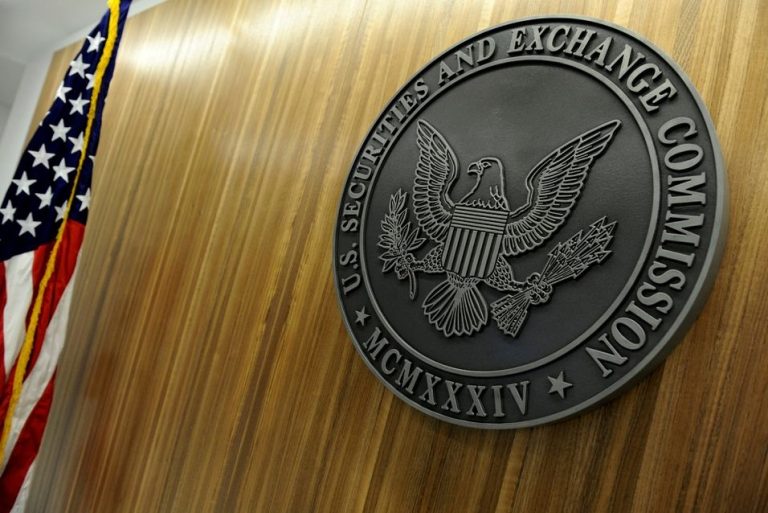
U.S. Securities and Exchange Commission (SEC) has extended its review periods on multiple cryptocurrency exchange-traded fund (ETF) applications in recent weeks, pushing back deadlines into October and November 2025.
This pattern of delays, while frustrating for the industry, is consistent with the SEC’s cautious approach to crypto products beyond spot Bitcoin and Ethereum ETFs. Originally due for a decision on September 15, now extended to November 14, 2025. This reflects ongoing scrutiny of staking mechanics and custody issues for altcoin-based funds.
Ethereum Staking ETFs— BlackRock, Fidelity, Franklin Templeton) decisions delayed to allow further review of staking proposals, with final calls expected in late October. XRP ETFs (Bitwise, CoinShares, Grayscale, 21Shares): Multiple filings pushed to October 19–23, amid concerns over market manipulation and regulatory classification of XRP.
These postponements have led to a “wait-and-see” stance among institutional investors, stalling Q3 2025 inflows into altcoin-related products and contributing to short-term market volatility. On a brighter note, the SEC did approve generic listing standards for commodity-based trusts including many spot crypto ETFs on September 17, which could streamline future approvals by eliminating case-by-case reviews and the standard 240-day delay.
Register for Tekedia Mini-MBA edition 20 (June 8 – Sept 5, 2026).
Register for Tekedia AI in Business Masterclass.
Join Tekedia Capital Syndicate and co-invest in great global startups.
Register for Tekedia AI Lab.
This might accelerate launches for products like Solana or XRP ETFs by year-end, though analysts predict final decisions clustered in October. Despite the hurdles, cumulative inflows into approved Bitcoin ETFs have surpassed $54.8 billion in 2025, underscoring sustained demand.
The delays aren’t outright rejections—Bloomberg ETF analyst James Seyffart calls them “routine”—but they highlight the SEC’s focus on investor protections like fraud risks and in-kind redemptions. In stark contrast to the SEC’s foot-dragging, the U.S. Department of Commerce’s move to publish official macroeconomic data on-chain via Chainlink and Pyth Network is a massive win for blockchain integration into traditional finance.
Announced on August 28, 2025, this initiative marks the first time a federal agency has disseminated economic stats directly onto public blockchains, starting with Q2 2025 GDP figures revised to +3.3% annualized growth. Real Gross Domestic Product (GDP), Personal Consumption Expenditures (PCE) Price Index a key inflation gauge, and Real Final Sales to Private Domestic Purchasers measuring domestic demand.

Updated quarterly or monthly in sync with Bureau of Economic Analysis (BEA) releases. Initially rolled out on nine networks—Bitcoin, Ethereum, Solana, TRON, Stellar, Avalanche, Arbitrum One, Polygon PoS, and Optimism—with expansions planned (e.g., Sonic added in September).
The Commerce Department generates a SHA256 hash of the official PDF release and embeds it along with topline figures into blockchain transactions or smart contracts. Chainlink Data Feeds and Pyth oracles then stream this verified data to DeFi apps in real-time.
This isn’t just symbolic—it’s programmable infrastructure. Developers can now build: Tokens or bonds that auto-adjust yields based on PCE data. Crowdsourced forecasts tied to GDP releases for real-time economic intelligence. Protocols that dynamically tweak lending rates or collateral requirements using macro trends.

Automated strategies for perpetual futures or tokenized real-world assets (RWAs) reacting to U.S. economic shifts. Commerce Secretary Howard Lutnick hailed it as a “proof of concept” for broader government use, crediting President Trump’s pro-crypto push.
Chainlink co-founder Sergey Nazarov noted ongoing talks with other federal agencies for applications like blockchain-backed elections and digital identity. The announcement spiked Chainlink’s LINK token +5% and Pyth’s PYTH +50% intraday, reflecting market excitement.
This federal endorsement validates decentralized oracles as “critical infrastructure” for stablecoins and tokenized economies, per a July 2025 White House report. It’s a tangible step toward the U.S. positioning itself as the “crypto capital,” counterbalancing SEC delays with real adoption. If you’re eyeing LINK or related plays, this could catalyze RWA growth—watch for more agencies jumping in by Q4.
What’s your take—bullish on altcoin ETFs despite the delays, or more excited about the macro data plays?