

Ukraine’s expanding drone campaign against Russia, the continuing security challenges in the Red Sea, and Turkey’s prolonged dispute over its Russian-made S-400 air defence system illustrate how military decisions increasingly shape international diplomacy and the global balance of power.
Although these issues involve different regions and actors, they reflect a common reality: modern conflicts are no longer confined to the battlefield. Instead, tactical choices, defence procurement, and technological innovation are influencing alliances, economic stability, and geopolitical strategy across the world.
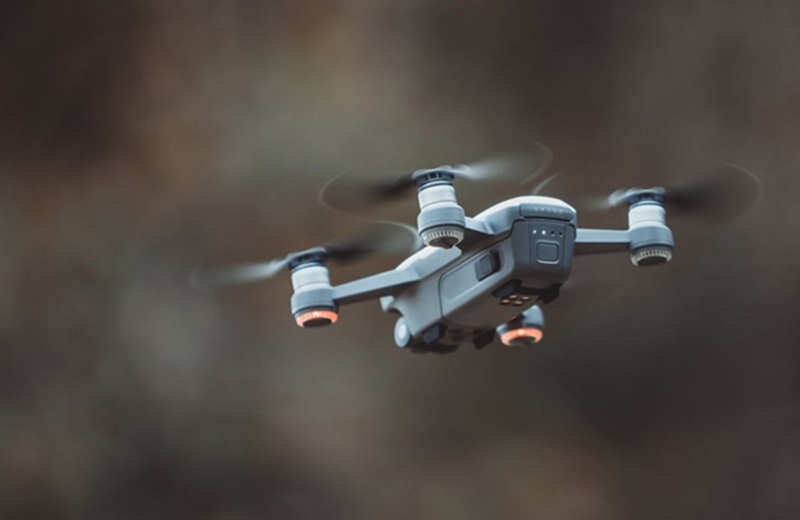
Ukraine’s use of long-range drones has become one of the defining features of the war with Russia.
As traditional ground offensives have become more difficult, Kyiv has increasingly relied on drone technology to strike military infrastructure, logistics hubs, air bases, and industrial facilities deep inside Russian territory.
Register for the next Tekedia Mini-MBA.
Register for Tekedia AI in Business Masterclass.
Join Tekedia Capital Syndicate and co-invest in great global startups.
These operations serve both military and psychological purposes by disrupting supply chains, forcing Russia to divert valuable air defence resources, and demonstrating that no location is completely beyond Ukraine’s reach.
The growing sophistication of drone warfare also highlights how relatively inexpensive technologies can challenge conventional military superiority.
These strikes have heightened concerns among Ukraine’s international partners about the possibility of further escalation, particularly if attacks reach strategically sensitive targets.
Western governments therefore continue to balance military support for Ukraine with efforts to prevent a broader regional conflict. Meanwhile, maritime security in the Red Sea remains one of the world’s most pressing strategic concerns.

The waterway is a vital artery for global commerce, carrying a significant share of international trade between Europe and Asia.
Continued attacks on commercial shipping have disrupted supply chains, increased insurance costs, and forced many vessels to reroute around Africa, adding considerable time and expense to global shipping operations.
These disruptions extend beyond regional security, contributing to inflationary pressures and uncertainty in international markets. In response, several countries have expanded naval patrols and multinational maritime security operations to safeguard shipping lanes.
The persistence of attacks demonstrates that military deployments alone cannot fully resolve the underlying political and security challenges driving instability in the region. Sustainable security will likely require both diplomatic engagement and coordinated international action.

Turkey’s ongoing S-400 dispute presents another example of how defence procurement decisions can reshape diplomatic relationships. Ankara’s decision to purchase the Russian-made S-400 missile defence system created one of the deepest disagreements within NATO in recent years.
The United States argued that operating the Russian system alongside NATO equipment could compromise alliance security and sensitive military technology, particularly the F-35 fighter program. As a result, Turkey was removed from the F-35 project and became subject to sanctions, despite remaining a key NATO member.
The dispute has complicated relations between Ankara and its Western allies while simultaneously highlighting Turkey’s determination to pursue a more independent defence policy. Turkish leaders continue to argue that national security requirements justify diversified military partnerships, even when those choices generate friction within longstanding alliances.
These developments demonstrate how military strategy now extends well beyond combat operations. Drone warfare is reshaping deterrence and force projection, maritime security directly influences global economic stability, and defence procurement decisions increasingly carry significant diplomatic consequences.
Governments are being forced to evaluate military decisions not only for their immediate tactical value but also for their long-term geopolitical implications.
As technology evolves and strategic competition intensifies, the intersection of military capability, diplomacy, and alliance politics will become even more pronounced.
Nations that successfully integrate military innovation with effective diplomatic engagement will be better positioned to protect their interests in an increasingly complex international security environment.
The conflicts unfolding today are therefore not merely contests of military strength but also tests of political resilience, strategic partnerships, and the evolving architecture of global power.