

US and Iranian delegations are scheduled to hold the first round of direct peace talks in Islamabad, Pakistan, starting Saturday morning local time. Pakistan has played a central mediating role, with Prime Minister Shehbaz Sharif inviting both sides after brokering a fragile two-week ceasefire that took effect earlier this week.
Key Details on the Talks
US delegation: Led by Vice President JD Vance, and includes envoys such as Steve Witkoff and Jared Kushner. Vance departed for Islamabad on Friday, describing the talks as potentially positive if Iran negotiates in good faith, while warning that attempts to play the US would not be well received. He noted that President Trump has provided clear guidelines.
Register for Tekedia Mini-MBA edition 20 (June 8 – Sept 5, 2026).
Register for Tekedia AI in Business Masterclass.
Join Tekedia Capital Syndicate and co-invest in great global startups.
Register for Tekedia AI Lab.
Iranian side: Expected to be led by senior officials possibly including Parliament Speaker Mohammad Baqer Qalibaf. Tehran has said the talks will be based on its 10-point proposal, which includes lifting all sanctions and aspects related to control over the Strait of Hormuz. Talks at the Serena Hotel in a heavily secured area of Islamabad.
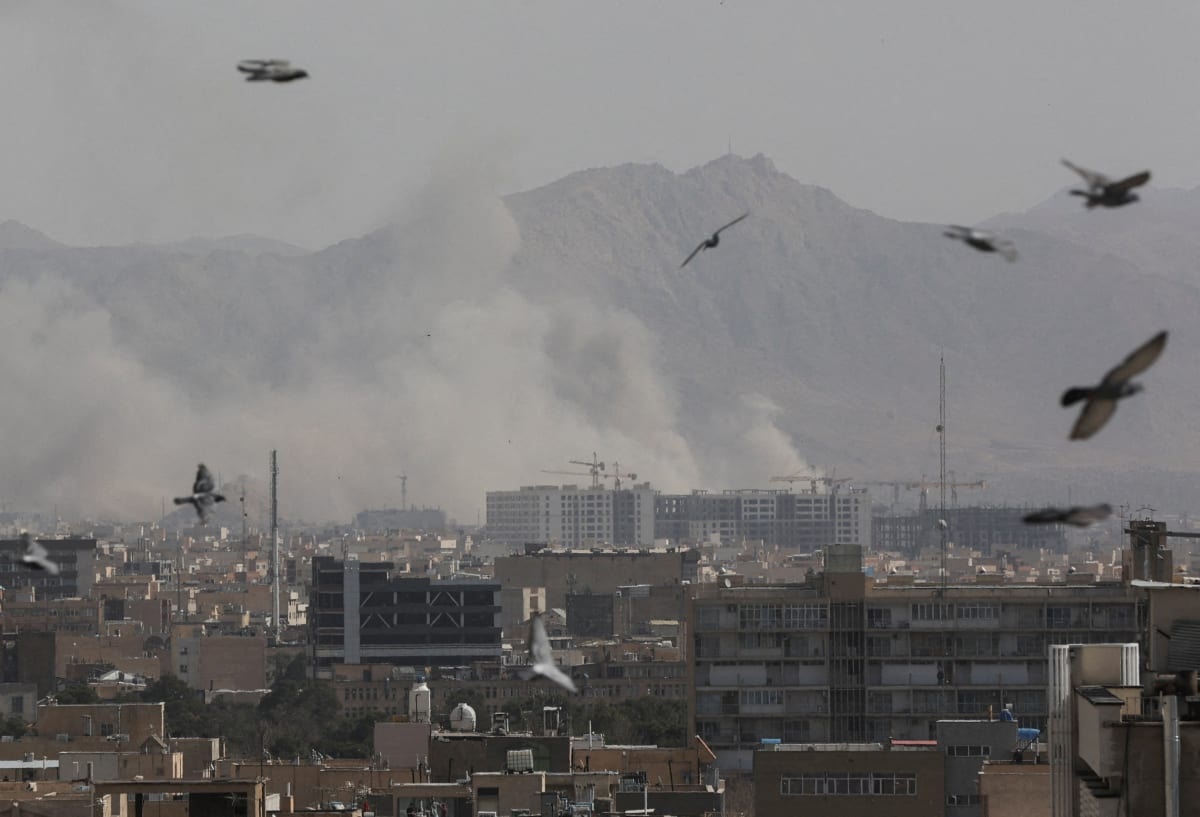
Delegations have been arriving, with Pakistan declaring local holidays and ramping up security. The initial round is set for Saturday, though negotiations could extend or involve multiple rounds. This follows weeks of escalation involving US and Israeli strikes on Iran, Iranian responses, and disruptions in the region including fighting between Israel and Hezbollah in Lebanon.
The ceasefire aims to pause direct US-Iran hostilities for two weeks to allow negotiations toward a longer-term deal. Issues include Iran’s nuclear program, ballistic missiles, regional proxies, sanctions relief, and reopening the Strait of Hormuz (a critical chokepoint for global oil).
The situation remains tense and fragile: The Strait of Hormuz is still effectively closed or restricted, Israel has continued operations against Hezbollah which Iran says violates the truce, and both sides have traded accusations. Iran has signaled it may approach talks cautiously due to deep mistrust, and some reports note threats to pull out if the ceasefire doesn’t extend to Lebanon.

Markets have largely priced in a degree of de-escalation and potential for a deal, but with volatility reflecting the risks: Oil prices spiked dramatically during the height of the conflict due to Hormuz disruptions. They dropped sharply on ceasefire news and talk of reopening the strait, as traders bet on reduced supply risks. However, they’ve rebounded or shown choppiness recently amid doubts about the truce holding, with some reports of oil edging higher or nearing $100 again on Friday uncertainty.
Stocks: Major indices like S&P 500, Dow, etc. rallied on the ceasefire announcement and talks prospects, viewing it as an off-ramp that could stabilize energy costs and global trade. Gains were notable in the days following the Pakistan-brokered pause, though Asian and European markets showed mixed or negative moves on Friday amid lingering strains.
Investors appear to have baked in a baseline expectation of at least short-term calm or progress in Islamabad, helping equities and pressuring oil lower initially. But the shaky truce, ongoing regional fighting, and wide gaps between US and Iranian positions mean markets remain sensitive to headlines. A positive outcome could support further risk-on moves; breakdowns or violations could spike volatility and energy prices again.
In short, yes—the talks are happening tomorrow in Pakistan, and markets have been reacting as if diplomatic progress is the base case, while hedging against the very real chance things could unravel quickly. Outcomes are highly uncertain given the mistrust and unresolved flashpoints like Hormuz and Lebanon. Developments over the weekend will likely drive the next big moves.
