

Trade relations between the United States and Canada have entered another tense phase, with negotiations effectively frozen after a breakdown in talks and a sharp escalation in rhetoric from Washington.
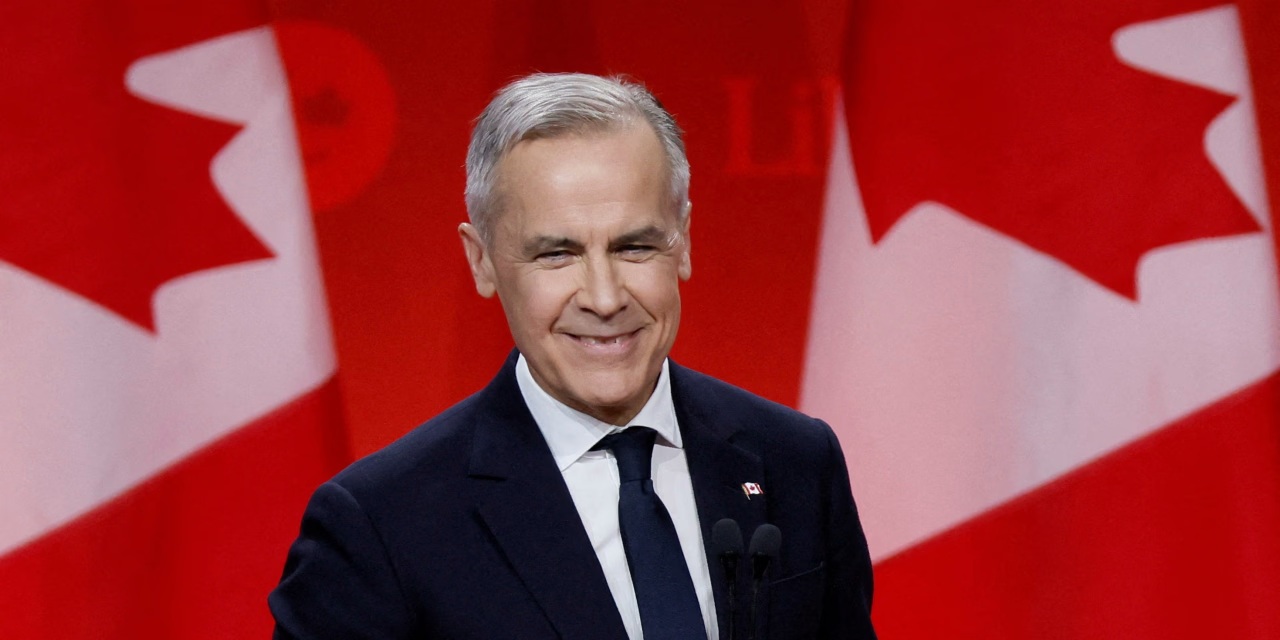
Canadian Prime Minister Mark Carney has made clear that Ottawa is not prepared to return to the negotiating table simply for the sake of reaching an agreement. Instead, he says Washington must adopt a more serious and respectful approach before meaningful discussions can resume.
The latest rupture came after negotiations collapsed on August 21, when Canada rejected what Carney described as unacceptable last-minute U.S. demands.
The dispute has since moved beyond conventional tariff negotiations and into a broader confrontation over economic sovereignty, industrial policy and the political relationship between two historically close allies.
Register for the next Tekedia Mini-MBA.
Register for Tekedia AI in Business Masterclass.
Join Tekedia Capital Syndicate and co-invest in great global startups.
At the center of Canada’s concerns is the future of its manufacturing sector, particularly the automotive industry. Canadian officials argue that some of Washington’s proposals could weaken Canada’s domestic industrial base and effectively turn important Canadian industries into extensions of the U.S. economy.
Canada’s ambassador to Washington has emphasized that any eventual agreement must preserve a viable Canadian auto assembly and parts industry.
Washington, sees the situation differently. U.S. officials have argued that Canada walked away from favorable terms and have challenged Ottawa’s characterization of the negotiations.
That disagreement has created a fundamental problem: both sides appear to believe that the other is responsible for the collapse, making compromise considerably harder. The conflict has also become unusually personal and theatrical.

Carney has criticized Washington’s public messaging, including social-media attacks and provocative political statements. He has urged the U.S. administration to stop using memes, insults and performative rhetoric and instead return to conventional diplomacy.
That distinction matters because trade negotiations depend heavily on trust. Even when governments disagree over tariffs, subsidies or market access, negotiators need confidence that agreements will be respected and that political leaders are negotiating toward a practical outcome.
Repeated public provocations can make that confidence more difficult to rebuild. The economic consequences could extend well beyond government offices. Canada and the United States operate deeply integrated supply chains, particularly in automobiles, energy, manufacturing and agriculture.

Higher tariffs and prolonged uncertainty can increase costs for businesses, disrupt investment decisions and ultimately filter through to consumers on both sides of the border.
Canada has already demonstrated that it is willing to retaliate. Following the U.S. imposition of 50% tariffs on $20 billion of Canadian exports, Ottawa announced equivalent retaliatory measures scheduled to take effect September 8.
Yet neither country has a clear economic interest in allowing the confrontation to become permanent. The United States remains Canada’s dominant trading partner, while Canadian resources, manufacturing capacity and integrated supply chains are valuable to American businesses.
A prolonged trade war therefore risks creating economic damage without necessarily producing a decisive winner. Carney’s position represents a broader shift in Canada’s strategy. Rather than accepting U.S. pressure as the price of maintaining close economic ties.
Ottawa is increasingly emphasizing diversification, national resilience and the protection of Canadian sovereignty. The immediate future of negotiations therefore depends less on another technical tariff proposal than on whether Washington and Ottawa can restore a basic level of diplomatic trust.
Carney has left the door open to a deal, but the message is clear: Canada is prepared to negotiate, not capitulate. For markets and businesses, that distinction is becoming increasingly important.
Until Washington and Ottawa move from confrontation back toward serious bargaining, uncertainty will remain a defining feature of North American trade.