

The fragile balance of power in the Middle East was shaken once again as tensions between the United States and Iran erupted into a dangerous confrontation in and around the Strait of Hormuz, one of the world’s most strategically vital waterways.
Reports that U.S. naval forces intercepted Iranian attacks targeting American Navy cruisers, combined with Iran’s seizure of an oil tanker, sent shockwaves through global financial markets and reignited fears of a broader regional conflict.
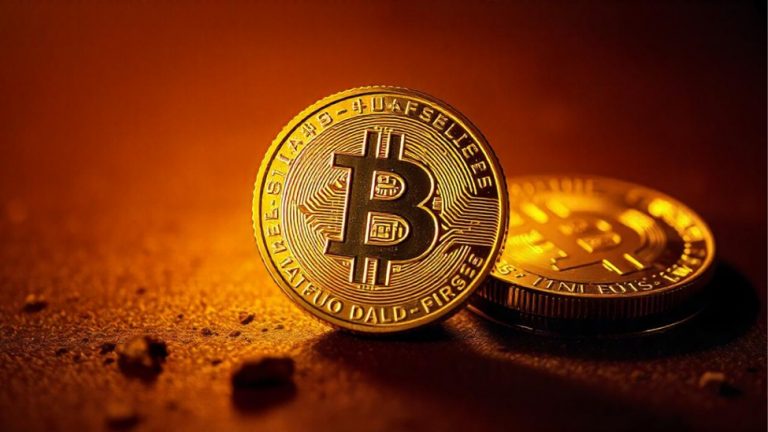
The geopolitical escalation immediately spilled into the cryptocurrency market, where Bitcoin briefly plunged below the psychologically important $80,000 level before rebounding as traders attempted to assess the long-term implications of the crisis.
According to U.S. military officials, Iranian forces launched coordinated attacks involving missiles, drones, and fast attack boats aimed at American naval vessels operating near the Strait of Hormuz. U.S. Central Command stated that the attacks were intercepted successfully and that no American ships were damaged.
Register for the next Tekedia Mini-MBA.
Register for Tekedia AI in Business Masterclass.
Join Tekedia Capital Syndicate and co-invest in great global startups.
In response, the United States reportedly carried out retaliatory strikes against Iranian military infrastructure connected to the operation. Iran, however, presented a different narrative. Iranian state media claimed that American naval units came under missile fire after U.S. operations targeted an Iranian-linked tanker.
Tehran accused Washington of violating ceasefire understandings and escalating military pressure in the region. The competing claims reflected the increasingly volatile information war accompanying the physical conflict, where both sides attempt to shape international perception while avoiding a full-scale war.
The Strait of Hormuz remains the center of global concern because nearly one-fifth of the world’s oil supply passes through the narrow maritime corridor. Any disruption in the region has immediate consequences for energy markets, shipping routes, and inflation expectations worldwide. Iran’s seizure of a sanctioned oil tanker in the Gulf of Oman further intensified fears that the conflict could evolve into a wider campaign targeting global energy infrastructure.
Iran has used tanker seizures and maritime pressure tactics as leverage against Western sanctions and military operations. Yet the latest escalation appears more dangerous because it comes amid an already fragile geopolitical environment involving Israel, Gulf states, and growing military deployments in the region. Oil traders immediately reacted to the developments by pushing crude prices higher, reflecting fears that prolonged instability could disrupt supply chains and drive energy costs sharply upward.
Financial markets also responded swiftly. Bitcoin, which has increasingly traded as both a speculative asset and a macroeconomic hedge, briefly fell below $80,000 as investors rushed to reduce risk exposure. Reports indicated that Bitcoin dropped to roughly $79,500 before recovering as traders reassessed the situation.

The decline illustrated how cryptocurrencies, despite their reputation as alternatives to traditional finance, remain highly sensitive to geopolitical uncertainty and shifts in investor sentiment. The selloff revealed a recurring pattern in modern financial markets. During moments of sudden geopolitical stress, investors initially flee from volatile assets, including cryptocurrencies, and move toward safer instruments such as U.S. Treasuries, gold, or cash.
Bitcoin’s rebound afterward demonstrated that many market participants still view digital assets as valuable long-term hedges against instability, inflation, and monetary disruption. The quick recovery also reflected the growing maturity of the crypto market, where institutional investors now play a larger role in stabilizing price action after sharp declines.
Beyond the immediate market reaction, the confrontation highlights the increasingly interconnected nature of geopolitics, energy security, and digital finance. A military clash in the Strait of Hormuz can now influence oil prices, inflation expectations, equity markets, and cryptocurrencies within minutes. In an era of algorithmic trading and globally integrated capital flows, geopolitical risk no longer remains confined to regional politics.

The coming weeks will likely determine whether the latest confrontation becomes another short-lived flashpoint or the beginning of a broader regional escalation. Diplomatic channels remain active, but the situation remains extremely fragile. The events in the Strait of Hormuz serve as a reminder that geopolitical stability remains one of the most important foundations of the global economy.