

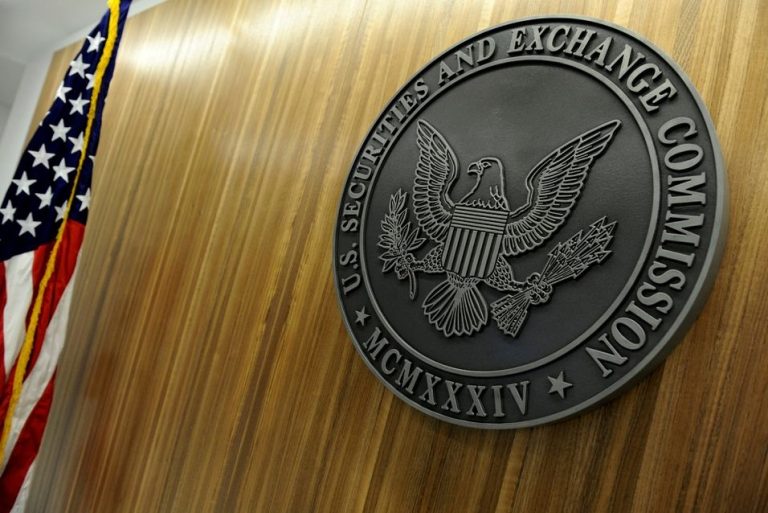
The U.S. Securities and Exchange Commission (SEC) has launched a probe into Jefferies’ involvement with the bankrupt auto parts manufacturer First Brands Group, the Financial Times reported Thursday.
The investigation, which is still in its early stages, is focused on whether Jefferies provided investors with sufficient disclosure regarding the Point Bonita fund’s exposure to First Brands’ debt, and whether internal controls at the bank were adequate to prevent conflicts of interest.
An SEC spokesperson, consistent with standard protocol, declined to comment on the existence or nonexistence of a possible investigation. But sources told the Financial Times that it remains unclear whether the probe will lead to formal allegations of wrongdoing.
Register for Tekedia Mini-MBA edition 20 (June 8 – Sept 5, 2026).
Register for Tekedia AI in Business Masterclass.
Join Tekedia Capital Syndicate and co-invest in great global startups.
Register for Tekedia AI Lab.
First Brands’ Debt Web
First Brands Group, a significant supplier in the automotive sector, financed its operations through a highly leveraged and complex debt structure. The company relied on a mix of senior secured loans, subordinated notes, and high-yield credit facilities. Its capital stack included multiple layers of collateralized obligations, intercompany loans, and guarantees between subsidiaries, which created substantial opacity for investors and lenders.
In mid-2024, First Brands began experiencing cash flow pressures due to a combination of supply chain disruptions and lower-than-expected revenue from key auto clients. These operational issues, combined with a debt maturity schedule heavily concentrated in late 2024 and early 2025, triggered cascading defaults across several debt tranches. Senior secured lenders were partially repaid from collateral liquidation, but subordinated noteholders and other unsecured creditors suffered significant losses.
Jefferies’ Point Bonita fund had invested heavily in these instruments, particularly the subordinated and high-yield notes. Market analysts note that the fund’s exposure to these high-risk tranches may not have been fully appreciated by investors, raising questions about whether the bank adequately communicated the intricacies and vulnerabilities of First Brands’ debt structure.

Timeline of Key Events
- Early 2024: Jefferies initiates exposure to First Brands’ debt via Point Bonita fund.
- Mid-2024: First Brands begins to experience operational strain; early signs of missed payments emerge.
- July 2024: Investors report concerns regarding the fund’s exposure, as market rumors about First Brands’ debt struggles circulate.
- Late 2024: Multiple debt tranches begin defaulting; Jefferies’ fund faces significant mark-to-market losses.
- Early 2025: First Brands officially files for bankruptcy; Jefferies and other creditors attempt to recover collateral and restructure remaining debt.
- November 2025: SEC begins inquiry into Jefferies’ disclosures and internal controls related to Point Bonita fund exposure.
Market Impact and Investor Concerns
The collapse of First Brands has reverberated across the auto parts sector and the broader high-yield lending market. Investors are increasingly cautious about complex, layered debt structures that obscure true exposure, particularly when market conditions tighten or operational risks materialize. Jefferies’ share price has suffered, dropping over 12 percent this quarter and 27 percent year-to-date, reflecting heightened investor apprehension.
Analysts suggest that the SEC’s inquiry could have broader implications for hedge funds and asset managers invested in highly leveraged corporate borrowers. It may prompt heightened scrutiny of disclosure practices, especially for funds holding complex or opaque debt instruments. The outcome could influence market perceptions of risk and governance standards, particularly in the high-yield credit space.
While the investigation is still preliminary, Jefferies faces potential reputational and regulatory risks. The SEC’s inquiry may also influence broader regulatory thinking on how banks and investment funds manage and communicate risks associated with highly structured corporate debt, with potential repercussions across Wall Street’s high-yield and structured finance markets.
