

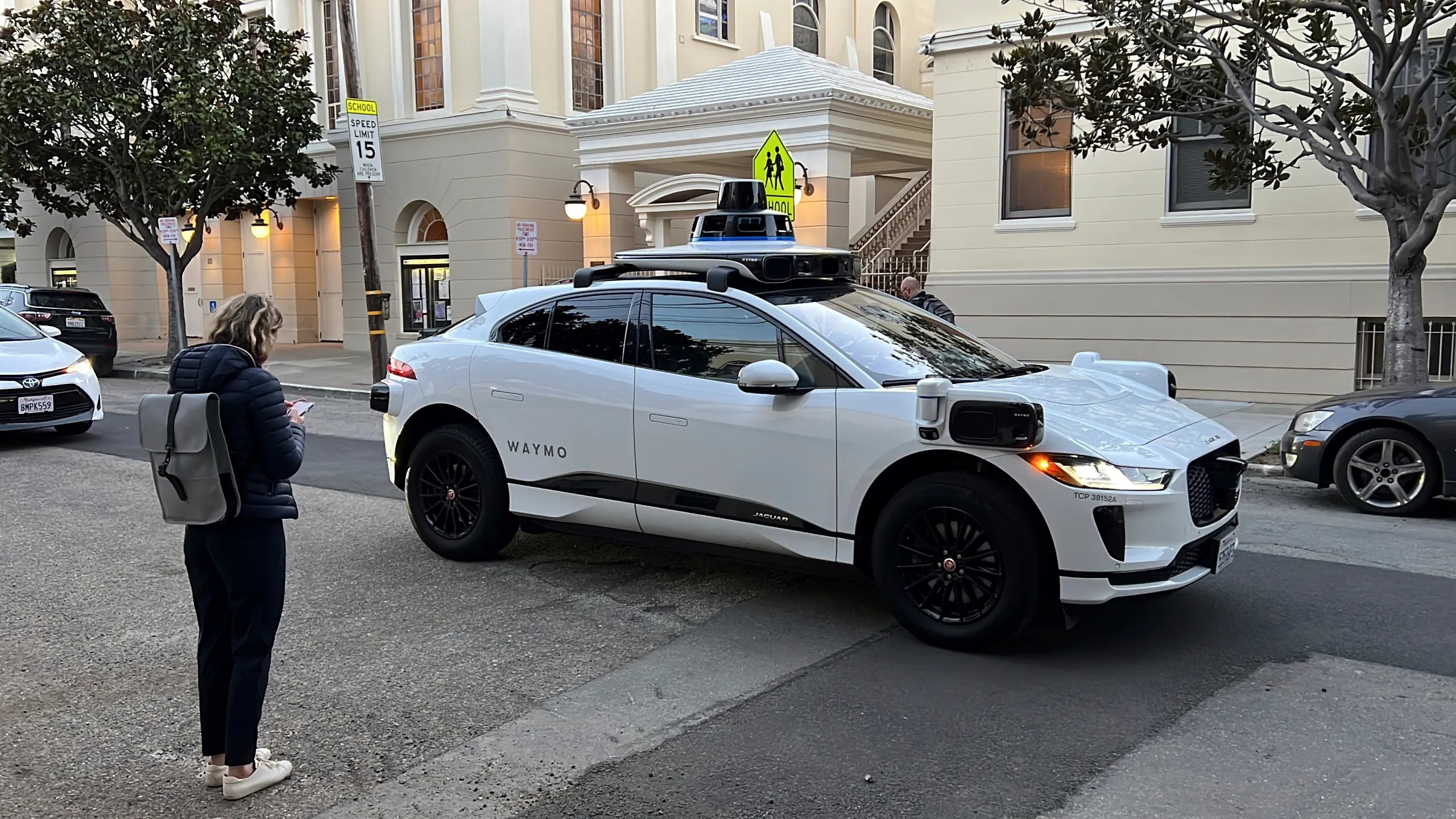
Waymo and Uber have ended their robotaxi partnership in Phoenix, Arizona, bringing to a close the companies’ first autonomous ride-hailing pilot as competition intensifies among technology firms, automakers and ride-hailing platforms seeking to dominate the emerging self-driving transportation market.
While both companies described the pilot as a success that helped shape broader deployments elsewhere, the move also highlights how rapidly the robotaxi landscape is evolving, with companies increasingly pursuing multiple distribution channels instead of relying exclusively on a single ride-hailing platform.
The conclusion of the Phoenix programme also raises fresh questions about Uber’s long-term strategy of positioning itself as the central marketplace for autonomous vehicle operators as rivals increasingly build their own consumer ecosystems.
Register for the next Tekedia Mini-MBA.
Register for Tekedia AI in Business Masterclass.
Join Tekedia Capital Syndicate and co-invest in great global startups.
Uber confirmed Monday that Waymo robotaxi rides are no longer available through its app in Phoenix.
“Phoenix was our first pilot market with Waymo and was an intentionally limited deployment, reaching just over a dozen vehicles dedicated to the program,” Uber said in a statement.
“We learned a lot from that collaboration, which helped us to quickly scale Austin and Atlanta, where hundreds of Waymo AVs are available exclusively on Uber and our coverage area continues to expand.”

The pilot, which industry researcher Grayson Brulte, founder of Autmny AI, noted had quietly concluded about a month ago, served as a testing ground for integrating Waymo’s autonomous driving technology into Uber’s ride-hailing platform before the companies expanded the partnership into larger markets.
Austin And Atlanta Remain Exclusive
Despite ending the Phoenix programme, the partnership between the two companies remains significant. Waymo currently offers autonomous passenger rides exclusively through Uber in Austin, Texas, and Atlanta, Georgia, where hundreds of robotaxis are already operating.
Uber has indicated that service areas in both cities will continue expanding.

Meanwhile, Waymo operates approximately 4,000 autonomous vehicles across the United States, making it by far the largest commercial robotaxi operator in the country.
Outside Austin and Atlanta, however, Waymo largely continues to rely on its own mobile application. Its driverless passenger services are available primarily through the Waymo One app in nine other cities, supplemented by a limited number of public transit partnerships.
Rather than deepening its dependence on Uber, Waymo appears to be broadening its commercial strategy. The autonomous vehicles previously assigned to Uber’s Phoenix pilot will remain in service, but instead will support autonomous deliveries through DoorDash, expanding Waymo’s presence beyond passenger transportation into logistics.
The company is also preparing another major partnership. Later this year, Waymo plans to launch robotaxi services in Nashville through Lyft, marking another high-profile collaboration that will not carry exclusivity provisions. Waymo said the Phoenix initiative with Uber “was a productive pilot that paved the way for future expansions and partnerships across the globe.”
The move underpins Waymo’s willingness to distribute its autonomous services across multiple platforms while maintaining direct relationships with customers through its own application.
Uber Bets On Becoming The Robotaxi Marketplace
For Uber, the end of the Phoenix pilot comes as the company continues promoting itself as the preferred marketplace for autonomous mobility providers. Chief Executive Dara Khosrowshahi has repeatedly argued that robotaxi developers will ultimately need Uber’s global user base and dispatch platform to efficiently match autonomous vehicles with riders.
The company has signed agreements with nearly every major autonomous vehicle developer, including Waymo, Amazon-owned Zoox, Rivian, Pony.ai, and Verne. Notably absent from Uber’s partner list is Tesla, which continues building its own vertically integrated robotaxi platform.
During Uber’s first-quarter earnings call, Khosrowshahi said: “AV Mobility trips on Uber increased more than 10x year over year, and we are now live in eight cities, with plans to expand to up to 15 by year-end.”
Uber also confirmed Monday that it intends to partner with another autonomous vehicle company in Phoenix, although it declined to identify the operator.
The U.S. robotaxi market has become increasingly crowded. Tesla is currently operating a highly limited robotaxi service in Texas using 69 registered automated vehicles, while continuing to pursue CEO Elon Musk’s ambition of deploying millions of autonomous vehicles. The electric vehicle maker has also obtained permits in Arizona allowing it to operate a ride-hailing service and conduct autonomous vehicle testing with human safety drivers.
Meanwhile, Amazon-owned Zoox announced in March that it intends to begin testing autonomous ride-hailing services in Phoenix this year as part of its broader commercial rollout.
The competition has also extended beyond U.S. companies. Chinese autonomous driving developer Pony.ai, Croatian autonomous mobility startup Verne, and several other international firms are also expanding partnerships with ride-hailing platforms as commercial deployments accelerate globally.
But safety remains under scrutiny as crashes increasingly mark ongoing tests.
Waymo, although it remains in its leadership position, has recently issued two voluntary software recalls, including one designed to address incidents in which Waymo robotaxis entered freeway construction zones in Phoenix.
However, the end of the Phoenix pilot reflects more than the conclusion of a small-scale deployment involving just over a dozen vehicles. Analysts see it as a sign of the transition of the U.S. robotaxi industry from experimental pilots to broader commercial expansion.